
Tomatoes are a staple in every kitchen, used in various dishes such as curries and salads. However, what people fail to take into consideration is the way in which they wash their tomatoes. While washing them in tap water may remove the dirt, it does nothing for the pesticides that stick to the surface of the tomato. This is because tomatoes are a delicate fruit, and as such, the pesticides are able to stick to them and, in some instances, penetrate the surface.During certain seasons, pests are a problem, and as such, farmers end up using a lot of pesticides on their crops. This, in turn, leads to the possibility of pesticides being on the fruits by the time they get into the kitchen.
Remove pesticides from tomatoes: Why plain water is not enough
Water can remove dust and loose particles, but cannot effectively dissolve or remove chemical residues. The smooth surface texture of tomatoes makes it difficult for pesticides to be easily washed away with just plain water. In fact, washing with just plain water may create a false impression that tomatoes are clean when, in reality, they are not.
The saltwater method works better
PC: AI-Generated
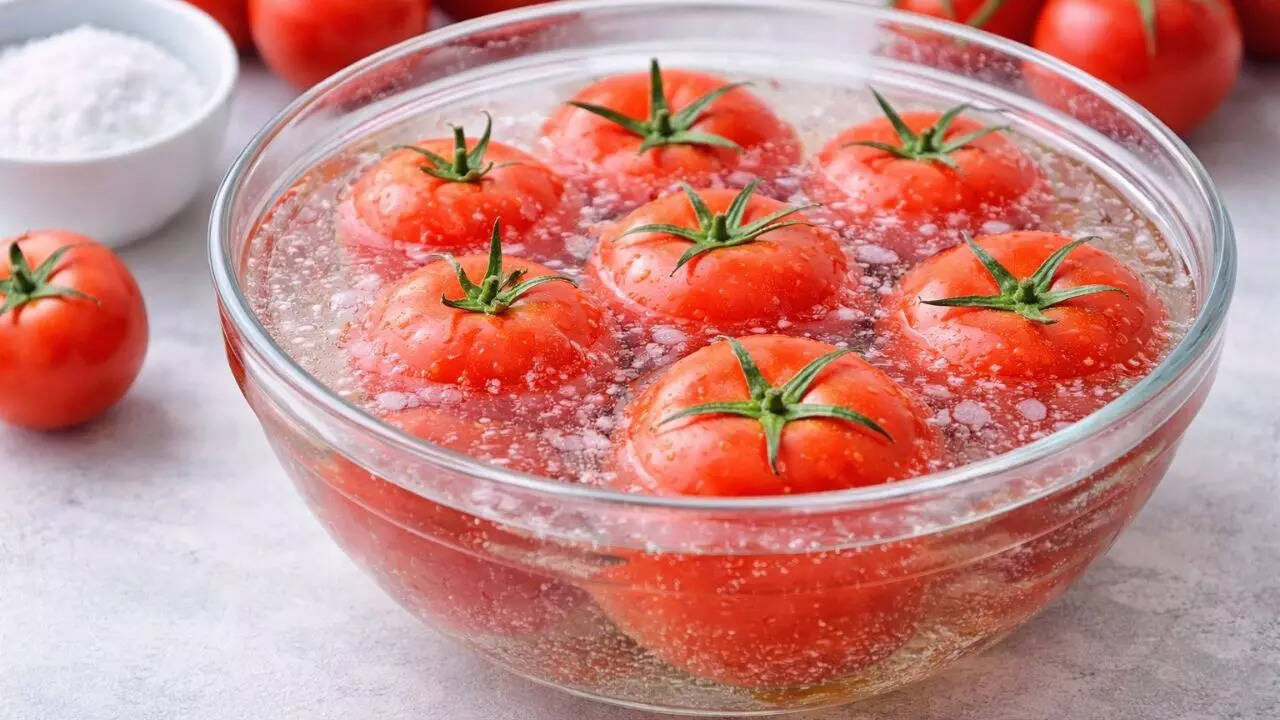
A better way of cleaning the tomatoes is by using a saltwater solution. This method is effective in loosening the pesticide residues and surface contaminants on the tomatoes.To make the cleaning solution, take a teaspoon of salt and mix it in a litre of water. Then, soak the tomatoes in the solution, ensuring that the tomatoes are fully submerged in it. This should be done for around 15-20 minutes, as this will allow the salt to work on the surface, breaking down the residues stuck on the skin.
What to do after soaking
PC: Canva
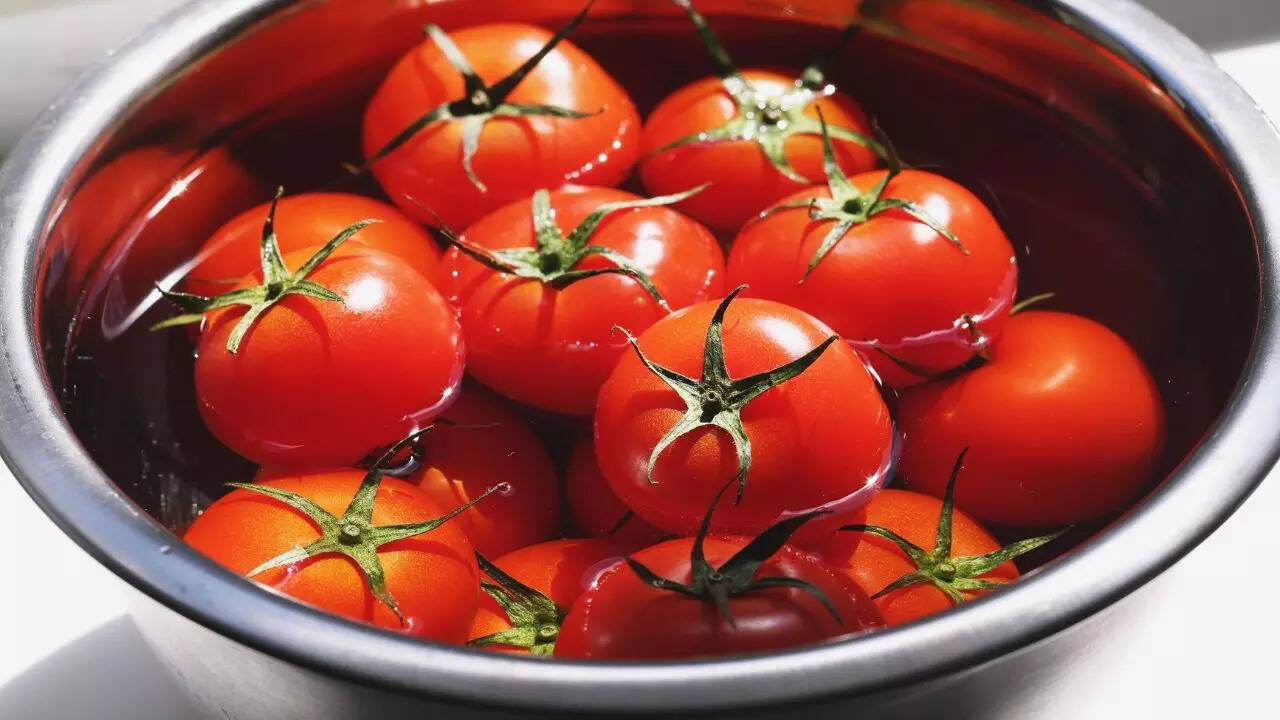
Once the soaking has been completed, the tomatoes are then removed and rinsed under running water. While rinsing, the surface of the tomatoes is rubbed gently in order to remove any dirt that might be on the surface. This is then followed by drying the tomatoes using a cloth or kitchen towel before cooking.This step ensures that the tomatoes are not only clean but also safe for cooking.
Important precautions to keep in mind
The timing of washing tomatoes should always be considered. It is important to wash tomatoes before use and not before storage. This will help to prevent moisture, which may cause them to go bad.It should be noted that soaking tomatoes for long hours may cause them to become too soft. In cases where tomatoes are spoiled, it is recommended to peel them before use.In addition to washing tomatoes, one may choose to blanch them in hot water to peel the skin before use, especially for those who prefer to take precautions.
What this method can and cannot do
Though the salt water method is effective in removing pesticide residues on the surface, it is also important to understand the limitations of the salt water method. If the chemicals have already seeped into the inner layers of the tomato, the saltwater method may not be able to completely remove the chemicals.Though this method may not be as effective as the simple water rinse, it does provide an improvement over the simple water rinse in terms of cleanliness and the removal of harmful chemicals.
A small change for safer food
This simple practice may help make a difference in your daily food safety without any special ingredients or effort, as it helps ensure that the food you eat is clean and healthy.Sometimes, even minor changes in your daily habits, like the way you wash your vegetables, may help make a difference in your well-being.