
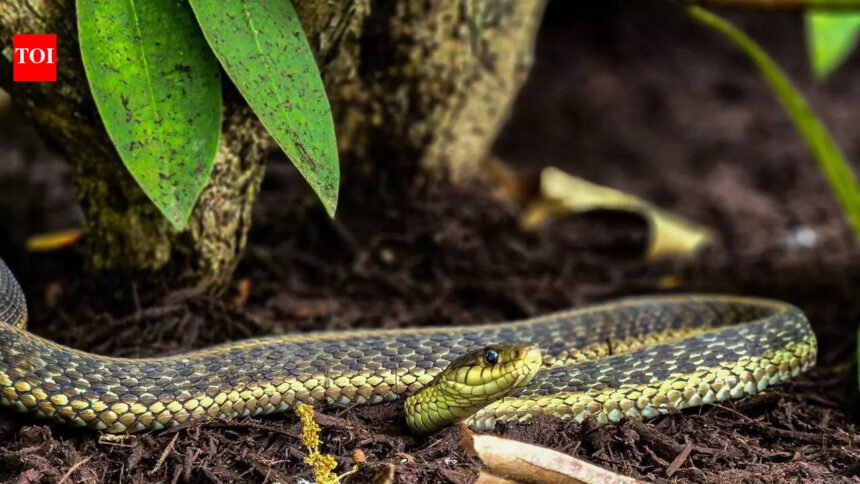

Many people enjoy spending time in their gardens, whether it is watering plants, growing flowers, or simply sitting outdoors. A garden is a place where you can feel safe and at peace. But some plants and landscaping choices can quietly change how animals use that space. People have been talking about garden safety a lot lately, and one shrub that is often planted may make conditions that snakes like without meaning to. People are worried that the plant doesn’t directly attract snakes, but that its shape can give them shade, shelter, and places to hide. These things can make a garden more snake-friendly, especially in warm places. Homeowners can make better choices if they know how snakes choose places to rest and how garden plants affect their movement. Here you get to know which plant is involved, why snakes are drawn to certain garden environments, and what scientific research says about snake habitat preferences.
Oleander: One of the plants that attracts snakes to your garden
Oleander is a popular ornamental shrub grown in many regions because it is hardy, drought-tolerant, and produces flowers for long periods. A lot of the time, it gets thick and dense, with leaves close to the ground. This way of growing can make the area under the plant cool and shady.Plants aren’t food for snakes, and they don’t like oleander. Instead, its thick cover can protect you from the elements. Snakes use these kinds of places to hide from predators, stay cool, and rest when it’s hot outside.
Why snakes look for dense vegetation
Snakes are ectothermic, which means that they rely on their surroundings to keep their body temperature stable. The Journal of Thermal Biology published a study using radiotelemetry on free-living snakes. The study found that snakes move between shaded areas and open areas during the day to stay cool and keep their body temperatures stable, especially when it’s hot.Vegetation that blocks sunlight and stays close to the ground helps create stable temperatures. Dense shrubs also protect birds and other predators. Research on reptile ecology indicates that snakes are more inclined to inhabit regions where they perceive concealment rather than exposure.
Scientific research on snake habitat selection
Studies in science show that snakes choose places to live based on things like shelter, shade, and ground cover, not the presence of certain types of plants.As per the study ‘Shelter Site Selection and Fidelity in Snakes’, which was published in Herpetological Conservation and Biology, found that snakes often went back to places with rocks, thick plants, and cover at ground level. People used these places to rest and cool down. Snakes didn’t like open and exposed ground very much, which shows that structural cover is an important factor in their habitat choice.Another study published in Landscape Ecology and called “Influence of vegetation structure on reptile movement in restored grasslands,” looked at how reptiles move through environments that have been changed. The researchers discovered that vegetation characteristics, including height, thickness, and ground cover, had a greater impact on snake presence than the specific plant species. More snakes were seen in places with layered or cluttered plants than in places that were clear and open.The study “Landscape Configuration Predicts Snake Occurrence in Agricultural Ecosystems,” published in Conservation Science and Practice, reported similar findings. This large-scale study found that the amount of woody cover, the density of vegetation, and the layout of the habitat were all good indicators of where snakes were likely to be. However, the presence of individual plant species did not have an effect on snake activity.Together, these studies explain why dense shrubs and thick ground cover can increase the likelihood of snakes using a garden area. The plants do not attract snakes directly. Instead, they create environmental conditions that snakes naturally prefer for shelter and temperature control.
How garden design affects snake movement
Dense shrubs, piles of leaves, stacked wood, or stone features in gardens often make microhabitats that snakes can use to hide. Studies on how reptiles move show that snakes usually go through connected shaded areas instead of crossing open spaces.When planted close together or near walls, oleander bushes can make shaded areas that are always there. This can make it easier for snakes to move through a garden without being seen.
Common misunderstandings about snake-attracting plants
Some people think that certain plants can repel or attract snakes by sending out smells or chemicals. This idea is not backed up by scientific research. Snakes rely more on environmental conditions than plant chemistry.According to Copeia, a peer-reviewed journal on herpetology, snakes respond primarily to temperature, shelter, and prey availability. Plants matter only because they shape those conditions.
Steps that can reduce snake-friendly conditions in garden
Research-based wildlife management guidance suggests that reducing ground-level cover can lower the chance of snakes lingering in gardens. This includes trimming shrubs so that space is visible underneath, removing leaf litter, and avoiding dense plant clusters near entrances.Studies on habitat modification show that open, well-maintained landscapes offer fewer resting options for snakes, encouraging them to move on rather than stay.