

Farewell to all the slick presentations that are part of board meetings! The idea for Dropbox wasn’t born from an inspirational business presentation; rather, it began from an everyday problem faced by many people. In 2007, Drew Houston, a graduate from MIT, was travelling from Boston to New York via bus when he needed to complete some work on the journey.In those days, there was no cloud. Without the little plastic stick, your belongings seemed to exist at some distant place. Trapped inside the bus for hours with a laptop and without any Internet access, Houston did not just stare out the window. Instead, he started writing code for a system that would connect him with his files wherever on the web. He had had enough of carrying that thumb drive around, and this situation, where he was unprepared, made him think of creating a service that would eventually migrate storage from our pockets to the web.Converting a petty complaint into a global normHouston’s idea was not based on a new, groundbreaking physics concept. The magic lies in his solution for an everyday problem that plagues us all. Until then, syncing meant sending files via email or maintaining different copies on various drives. According to MIT Sloan’s article on How Dropbox CEO Drew Houston stays motivated by solving problems that matter, the spark was a personal experience in which he realised the necessity of removing barriers in daily work life. What he sought was “invisible” access to his files, irrespective of the computer.The transition from a frustrated coder on a bus to a tech founder happened with remarkable speed. As noted in an article by MIT News titled From startup to 12 billion: Seven lessons from Dropbox, the company was officially co-founded in June 2007. Houston and his co-founder, Arash Ferdowsi, took a simple demo to the startup accelerator Y Combinator. They weren’t trying to build the most sophisticated platform in existence; they were just trying to make it so that no one ever had to feel that “lost drive” panic again.
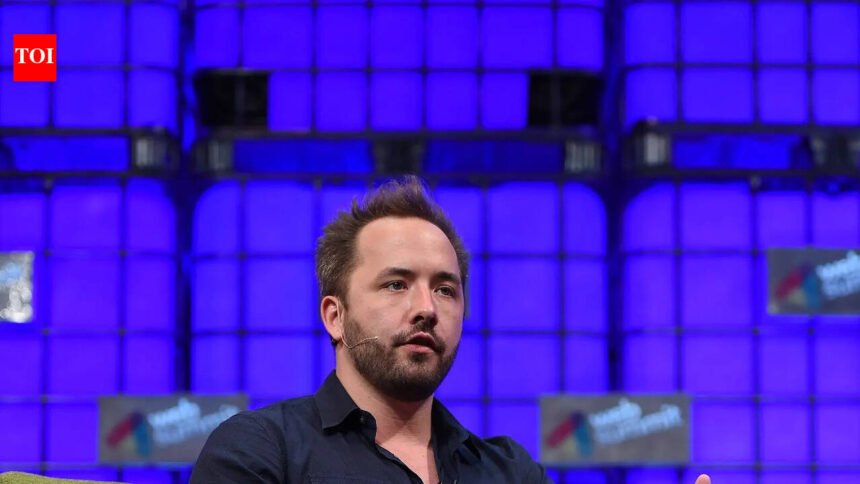
He envisioned a system to connect with files online. This simple solution transformed storage from pockets to the web. Dropbox became a global norm by addressing a basic human need for accessible documents. Image Credits: TechCrunch, via Wikimedia Commons
In the end, it comes down to that basic problem that it all started with. While everyone else was developing overly complicated cloud operating systems, Dropbox came up with something remarkably simple by offering you one cloud-based folder on all of your devices. By solving his own problem, Houston stumbled upon a bigger issue, which was the never-ending hassle with moving data through USB sticks.Why solving real problems is importantThe example of the Dropbox founder illustrates that sometimes a breakthrough solution appears right out of necessity. There is no need to come up with an idea of changing the world; sometimes, just spotting a problem and offering a quick fix does the trick.Today, it is almost impossible to imagine a world where your photos and documents aren’t instantly available on your phone and laptop. But in 2007, that was a radical shift in thinking. The “bus story” endures because it anchors a multi-billion-dollar company in a very human moment of failure. It wasn’t a market research study that created Dropbox; it was a guy who forgot his stuff and decided he never wanted it to happen again.The firm starts from a basic human reality: people have genuine issues. Sticking to simplicity and its roots – “I simply want my documents” – the product became the world benchmark for getting things done. The example proves that one lost USB drive could change everything, provided that the leader was determined to improve things for everybody.