
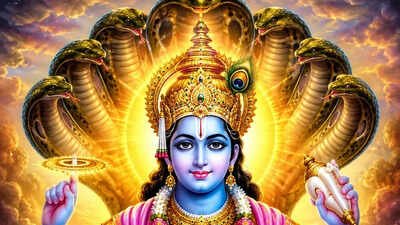

In many homes, the question arrives before sunrise and before tea. Is this a nirjala fast, waterless, or can we keep phalahar, a fruit-based fast? Does Dwadashi, the twelfth lunar day, break early where we live? Why does one calendar show June 11, whereas a relative insists on a date that is different? Parama Ekadashi usually reaches families in this manner and not as a purely abstract event, but as a conversation that can be shared through rooms, temples as well as family WhatsApp threads.
Quick details for readers
Date: Adhik Jyeshtha Krishna Ekadashi for New Delhi Observed as: Parama Ekadashi Best reader action: check local panchang if outside IndiaParana, the ritual breaking of the fast, is commonly listed for New Delhi on the morning of June 12, with one Smarta/general window from about 5:23 AM to 8:10 AM; Vaishnava or temple calendars may give a different window. Still, this is where Ekadashi always asks for care, not haste. Local sunrise, tithi, and Hari Vasara, traditionally understood as the first quarter of Dwadashi Tithi during which parana is avoided, all matter. If you’re outside India, don’t copy a Delhi timing blindly.
Why this Ekadashi feels different in an Adhik month
Parama Ekadashi occurs in Adhik Maas, an extra lunar month inserted when a lunar month passes without a solar saṅkrānti, helping reconcile the lunar-month system with the solar year. In many customs this month is seen as a perfect time for japa and mantra recitation, daan charity, vrata, holy observances, and quiet inward work. This is the reason why both Adhik Maas Ekadashis, Padmini in the bright fortnight and Parama in the dark fortnight, have particular importance in the popular practice.Purana-based retellings typically connect Parama Ekadashi to relief from hardship, and with the grace that comes from sincere vrata instead of display. Some retellings present the vrata through a dialogue in which Shri Krishna explains its virtues to Yudhishthira. The language varies from one source to the next, however the emotional core remains familiar. It is an Ekadashi to those who are exhausted, weighed down or stressed, and still choose to follow a strict regimen, Nama-smarana, remembering the divine name and a simple act of worship.
What families actually do from morning to night
In reality, the majority of observant households begin their vrata the previous night by eating a light meal and avoiding beans, grains and other heavy meals. On Ekadashi morning devotees shower early and clean up the puja area and then make a Sankalpa or a verbal resolution to fast. Vishnu worship is a central part of. In many homes, images of Shri Hari, Lakshmi-Narayana, or, where family tradition permits, Shaligrama Shila are worshipped with tulsi, flowers, incense, and a diya.The day is generally quieter than other major festivals. There isn’t a single pan-Indian show. Instead there is recitation of Vishnu Sahasranama, the thousand names of Vishnu as well as reading of Ekadashi Katha, and recurrent singing of “Om Namo Bhagavate Vasudevaya” or “Om Namo Narayanaya.” In temple-goers’ households, evening rituals could include darshan, a sacred worship of the god and the offering of a small amount of fruit or Ekadashi-approved meals. Some people stay awake for a portion of the night to attend the jagaran, or vigil of devotion particularly within Vaishnava homes.
The food question that comes up every single time
This is where regional custom matters as much as scripture. The broad Ekadashi rule across much of India is to avoid anna, grain-based food, and in many traditions also avoid beans and pulses. Beyond that, family practice differs.In North India, many keep the phalahar fast, which includes milk, fruits curd, makhana peanuts, fox nuts sweet potato, potato the sama ke Chawal, barnyard millet, singhara flour or kuttu as well as buckwheat or water chestnut flour based on what is acceptable to the household. In some parts of Maharashtra and Gujarat, tapioca pearls and sabudana recipes are common, even though certain stricter homes prefer less cooked food items and more fruits and milk. In South India, especially among Smarta and Vaishnava families the emphasis could be more or less “vrat snack foods” and more on simple sattvic, a pure and restrained and observance, or an upavasa that is more strict, such as fasting, with fruits milk, or just water.The truthful answer to questions such as ‘Is sabudana permissible?’ or ‘Can we use sendha namak, or rock salt?’ is this: usually yes within many household Ekadashi practices, but always follow your sampradaya, family lineage, or devotional tradition first. If your home has always kept a stricter fast, Parama Ekadashi is not the day to improvise because the internet said potato chips made from vrat flour are acceptable.
Not every fast has to look the same
The fasting method also varies by health, age, and spiritual discipline. A full fast without food is observed by some. A water-only fast is kept by fewer. A fruit-and-milk fast is the most common practical form for many working devotees. The old principle is simple and humane. A vrata should be sincere, not reckless.Children, older people pregnant women, those who are sick and those who are taking regular medication shouldn’t be forced to go on a strict fast. They may be able to keep the day by eating sattvic along with prayer, charity, and abstention from grains. Many teachers and family priests advise that if health does not permit fasting, then keep the bhava, the devotional intention. Read the katha. Offer tulsi. Chant the name of Vishnu. Eat what is medically necessary without guilt.
Where regional calendars create confusion
Ekadashi observership is linked to sunrise tithi and that’s why the dates may differ between regions and countries. A Delhi panchang might include Parama Ekadashi in 2026 on June 11, whereas diaspora calendars may show an alternative local observance based on the time when Ekadashi Tithi is observed at sunrise. Some online sources can cause confusion by combining Padmini and Parama or by placing Parama in a wrong paksha or fortnight.For this article, the working reference is clear: Adhik Jyeshtha Krishna Ekadashi, observed as Parama Ekadashi, on June 11, 2026 for New Delhi. So if you’re in London, New Jersey, Singapore, or Sydney, check a panchang built for your city. This isn’t nitpicking. It affects both the vrat day and the parana window.
The mistake people make on Dwadashi morning
Breaking the fast late is one common error. Breaking it too early is another. Parana should be done on Dwadashi after the proper time begins and after Hari Vasara has passed. For 2026, one reported parana window is June 12 from 5:23 am to 8:10 am, but use your local panchang for the exact timing where you are. If Dwadashi ends early in your location, the safe window can be shorter than people expect.Traditionally the fast is broken with a simple meal, typically fruit, water or some light sattvic food and then grain is reinstated in accordance with family tradition after a proper parana. Many devotees give food offerings to Bhagavan who is the Lord and then eat. If you’ve adhered to the stricter fast, do not break it by eating a large food item that is fried. The body notices.
The small family questions that never sound small
Can you do office work while observing Parama Ekadashi? Of course. Most people do. The vrata asks for restraint and remembrance, not social withdrawal.Can you cook for others if you are fasting? Yes, in many homes that is unavoidable, though some prefer to finish regular cooking early and keep the kitchen simple for the day.Can menstruating women observe it? Practices differ by family, region, and sampradaya. Many women continue the vrata through prayer, nama-japa, and dietary discipline, while some families avoid formal altar worship during this time. The gentlest and most respectful answer is to follow family practice without turning the day into an argument. Should one hear the katha if one cannot fast? Yes. That is very common. Ekadashi is not only about what leaves the plate. It is also about what enters the mind.
What Parama Ekadashi asks for, beneath the rules
The word upavasa is often explained not just as fasting but as “staying near” the divine. That is why Parama Ekadashi still matters even when the details vary from Kashmir to Kanyakumari, from a temple town in Tamil Nadu to an apartment block in Noida. One family may keep nirjala. Another may eat fruit twice. A third may simply avoid grain, recite Vishnu Sahasranama, and feed someone in need. The outer form changes. The inner act is the same.If you’re observing on June 11, keep the day lighter than usual. Check your local parana for June 12 before you sleep. Set aside tulsi, a clean diya, and a few unhurried minutes before the house gets noisy. At dawn, when the steel lota catches the first light and the mantra begins under the breath, Parama Ekadashi stops being a date on a calendar and becomes what it was always meant to be, a pause that cleans the heart a little.