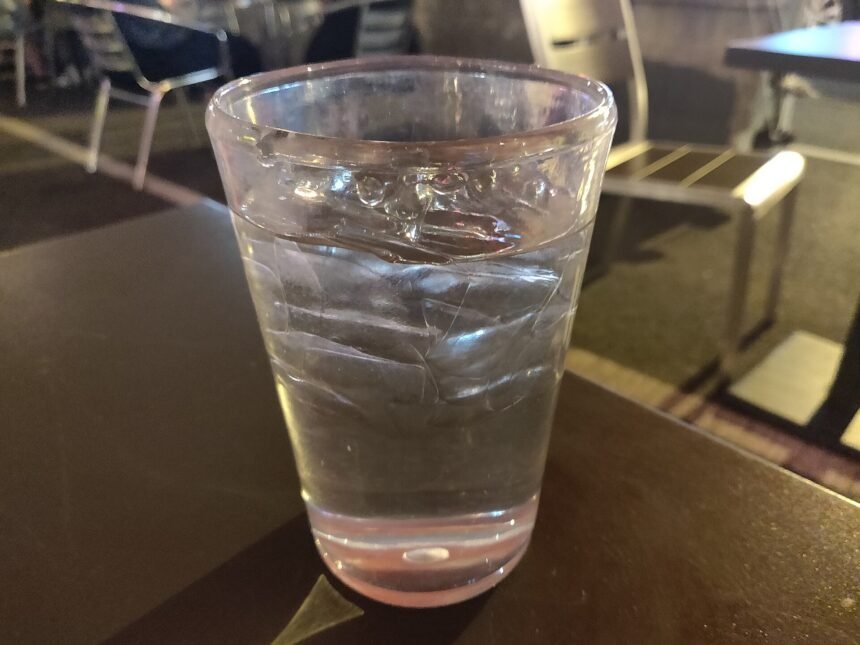
In May, nobody needs a reminder to drink water. In November, many of us go half a day on two cups of chai and a few sips from a bottle. The body still needs fluids in winter, but the signal that tells you to drink gets quieter.
Why winter dehydration sneaks up
Cold weather dulls thirst. Oklahoma State University Extension notes that thirst can drop by up to 40% in the cold. At the same time, you keep losing water. Cold, dry air pulls moisture out every time you breathe, and you can see it as mist on a cold morning. Sweat under jackets and sweaters evaporates fast, so you do not notice it. The cold also makes the kidneys pass more urine.
Older adults are at higher risk, because thirst weakens with age and some drink less to avoid trips to the toilet. Young children, and anyone down with fever or diarrhoea, also lose fluids quickly.
Signs to watch for
- Dark yellow urine, or passing urine less often
- Dry mouth and cracked lips
- Headache, tiredness or trouble concentrating
- Dizziness or irritability
- Constipation
The easiest check is the colour of your urine. Pale, straw-like yellow usually means you are drinking enough.
Simple ways to drink more
- Keep warm water close. A steel flask of lukewarm water on your desk gets sipped far more than a cold bottle in the fridge.
- Count soups and dals. Tomato soup, rasam, thin dal and vegetable broth all add to your fluid intake.
- Try herbal drinks. Ginger, tulsi or jeera water are warm and caffeine-free.
- Eat water-rich foods. Oranges, guava, cucumber and radish help.
- Set reminders. A phone alert every couple of hours, or a bottle marked with times, works well.
- Go easy on chai, coffee and alcohol. Alcohol makes you lose water, so it does not count towards hydration.
How much is enough?
There is no single number for everyone. A widely used US guideline puts total daily water at about 3.7 litres for men and 2.7 litres for women, including the water in food, which supplies roughly a fifth of it. Your need depends on your weight, activity and health.
A note of caution: people with kidney disease, heart failure or other conditions may be told to limit fluids. If you have any health condition or take regular medicines, ask your doctor how much you should drink.
Information based on Oklahoma State University Extension and GoHealth Urgent Care.
Featured image: Kurt Kaiser, via Wikimedia Commons (CC0)