
Honasa Consumer, the company behind Mamaearth, reported its best quarter since listing on 6 November 2026. Revenue from operations for the September quarter rose 35.9% year on year to Rs 731 crore, and net profit climbed 87% to Rs 73 crore. “We delivered our highest growth since listing,” co-founder and CEO Varun Alagh said in the results statement, as reported by Inc42.
Two years earlier the same company was reporting a loss and watching its shares fall. The turnaround is a useful look at how a direct-to-consumer brand learns to sell in the ordinary Indian shop.
The early years
Before Mamaearth, Varun Alagh spent years in FMCG at Hindustan Unilever, Coca-Cola and Diageo. Ghazal Alagh had worked as a corporate trainer and ran a small start-up that sold customised diet plans, according to a 2019 Business Today profile of the couple.
The idea came from being new parents. When their son Agastya was born, they went looking for baby products without ingredients such as parabens, phthalates and mineral oil. They found few options in India, and imported products were costly and hard to get, Inc42 reported.
The idea
In 2016 the couple started Mamaearth in Gurugram as an online-only baby care brand. It launched with six products, including shampoo, body wash, lotion and a mosquito repellent, sold through its own website and marketplaces such as Amazon, Flipkart, FirstCry and Nykaa.
Varun’s view was that online selling solved the toughest problem for a new brand. “The biggest problem in brick and mortar is discovery,” he told Business Today in 2019. Ghazal said the goal was to show that “it was possible to launch a reasonably priced brand in India with the best of ingredients.”
Early backers included Stellaris Venture Partners and Fireside Ventures, which put in $4 million in a Series A round, along with Rishabh Mariwala and the Snapdeal founders Kunal Bahl and Rohit Bansal. Sequoia India came in later. By 2018-19 Mamaearth was reporting gross revenue of about Rs 25 crore.
How it grew
The brand soon moved beyond babies. Ghazal Alagh told Inc42 that the demand for safer products came from far more than young parents, so Mamaearth added face washes, serums and hair care, including about a dozen launches during the Covid lockdown in 2020. The range grew from six products to more than 100.
Honasa then built a house of brands. Today it includes The Derma Co, Aqualogica, Dr. Sheth’s, BBlunt and Staze, among others. A funding round in 2022 valued the company at more than $1 billion.
In November 2023 Honasa listed on the NSE and BSE. The Rs 1,700 crore issue was priced at Rs 324 a share and was subscribed nearly eight times, Business Standard reported. The shares opened flat and closed their first day about 4% above the issue price.
The hard part
Life as a listed company brought pressure. In the September 2024 quarter, Honasa’s revenue fell 7% to Rs 462 crore and it posted a loss of about Rs 19 crore, according to YourStory. The company was changing its offline supply chain under a programme it called Project Neev, moving from super-stockists to direct distributors in its top 50 cities.
“This transition has impacted our revenue and profits, leading to a slowdown for Mamaearth,” Varun Alagh said at the time. The stock fell sharply in the days after the results.
Where it stands now
The distribution work now shows up in the numbers. In the September 2026 quarter, general trade and modern trade sales each grew about 40% year on year, while e-commerce grew about 20%, according to Inc42. Honasa products are now in about 3.2 lakh general trade outlets. The younger brands grew more than 45%, while Mamaearth itself grew in the high teens.
For the first half of FY27, revenue was Rs 1,487 crore, up 31%, and profit more than doubled to Rs 164 crore. Ghazal Alagh, who appeared as a judge on Shark Tank India, remains a co-founder and is closely linked to the brand in public.
Lessons for founders
- Your own problem can be a market. Mamaearth began with two parents who could not find what they wanted to buy.
- Online is a good start, not the whole map. Last quarter offline trade grew about twice as fast as e-commerce.
- Fixing distribution hurts before it helps. Project Neev cost Honasa a loss-making quarter before it paid off.
- One brand has limits. The newer labels are now growing faster than the brand that started it all.
Reporting based on Inc42 (Q2 FY27 results), Inc42 (early years), Business Today, Business Standard, YourStory and Wikipedia.
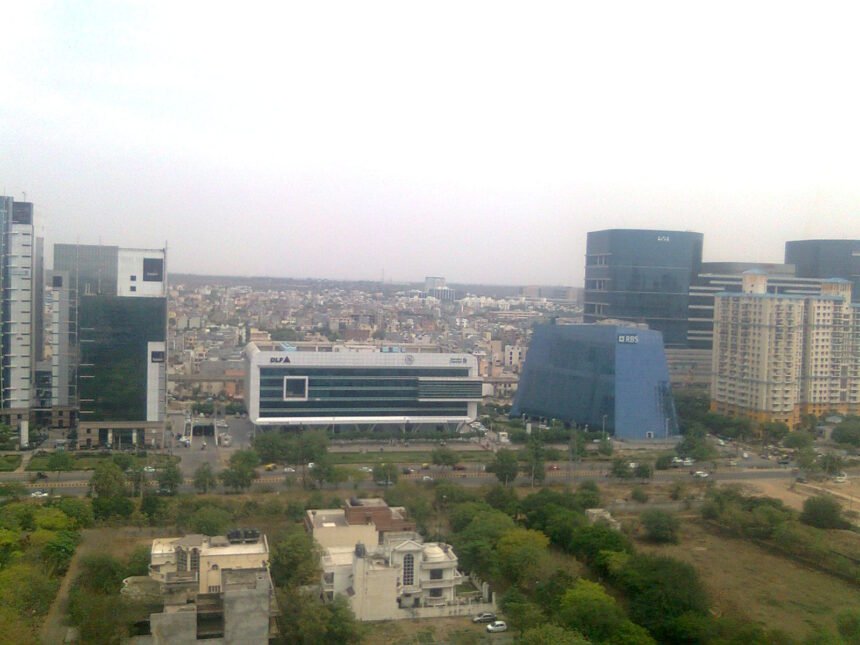
Featured image: Dealtroadd, via Wikimedia Commons (CC BY-SA 3.0)

