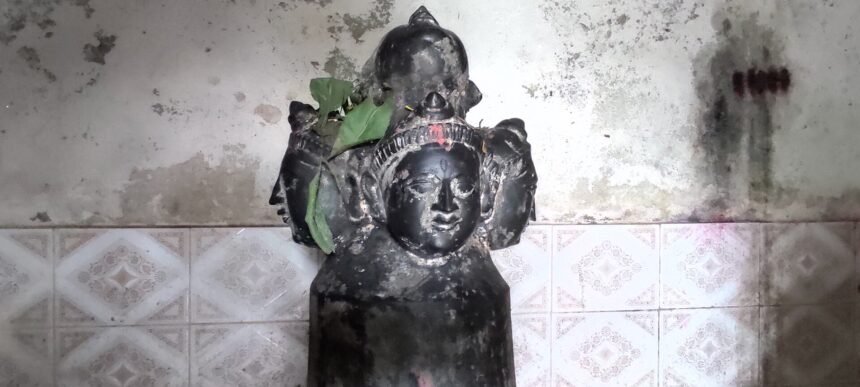
Masik Shivratri in December 2026 falls on Monday, December 7. Observed every month on the Krishna Paksha Chaturdashi, the night before Amavasya, Masik Shivratri is a monthly night of worship for Lord Shiva. This one comes in the month of Margashirsha, and falling on a Monday, which is already dedicated to Shiva, makes it especially popular with devotees.
Masik Shivratri December 2026: date and Nishita Kaal
As per Drik Panchang for New Delhi:
- Masik Shivratri: Monday, December 7, 2026
- Nishita Kaal puja: 11:46 pm on December 7 to 12:40 am on December 8
- Chaturdashi tithi begins: 2:22 am on December 7
- Chaturdashi tithi ends: 4:12 am on December 8
Nishita Kaal, the deep midnight window, is considered the most important time for Shivratri worship. Times vary by city, so check a local panchang if you are outside Delhi.
The previous Masik Shivratri was on Saturday, November 7, 2026. The next one falls in January 2027, in the month of Pausha. For other observances this month, see our Margashirsha 2026 festival list.
How Masik Shivratri differs from Maha Shivratri
There are twelve Masik Shivratris in a year, one in each lunar month. The one in Phalguna (Magha in the amanta calendar used in South India) is celebrated as Maha Shivratri, the biggest Shiva festival of the year. Many devotees who want to observe Maha Shivratri with a full fast start by keeping Masik Shivratri vrats through the year, treating them as preparation.
How to observe the vrat
- Morning: bathe early, clean the puja space and take a sankalp, a simple resolve to keep the fast.
- During the day: many people keep a fruit-and-milk fast, while others take one simple sattvic meal. Choose what suits your health.
- Evening and night: offer water, milk, curd, honey and ghee to the Shivling (abhishek), followed by bel patra, white flowers, dhatura and sandalwood.
- Chanting: “Om Namah Shivaya” and the Mahamrityunjaya mantra are commonly recited. Some families read the Shiv Chalisa or Rudrashtakam.
- Jagran: devotees who can stay awake keep vigil through the night with bhajans.
- Parana: the fast is usually broken the next morning after bathing and a short prayer.
Why devotees keep this fast
Traditional belief holds that worship on Shivratri night helps calm the mind, removes obstacles and brings Shiva’s blessings for family wellbeing. Many unmarried women observe the fast praying for a good life partner, and married couples for harmony at home. Beyond belief, the day is valued as a monthly reset: a time for discipline, simple food and quiet reflection.
A note on fasting
Fasting is a personal choice. Pregnant women, older people, children and anyone with diabetes, blood pressure problems or other health conditions should not keep a strict fast without medical advice. A lighter fast, or simply offering prayers, is equally valid in most traditions.
The same week also has a Ravi Pradosh Vrat on Sunday, December 6, so many Shiva devotees will mark two observances back to back.
Dates and timings based on Drik Panchang (New Delhi). Please consult a doctor before fasting if you have any health condition.
Featured image: Amitabha Gupta, via Wikimedia Commons (CC BY 4.0)