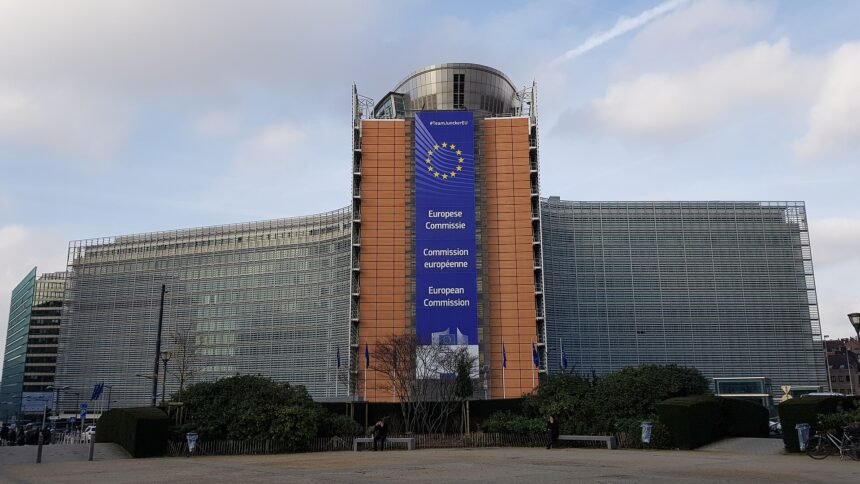
European Union leaders will meet their counterparts from the Western Balkans in Brussels on Wednesday, November 25. The EU-Western Balkans summit comes at a moment when enlargement is back near the top of Europe’s agenda, and when at least one country in the region believes it is close to the finish line.
EU-Western Balkans summit 2026: who and what
The meeting will be hosted by European Council President António Costa and European Commission President Ursula von der Leyen. The six Western Balkan partners are Albania, Bosnia and Herzegovina, Kosovo, Montenegro, North Macedonia and Serbia. These summits have been held regularly since 2018. The last one took place in Tivat, Montenegro, in June 2026.
According to the European Council, leaders will:
- reaffirm the region’s “membership perspective” in the EU
- discuss the reforms each country needs to move forward
- review progress on gradual integration, including through the Growth Plan for the Western Balkans
- talk about security and resilience in a difficult geopolitical situation
Costa has called the EU’s goal for the region “our priority” and said its future “is in the European Union.”
Where each country stands
- Montenegro: the front-runner. The EU has set up a working group to draft its accession treaty, and the country’s slogan is “28 by 28,” meaning it hopes to become the 28th member in 2028.
- Albania: an official candidate that has been moving through negotiations and is widely seen as next in line after Montenegro.
- Serbia: a candidate, but progress has been slowed by concerns over rule of law, its relations with Russia and the dispute with Kosovo.
- North Macedonia: a candidate whose path has repeatedly been held up by disputes with neighbours.
- Bosnia and Herzegovina: a candidate facing deep internal political divisions.
- Kosovo: has applied for membership, but five EU states do not recognise it as a country.
Why enlargement is back
Russia’s war in Ukraine changed the debate in Brussels. Leaving the Western Balkans waiting indefinitely is now seen as a security risk, because it gives Russia, China and others more room for influence. At the June summit in Montenegro, Costa described enlargement as “a geostrategic necessity for Europe.”
The Growth Plan, launched in 2023 with about €6 billion in grants and loans, is meant to bring the region closer to the EU’s single market before full membership, rewarding countries that carry out reforms.
The hard questions
Admitting new members also raises difficult issues inside the EU. Decisions on enlargement require unanimity, and the EU’s own rules on voting and budgets were designed for fewer members. Some analysts warn that the bloc is trying to bring in countries before they are fully ready, while others say waiting too long risks losing public support in the region.
What to watch on Wednesday
- Any firmer timeline for closing Montenegro’s negotiations.
- Signals on Albania’s next steps.
- New funding or market-access measures under the Growth Plan.
- Whether the joint declaration addresses Serbia-Kosovo tensions directly.
The summit also lands in a busy week for European politics, days before Spain’s snap election on November 29.
For India, which is building trade ties with the EU, a larger and more integrated European market in the long run could matter for exporters and investors.
Reporting based on The Brussels Times and AP via WTOP.
Featured image: Romaine, via Wikimedia Commons (CC0)