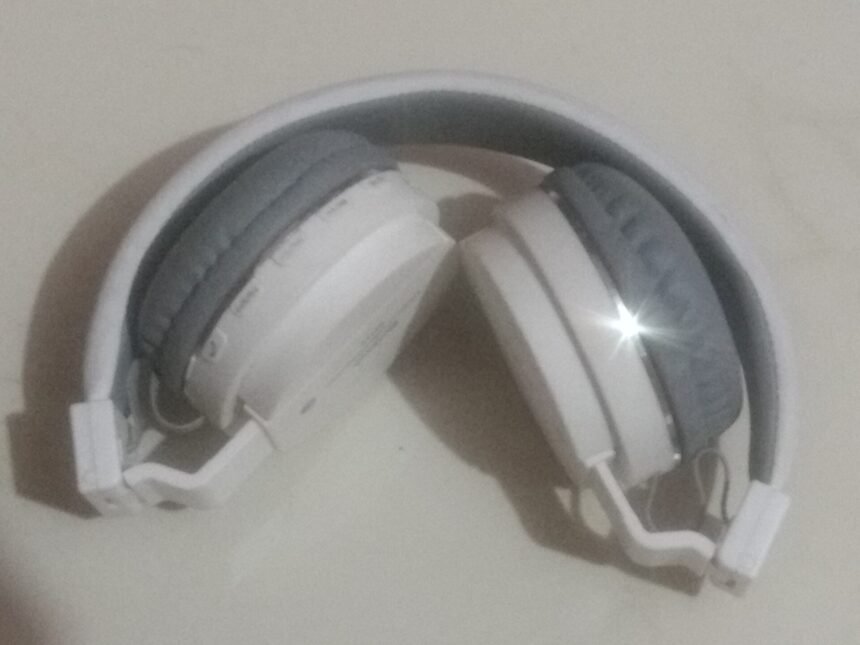
Two men met at the Taj Lands End in Bandra, liked each other’s idea, and set up a company within a week. That is roughly how the boAt success story begins, according to Business Today’s account. Aman Gupta and Sameer Mehta each put in Rs 15 lakh. A decade later, their brand sells more earphones, headphones and speakers than any other in India.
Two founders, one gap
Gupta had the corporate CV. He qualified as a chartered accountant at 21, earned an MBA from ISB, and ran India sales for Harman’s lifestyle audio brands, including JBL. Mehta came from the gadget trade, running a gaming accessories brand called RedWood Interactive.
Around 2013-14 both saw the same thing. Cheap smartphones were spreading across India, and every new phone owner wanted earphones and a charger. Global brands were either too expensive or not designed with young Indian buyers in mind.
Their company, Imagine Marketing, first imported and distributed foreign brands. The boAt brand launched in 2016, and its first products were not headphones at all. They were tough charging cables, including ones for iPhones, built to survive rough handling. Gupta has explained the name simply: “We are taught from childhood, A for apple, B for boat.”
The boAt success story in numbers
Growth came fast once the brand moved into audio. Business Today reports boAt crossed Rs 100 crore in sales in its second year. By FY2020, revenue was about Rs 600 crore, and the company had raised only around $3 million in outside money, according to TechCrunch.
- January 2021: raised $100 million from Warburg Pincus, valued at about $300 million (TechCrunch)
- FY22: revenue of about Rs 2,873 crore, roughly double the year before, with a profit of Rs 78.8 crore
- October 2022: raised Rs 500 crore from Warburg Pincus and Malabar Investments
- FY23: revenue of Rs 3,258 crore but a loss of Rs 101 crore
- FY24: revenue of Rs 3,117.6 crore and a loss of Rs 79.7 crore
- FY25: revenue of Rs 3,097.8 crore and a net profit of Rs 60 crore (YourStory, Business Standard)
According to its draft prospectus, cited by Business Standard, boAt held about 26% of India’s branded personal audio market by value in FY25, and has been No. 1 for five years in a row.
The hard part: losses and a delayed IPO
The story has not been a straight line. Two loss-making years followed the 2022 peak, as the company carried heavy inventory and spent big on marketing while Xiaomi, Realme and a wave of cheaper brands competed hard. A planned Rs 2,000 crore IPO was filed in 2022 and shelved. A second attempt was cleared by SEBI in 2025, then deferred again in January 2026.
The company also moved manufacturing home. “Two years ago, it was 100 per cent not made in India; now, 70 per cent is made in India,” Mehta told Business Today in January 2024.
In November 2025 the founders handed day-to-day control to a professional CEO, Gaurav Nayyar, ahead of the planned listing. Most Indians also know Gupta from his years as a judge on Shark Tank India.
The company still knows how to get attention. Earlier this month boAt gave employees an optional day off on November 19 for the launch of the video game GTA 6, telling staff their “KRA is updated to completing missions and side quests”, as reported by Aaj Tak and OneIndia.
What readers can take from it
- Start with the boring product. Cables were cheap to make and gave the brand a foothold before audio.
- Know your buyer. boAt’s design, pricing and marketing were built for young Indians, not adapted from abroad.
- Growth is not profit. Two loss years forced a rethink, and FY25’s profit came from discipline, not just sales.
“We have shown India that brands can be built, and consumers are ready to accept Indian brands,” Gupta told Business Today. For other founders on Shark Tank’s panel, read the Vineeta Singh and SUGAR Cosmetics story.
Reporting based on Business Today, TechCrunch, YourStory and Business Standard. Not financial advice.
Featured image: Akb48akb, via Wikimedia Commons (CC BY-SA 3.0)