
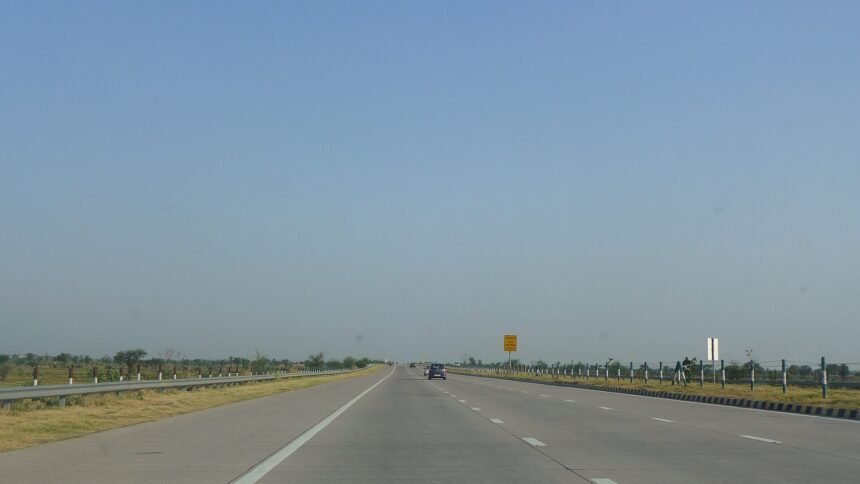
The Yamuna Expressway speed limit for cars and other light motor vehicles dropped from 100 kmph to 75 kmph on November 25, three weeks earlier than usual. The Yamuna Expressway Industrial Development Authority (YEIDA) says the winter cap will stay until February 15, 2027. If you drive between Greater Noida, Jewar, Mathura and Agra, the new number will show up on your challans, not just on the signboards.
What exactly changed?
Only the limit for light motor vehicles, which includes cars, SUVs and vans. It is now 75 kmph across the 165-km expressway. The limit for heavy vehicles such as trucks and buses stays at 60 kmph, according to YEIDA officials quoted by Hindustan Times. UNI’s report from Lucknow carried the same dates and numbers.
Why did it start in November this year?
The fog arrived early. YEIDA normally lowers the limit between December 15 and February 15. “This year, the state government decided to advance the restrictions on some expressways due to the early onset of fog,” said Rajendra Singh Bhati, general manager of the Yamuna Authority. “We also decided to reduce the speed limit on the Yamuna Expressway from November 25 instead of December 15.”
Low visibility at high speed is the main killer on this road in winter. Multi-vehicle pile-ups in dense fog have been a recurring feature of the stretch for over a decade, and a 25 kmph cut gives a driver noticeably more stopping distance when a truck appears out of the haze.
Yamuna Expressway speed limit: how much is the fine?
In Gautam Buddh Nagar, speeding attracts a fine of Rs 2,000 for light motor vehicles and Rs 4,000 for heavy vehicles, officials said. Enforcement is not light. Noida Police issued 2.12 million traffic challans between January and October 2026, of which about 2.39 lakh were for speeding.
Road safety numbers explain the urgency. Between January and May this year, 36 people were killed and 43 injured in 68 road accidents in Noida, officials told HT. More recent figures were not available.
What is the operator doing on the road?
YEIDA has told the concessionaire, Jaypee Infratech Ltd, to:
- Put up signboards with the new limit at key points
- Install fog lights at entry and exit points, plus blinkers at risky spots
- Add reflective tape along the expressway
- Hand out pamphlets and use public announcements at toll plazas
JK Sharma, assistant general manager for toll operations, said signboards were already going up and the whole stretch was being inspected for spots that need work. The operator also says it offers tea to truck drivers at night to keep them alert, and has 15 patrol vehicles, six ambulances, six cranes and six fire tenders on the route.
Practical tips for the next 80 days
- Set cruise control or a speed alert at 75 kmph. Many cars default to 100 after a highway trip.
- Leave early on foggy mornings; the worst visibility is usually before 9 am.
- Use low beam and fog lamps, not high beam, which bounces off fog.
- Keep a bigger gap from trucks, which may brake late at 60 kmph.
- Check your vehicle number on the state e-challan portal after long trips so a fine does not surprise you later.
For a fuller checklist, our guide to driving safely in fog on Indian roads covers lights, wipers and what to do if you break down.
Reporting based on Hindustan Times, UNI and ThePrint.
Featured image: Qirille, via Wikimedia Commons (CC BY-SA 4.0).




