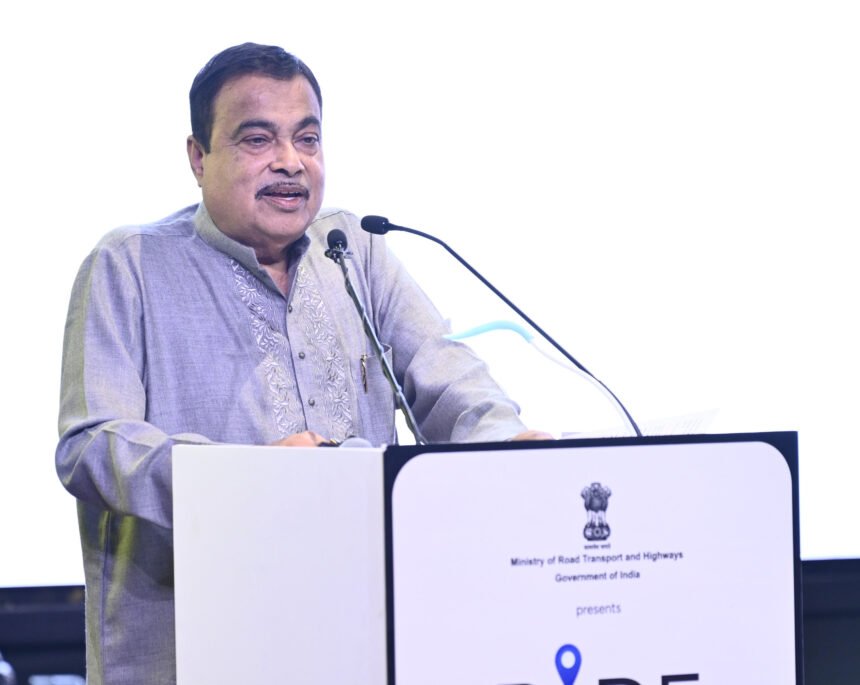
Road Transport and Highways Minister Nitin Gadkari asked states to adopt the Motor Vehicle Aggregator Guidelines, 2025, while speaking at the RIDE event at Bharat Mandapam in New Delhi on 18 November 2026. The ministry’s account says the programme brought together app companies, drivers, gig workers and others who use or depend on the platforms. The request put the focus on which protections drivers can use locally and who is responsible for making those protections work.
The event invitation listed Uber, Ola, Rapido, Bharat Taxi, Zomato, Swiggy and Porter as collaborators. Their businesses span passenger trips, food delivery and goods transport. The fact that they shared a programme helps explain Gadkari’s point about the reach of app-based work. It does not establish that the same rule applies in the same way to everyone earning through those services.
What the ministry says the framework includes
The ministry’s release highlighted a minimum share of 80 percent of the applicable fare for drivers using their own vehicles. It also cited health insurance of ₹5 lakh and term insurance of at least ₹10 lakh. Other provisions mentioned in the release included allowing drivers to work across multiple aggregator platforms, 40 hours of induction training and a grievance officer reachable through the aggregator’s call centre.
For a driver trying to understand a payment, the trip statement is a useful starting point. It can show the fare, the platform’s deductions and the amount credited. Those details help a driver frame a precise question if the credited amount seems wrong. The applicable fare and the amount a passenger sees in the app may need to be read alongside the terms and the local rules before anyone draws a conclusion from one receipt.
Insurance raises a different set of practical questions. Who is the insurer? When does cover take effect? Where can a driver find their certificate or the claim form? The amount cited in a policy summary matters, but these are often the details people need first when seeking help. Platform instructions and the documents issued for a particular policy can answer them more clearly than a general announcement.
Why the call went to the states
The ministry described Gadkari’s intervention as a call for wider adoption of the framework. A speech at a national event tells readers what the Union minister wants states to do. For someone deciding which rules govern work in a particular city, the useful next document is the state transport department’s published notification or licensing guidance. Its dates and scope can show when a requirement starts and which operators it covers.
Drivers often carry more than one kind of responsibility. They have to keep a vehicle ready, learn the app’s procedures and communicate with customers, sometimes in a short window between assignments. A grievance system should help people identify who is handling an issue and whether there is a record they can refer to later. Passengers have a parallel interest. After a disputed charge or a service problem, they may want an acknowledgement and a way to follow the case.
What happened at the event itself
The ministry said some workers and drivers were recognised for helping road crash victims get to hospitals. The programme also featured accounts from participants who described how platform work had affected their livelihoods. The official photo album documents Gadkari’s address at the same event on 18 November.
The immediate news was the minister’s request and the provisions he chose to discuss. The practical follow-up is whether state transport authorities publish measures that a driver or passenger can look up and use. A notice with a commencement date, a scope and a contact for complaints would tell readers more about implementation than the speech alone. Browse The Popular Story’s News desk for more coverage.