India’s economy had a strong October on paper. The ICRA business activity monitor, released on 24 November, rose 12.8 per cent year-on-year in October 2026, up from 12.1 per cent in September. It is the fastest pace in about three years and the fifth month in a row of double-digit growth.
ICRA itself urges caution. “While the growth print for October 2026 signals a strong start for Q3 FY2027, this is largely optical,” the agency said in its report, as quoted by Business Standard.
What the ICRA business activity monitor tracks
The monitor is a composite of 16 high-frequency indicators, such as electricity demand, GST e-way bills, vehicle registrations, cement output and core sector data. It is measured in nominal terms, so price changes are included. In October, 11 of the 16 indicators improved compared with the previous month.
Where the growth came from
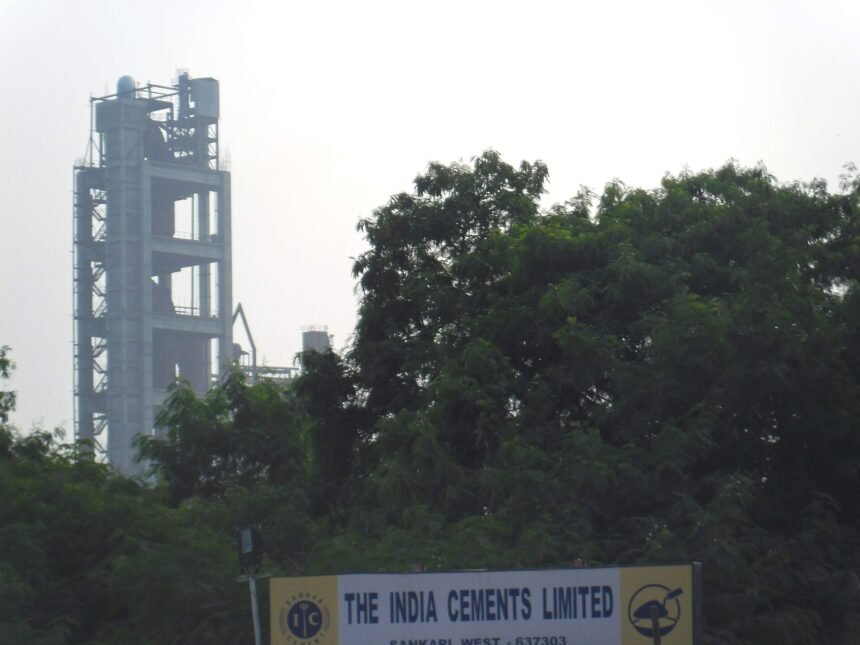
- Cement: Output growth jumped to 15.4 per cent from 10.1 per cent.
- Core sector: Output of the eight core industries grew 10.9 per cent, the fastest in the new data series. But October 2025 had grown only 0.8 per cent, so the comparison is against a very weak month.
- Vehicles: Dealers’ body FADA recorded a record 5.5 million retail sales over the 42-day festive period, 2.2 per cent above last year’s record.
Why ICRA calls it optical
Two things flatter October’s number. First, the base effect: October 2025 was hit by unseasonal rains, which disrupted construction and mining. Any normal month looks strong against that. Second, festival dates shifted. Much of the festive buying fell in October this year, while Dhanteras and Diwali themselves fall in November, which brings more holidays and fewer working days.
That is why ICRA expects a sharp cooling. “We expect the core output growth to cool to mid-single digits in November 2026,” the agency said, according to IANS.
The jobs picture
Labour data cited in the report was more encouraging, and less affected by base effects:
- The unemployment rate fell to 4.9 per cent in October from 5.0 per cent in September, the lowest in eight months.
- Labour force participation rose to 55.7 per cent from 55.5 per cent.
- The worker population ratio rose 0.3 percentage points to 53 per cent, with all the gain coming from rural areas.
Rural job gains during the festive and harvest season are common, so the next few months will show whether this holds.
The weak spot: rabi sowing
Not every indicator was positive. Rabi sowing was down about 11 per cent year-on-year as of 13 November. Early-season sowing data can catch up later, but a lasting shortfall in wheat and pulses acreage would matter for rural incomes and food prices next year.
What it means
For ordinary readers, the takeaway is that demand during the festive season was solid and jobs held up, but the headline 12.8 per cent overstates how fast the economy is really growing. Real GDP growth, which strips out inflation, runs at a much lower rate.
The bigger test comes with official GDP data for the July-September quarter, which is expected later this week. If you are planning household spending around year-end, our guide on making a December budget may help.
This article explains economic data and is not financial advice.
Reporting based on Business Standard and IANS.
Featured image: Surya Prakash.S.A., via Wikimedia Commons (CC BY-SA 3.0)