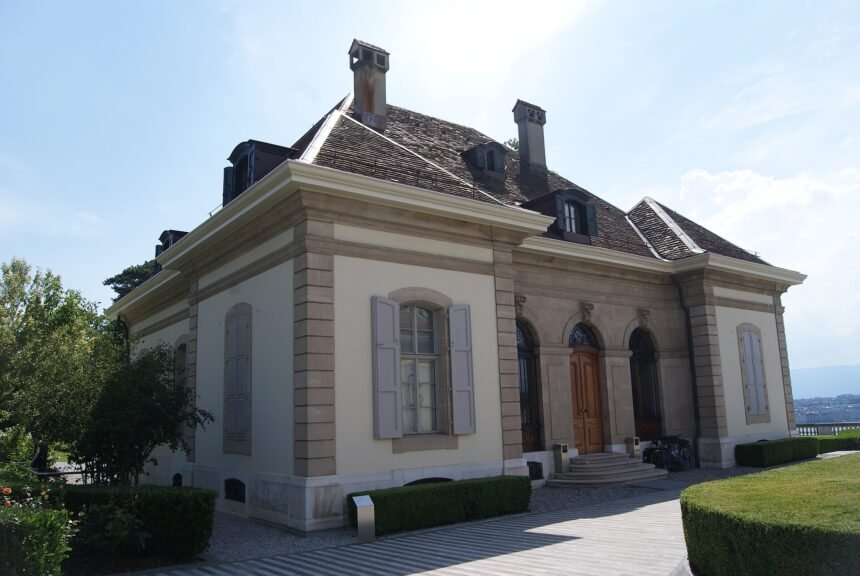
The first game of the 2026 World Chess Championship ended level. In Gukesh vs Sindarov Game 1, played on Tuesday, November 24, at the Fondation Martin Bodmer in Cologny near Geneva, defending champion D Gukesh held the Uzbek challenger to a draw by repetition after 38 moves. The match score is 0.5-0.5.
A draw sounds quiet. This one was not. Gukesh, playing Black, spent long stretches thinking in the middlegame and at one point was about 40 minutes behind on the clock.
The opening: a Berlin, of all things
Sindarov opened 1.e4, and Gukesh answered with the Berlin Defence of the Ruy Lopez, a solid, drawish system made famous when Vladimir Kramnik used it against Garry Kasparov in London in 2000. It is not a line Gukesh is known for, and broadcast host Judit Polgar admitted during the game that she was “worried a bit” about the choice.
Sindarov went into the Berlin Endgame with 6.Bxc6, a move he had never played before, and queens came off by move 7. From there it became a test of precision rather than fireworks.
Gukesh vs Sindarov Game 1: the clock scare
The danger came around move 17. Gukesh spent 13 minutes on move 12, 15 minutes on move 13 and then roughly 35 minutes on move 17, leaving him with about 28 minutes for the rest of the first time control. Chess.com’s annotations note that the natural-looking 17…Ra5 could have run into serious trouble. Gukesh found 17…Bb4 instead.
“I think the main point was move 17,” Gukesh said afterwards, according to ESPN. “I am happy that I was able to spend some time, find a good solution, and the moves after that were pretty easy.”
The second key moment was 27…Kf6, which Sindarov admitted he had underestimated. With the position close to equal, the pieces shuffled and the same position appeared five times between moves 33 and 38.
An unusual ending at the board
The draw itself came with a small drama. Sindarov played his move before claiming the threefold repetition, when the rules require the claim first. The arbiter docked him two minutes and added two minutes to Gukesh’s clock. Play resumed briefly before the draw was confirmed.
Engine analysis on chess.com rated the game highly: about 99% accuracy for Gukesh and 98.9% for Sindarov. FIDE commentator Peter Svidler summed it up: “For a first game in a World Championship, it was good.”
Sindarov said he had pushed because of his time advantage, “but I understood my position is very close to equal.”
The match format
- Up to 14 classical games; the first player to 7.5 points wins.
- Time control: 120 minutes for 40 moves, then 30 minutes with a 30-second increment from move 41.
- No draw offers before Black’s 40th move.
- If it is 7-7, rapid and blitz tiebreaks decide the title on December 12.
- Prize fund: US$2.5 million, with US$200,000 for each game won.
Our earlier guide covers when to watch the match in India.
What it means for the match
Getting through a first game with Black against a higher-rated challenger is a decent start. Sindarov, 20, came in rated 2782, well above Gukesh’s 2710, on the back of winning the 2025 World Cup and the 2026 Candidates with a record 10 out of 14.
The worry for Gukesh fans is the time he used. Spending over half an hour on one move in a line he chose himself is the kind of habit an in-form opponent can exploit later. Gukesh has been here before, though: he lost the first game of his 2024 title match against Ding Liren in Singapore and still won.
Game 2 is on Wednesday, November 25, at 3 pm local time, 7:30 pm IST, with Gukesh playing White for the first time. Game 3 follows on Thursday before the first rest day on November 27.
Reporting based on ESPN, Chess.com and World Chess.
Featured image: Jacklee, via Wikimedia Commons (CC BY-SA 3.0)