The Adani Group has signed a three-year agreement to buy recycled copper anode from Noida-based recycler Attero for its smelter in Mundra, Gujarat, according to a Reuters report citing people familiar with the matter. The Adani Attero copper deal is worth about $1 billion at current prices and covers 2,000 tonnes of copper anode a month for Kutch Copper, the copper arm of Adani Enterprises.
The deal was reportedly signed around three months ago but came to light only this week. Adani did not respond to Reuters’ request for comment, according to Business Today. Here is what the agreement involves and why it matters for India’s copper supply.
What is in the Adani Attero copper deal?
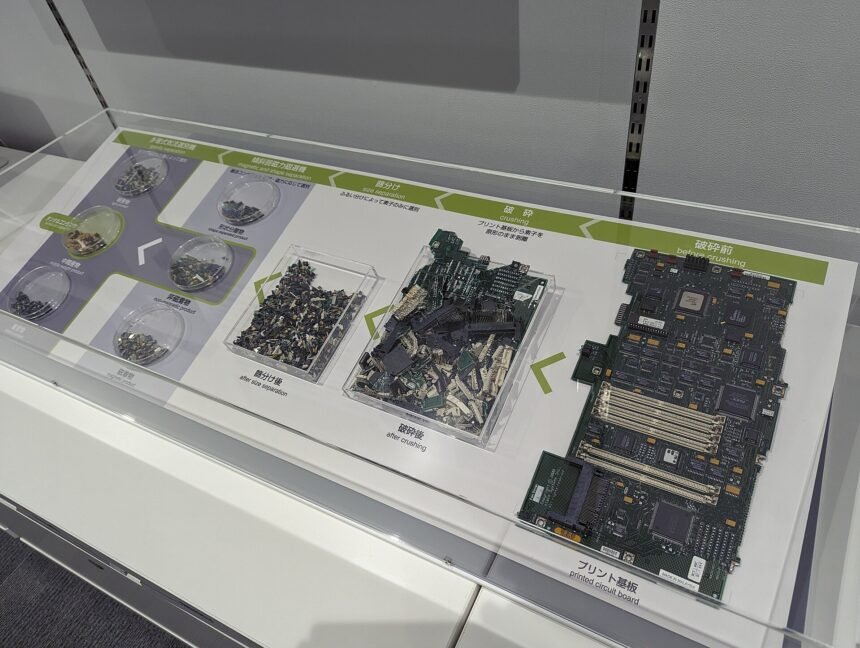
Attero will recover copper from discarded electronics and used batteries and turn it into copper anode, the semi-refined form of the metal that smelters and refineries use as an input. The main terms reported so far:
- Duration: three years.
- Volume: 2,000 tonnes a month, or about 24,000 tonnes a year.
- Value: roughly $1 billion over the life of the contract, based on prevailing market prices. This is an estimate, and the actual figure will move with copper prices.
- Buyer: Kutch Copper’s smelter at Mundra.
Reports say the supply could cut the smelter’s dependence on imported material by about 5%.
What is copper anode, and why does a smelter need it?
A copper smelter normally starts with copper concentrate, a powder made from mined ore. Smelting turns that into anode copper, which is about 98.5% to 99.8% pure. Anodes are then electrorefined into cathode copper of 99.99% purity, the grade used in wires, cables and electrical equipment.
If a plant can buy ready anode from a recycler, it skips part of the process and needs less imported concentrate. That is the practical value of Attero’s supply. It also gives Kutch Copper a domestic source that is not tied to mines in Chile, Peru or Australia.
How big is Kutch Copper?
Adani Enterprises started production at the Mundra smelter in 2025. The plant has a capacity of 500,000 tonnes a year. The group plans to double that to one million tonnes, which would make it the world’s largest copper smelter at a single location.
The trouble for any Indian smelter is ore. India has very little copper mining of its own, so most raw material comes from abroad. That is why the group has been signing supply deals overseas. Earlier this month, Adani signed an agreement with Chile’s state-run Codelco to invest in developing the Kaburkaala copper exploration project, Business Today reported. Kutch Copper also has an earlier arrangement with Codelco for concentrate supply.
Where does India stand on copper?
Copper demand in India is rising fast because of power grids, electric vehicles, solar projects, data centres and housing. Some figures from the last financial year (FY26) help show the gap:
- Annual refining capacity of nearly 1.3 million tonnes, according to government data.
- Refined copper output of about 704,000 tonnes, up from 573,000 tonnes a year earlier.
- Total copper imports of 859,509 tonnes, nearly flat (down 0.2%) year-on-year, according to data firm BigMint.
In short, India has the plants but not enough feed. Recycled copper from e-waste is one way to close part of that gap without digging new mines. For context on how trade rules are putting pressure on Indian metals and manufacturing, see our report on US tariffs and the Section 301 excess capacity probe.
What is Attero planning?
Attero is one of India’s larger e-waste and battery recyclers. On November 23, a day before the deal was reported, it announced plans to invest ₹3,000 crore over five years. It wants to raise its annual e-waste recycling capacity from 225,000 tonnes to one million tonnes within four years. In December 2025, the company had announced about ₹150 crore for recycling plants and research, including a copper recycling unit at Reengus in Rajasthan.
A long-term buyer like Kutch Copper gives Attero steady demand for the copper it recovers, which makes that expansion easier to plan and fund.
Will recycling solve the import problem?
Not on its own. At 24,000 tonnes a year, Attero’s supply is small next to a 500,000-tonne smelter, let alone a one-million-tonne one. Business Today noted that recycled copper alone may not end India’s import dependence, but together with overseas investments it could help spread the risk across more suppliers.
The bigger shift is in how Indian industry sees old phones, laptops and batteries. A few years ago, most of this waste went to informal scrap dealers. Deals like this one treat it as a raw material with a long-term contract price attached. If more smelters follow, India’s growing pile of e-waste could become a modest but steady source of copper.
Reporting based on Business Today and GKToday.
Featured image: Syced, via Wikimedia Commons (CC0)