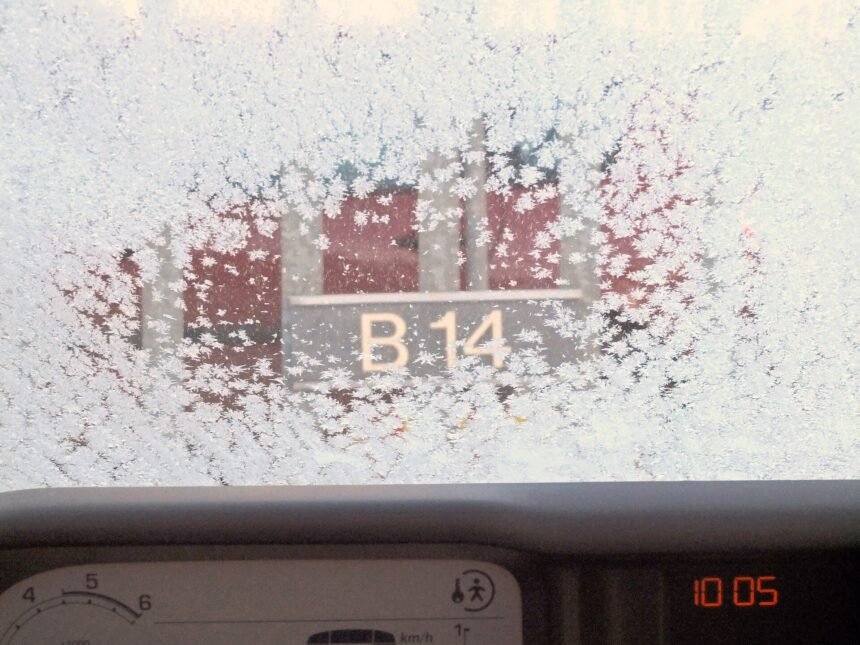
A car that starts fine in October can refuse to turn over on a foggy January morning. Cold weather is hard on batteries, tyres and wipers, and fog adds its own risks. A little car care in winter, mostly checks you can do in your driveway in 20 minutes, saves you from being stuck on a cold road. Here is a checklist for Indian conditions.
1. Battery: the most common winter failure
Cold slows the chemical reaction inside a battery, so it delivers less power just when the engine needs more to start. A battery that is already weak often gives up in the first cold snap.
- Check the battery’s age. Most car batteries last about three to five years. If yours is older, get it tested at a service centre or battery shop. Many do it free.
- Look at the terminals. White or greenish powder means corrosion. Clean it with a brush and a little baking soda in water, then dry. Always remove the negative cable first and reconnect it last.
- If the car will sit unused for a week or more, for example during a holiday, start it every few days and let it run for 10 to 15 minutes, or drive a short distance.
- Signs of trouble: slow cranking, dim headlights at start, or a battery warning light.
2. Tyres and pressure
Tyre pressure drops as temperatures fall. Check pressure every two weeks in winter, in the morning before driving, when tyres are cold. Use the figure on the sticker inside the driver’s door, not the maximum printed on the tyre.
Check tread depth too. Worn tyres are dangerous on dewy, slippery roads and in hill areas. If you are driving to the mountains, our hill station trip guide explains when chains or snow-ready tyres are needed.
3. Lights for fog season
Fog is the biggest winter hazard on north Indian highways. Walk around the car and check every light: headlights on low and high beam, fog lamps, indicators, brake lights and hazard lights. Clean the lenses. Yellowed, cloudy headlight covers can be polished at a car wash or service centre. Keep the low beam on in fog. High beam reflects off the fog and makes visibility worse.
4. Wipers and washer fluid
Morning dew and fog mean you will use wipers far more than you expect. Replace blades that streak, skip or squeak. Fill the washer reservoir with water and a little washer fluid that cuts through grime. Avoid using plain detergent, which can leave a film.
5. Clear vision inside the car
Windows fog up from inside when warm, humid air from your breath meets cold glass. To clear it quickly, turn on the AC with the fan on fresh air mode rather than recirculation, and point the vents at the windscreen. The AC dries the air. Keep the inside of the glass clean, as dirt gives moisture something to cling to. Do not wipe the windscreen with your hand while driving.
6. Engine oil and coolant
Check engine oil level, and get it changed if due. Make sure the coolant is topped up with the mix your manual recommends. In very cold hill areas, the right coolant prevents freezing. Do not open the radiator cap when the engine is hot.
7. Brakes
Any squealing, grinding or a soft pedal needs a mechanic before long winter drives. Wet roads increase stopping distances, so you want brakes in top shape.
8. Pack a small winter kit
- Jump cables or a portable jump starter
- A torch and spare batteries
- A warm blanket and drinking water
- A reflective warning triangle
- A microfibre cloth for windows
- A phone charger and power bank
For tips on driving itself, read our guide to driving in fog.
Warm-up: how long is enough?
Modern cars do not need long idling before you drive. Start, wait about 30 seconds to a minute for oil to circulate, then drive gently for the first few kilometres. Long idling wastes fuel and adds pollution.
Featured image: Kotivalo, via Wikimedia Commons (CC BY-SA 3.0)