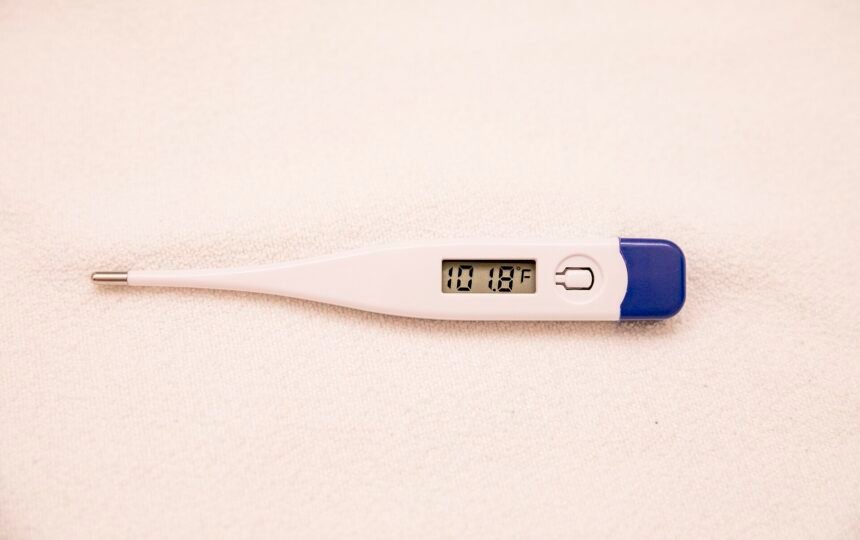
As the nights get colder, the coughs start. One child comes home from school with a runny nose, and within a week half the house is reaching for tissues. Most of these are ordinary colds. Some are influenza, which can hit harder and, for some people, turn serious.
Here is a plain guide to telling the two apart, protecting your family and knowing when to see a doctor.
Cold or flu: how to tell
A common cold usually creeps in. You get a scratchy throat, sneezing and a blocked or runny nose, and you can often still go about your day.
Flu tends to arrive suddenly. The World Health Organization lists these as typical signs:
- Sudden fever
- A cough, usually dry
- Headache
- Muscle and joint pain
- Severe tiredness
- Sore throat and runny nose
Symptoms usually start about two days after exposure, though it can be anywhere from one to four days. Most people recover within a week, but the WHO notes the cough can last two weeks or more.
If someone goes from fine at breakfast to feverish and aching by evening, flu is more likely than a cold. Only a test can confirm it, though, and many other viruses cause similar symptoms.
Why cases rise in the cold months
Flu spreads through droplets when an infected person coughs or sneezes, and through hands that touch a contaminated surface and then the face. It moves quickly where people are packed together, such as schools, offices and crowded buses.
In temperate regions, the WHO says, epidemics peak in winter. In tropical regions, flu can circulate all year in less predictable waves. India has both kinds of climate, so the pattern varies by region. In the cooler months, people also spend more time indoors with windows shut, which gives the virus more chances to pass between people.
Who needs to be most careful
For most healthy adults, flu means a miserable few days in bed. For some groups, the WHO says the risk of severe illness is higher:
- Pregnant women
- Children under five
- Older adults
- People with long-term conditions such as diabetes, heart, lung or kidney disease
- People with weakened immune systems
Health workers are also at higher risk because of their contact with patients. The WHO estimates that flu causes about a billion cases a year worldwide, with 3 to 5 million severe cases and between 290,000 and 650,000 respiratory deaths.
Simple ways to protect your family
- Ask about the flu vaccine. The WHO calls yearly vaccination the most effective way to prevent flu. It is especially recommended for pregnant women, children aged six months to five years, people over 65, people with chronic illnesses and health workers. Your doctor can tell you whether it suits you.
- Wash hands often, with soap and water, especially before eating and after coming home.
- Cover coughs and sneezes with a tissue or your elbow, and throw tissues away straight after.
- Stay home when sick. Sending a feverish child to school or going to work with flu spreads it to others.
- Keep some distance from people who are clearly unwell, where you can.
- Let in fresh air. Open windows for a while each day when outdoor air quality allows.
Looking after someone at home
Most people get better on their own. The WHO advises rest, plenty of fluids and managing the fever. Warm soups, dal, rasam, coconut water and plain warm water all count towards fluids.
Avoid giving antibiotics without a doctor’s advice. Flu is caused by a virus, and antibiotics do not treat viruses. Doctors may prescribe antiviral medicines for people at high risk or with severe symptoms, and these work best when started early.
If possible, let the sick person use a separate towel and glass, and wipe common surfaces such as door handles and phones.
When to see a doctor
The WHO advises getting medical care if symptoms get worse, are severe, or if the person has other health conditions. In practice, do not wait if:
- Breathing becomes difficult or fast
- There is chest pain or confusion
- Symptoms improve and then suddenly get worse
- A child is unusually drowsy, will not drink, or is passing very little urine
- The sick person is pregnant, elderly or has a long-term illness
The WHO notes that flu can lead to complications such as pneumonia and sepsis, and can make existing chronic illnesses worse.
Please note: This article is general information, not medical advice. If you or a family member has symptoms, a health condition, or questions about the flu vaccine, consult your doctor.
Information based on the World Health Organization’s fact sheet on seasonal influenza.
Featured image: Alabama Extension, via Wikimedia Commons (CC0)