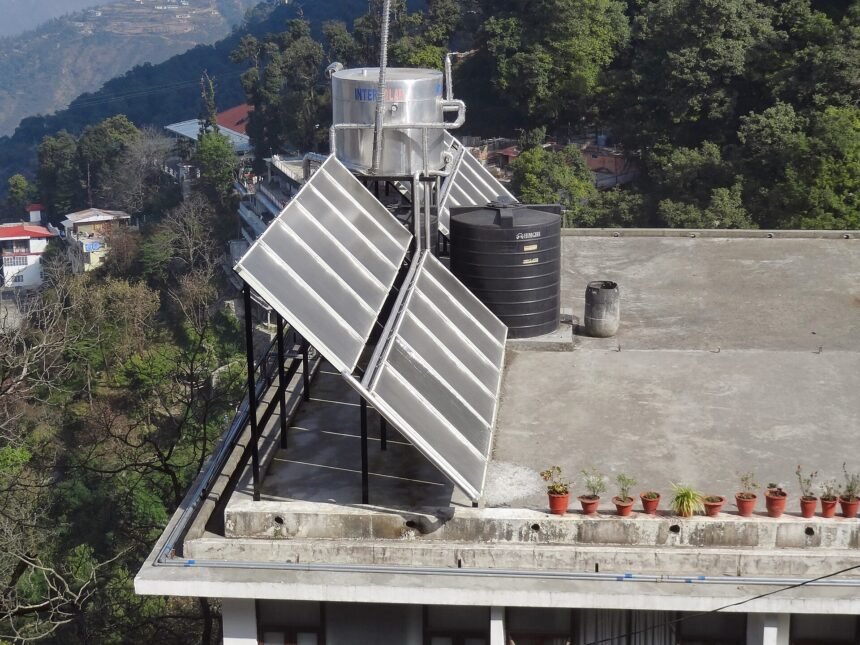
For many Indian homes, the geyser is the single biggest reason the electricity bill jumps between November and February. The good news is that a few small changes in how you use it can bring that number down without cold baths.
Why storage geysers use so much power
Most homes use a storage water heater, which keeps a tank of water hot. It uses electricity not only while heating water but also to keep it hot when nobody is using it. This is called standby heat loss, according to a guide from the Chennai-based Citizen consumer and civic Action Group (CAG). The longer the geyser stays on, the more you pay for heat that simply escapes.
Ways to cut the bill
- Switch it off after use. Turn the geyser on 15 to 20 minutes before baths and off once the family is done. Leaving it on all morning wastes power.
- Lower the thermostat. Many geysers come set very hot. CAG notes that around 60°C is usually enough, and that every 12°C reduction can cut water-heating costs by 3 to 5 percent.
- Bunch up bath times. Heating water once for everyone is cheaper than reheating the tank several times a day.
- Take shorter showers and use a bucket. Less hot water drawn means less reheating.
- Fix leaking taps. A dripping hot water tap wastes both water and the energy used to heat it.
- Insulate exposed pipes. Foam sleeves on hot water pipes reduce heat lost on the way to the tap.
Buying a new one? Check the star label
The Bureau of Energy Efficiency (BEE) rates storage water heaters from one to five stars, based on how much heat they lose while standing. A five-star model loses less heat, so it uses less power over the years, even if it costs a little more upfront. Choose a tank size that matches your family. A bigger tank than you need means heating water that goes unused.
If you live in a sunny region and have roof space, a solar water heater can handle much of the load. It needs a backup for cloudy days, but running costs are low.
Safety comes first
- Get electric geysers installed by a trained electrician, with proper earthing and an RCCB or ELCB on the circuit.
- Do not touch the geyser switch or taps with wet hands.
- Get the unit serviced if it trips, leaks or makes unusual noises.
- Gas geysers need special care. Never install one inside a closed bathroom without ventilation. Burning gas produces carbon monoxide, which has no smell and can cause dizziness, unconsciousness and death. Keep a window or exhaust fan open while it runs.
If anyone feels dizzy, sleepy or confused while bathing with a gas geyser, get them into fresh air at once and seek medical help.
Reporting based on guidance from Citizen consumer and civic Action Group (CAG).
Featured image: Harshanh, via Wikimedia Commons (CC BY-SA 3.0)