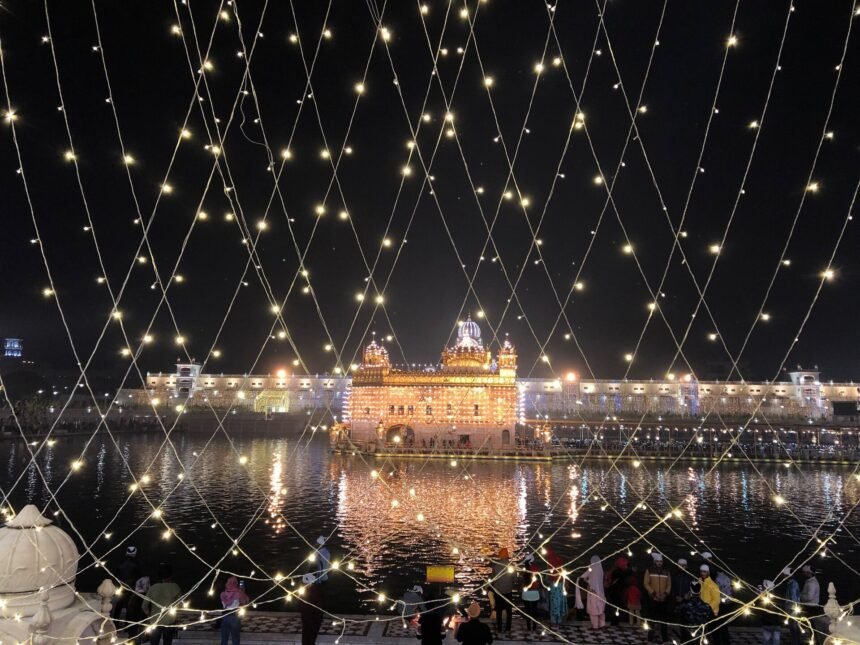
Guru Nanak Jayanti 2026 is being celebrated today, Tuesday, November 24, as Sikhs in India and around the world mark the 557th Prakash Purab of Guru Nanak Dev Ji, the founder of Sikhism and the first of the ten Sikh Gurus. The day falls on Kartik Purnima, the full moon of the month of Kartik, which is when the Gurpurab is traditionally observed.
Gurdwaras across the country have been lit up since last night, and the biggest crowds are expected at Sri Harmandir Sahib, the Golden Temple, in Amritsar. Stock exchanges are shut for the day, and it is a public holiday in most states.
Guru Nanak Jayanti 2026: date and why it moves every year
Guru Nanak was born in 1469 at Rai Bhoi di Talwandi, now Nankana Sahib in Pakistan’s Punjab. Although some historians place his birth in April, the Sikh community has long celebrated his Prakash Purab on Kartik Purnima. Because this follows the lunar calendar, the date on the Gregorian calendar changes each year. In 2026 it falls on November 24.
How the Gurpurab is celebrated
Celebrations usually begin two days before the main day and follow a set pattern in most gurdwaras:
- Akhand Path: a continuous 48-hour reading of the Guru Granth Sahib, ending on the morning of the Gurpurab.
- Nagar Kirtan: a procession led by the Panj Pyare, carrying the Guru Granth Sahib in a decorated palki, with kirtan, gatka displays and bands. Most cities held these on the eve of the festival.
- Prabhat Pheri: early morning processions singing shabads through neighbourhoods.
- Kirtan and katha: hymns and talks on the Guru’s life through the day.
- Langar: community kitchens that serve free meals to everyone who comes, regardless of faith, caste or status.
- Illumination: gurdwaras and homes are lit with lamps and lights, and many places hold fireworks at night.
The teachings at the heart of the day
Guru Nanak’s message is often summed up in three simple principles that are still central to Sikh life:
- Naam Japna: remembering and meditating on God’s name.
- Kirat Karni: earning an honest living through one’s own work.
- Vand Chhakna: sharing what you have with others, especially those in need.
He also rejected discrimination by caste and gender, and taught that there is one God for all people. The institution of langar, where everyone sits together on the floor and eats the same food, grew directly out of these ideas. Guru Nanak travelled widely across South Asia and beyond on journeys known as udasis, and spent his last years at Kartarpur, where he founded a community built around work, prayer and sharing.
Kartarpur and Nankana Sahib
For many Sikh families, the most special way to mark the day is a visit to Nankana Sahib, his birthplace, or to Gurdwara Darbar Sahib at Kartarpur, where he spent his final years. Both are in Pakistan. Each year, jathas of Indian pilgrims travel across the border for the Gurpurab under a bilateral protocol on religious visits, subject to approvals from both governments.
If you are visiting a gurdwara today
- Cover your head and remove your shoes before entering.
- Wash your hands and feet at the entrance.
- Avoid alcohol and tobacco on the premises.
- Sit on the floor in the darbar hall and in the langar, as everyone does.
- Expect long queues at big gurdwaras, so go early or late in the evening.
The day also comes as the year-long national commemoration of the 350th martyrdom anniversary of Guru Tegh Bahadur, the ninth Sikh Guru, reaches its close. For the Sikh community, it makes this one of the most significant weeks of the year.
Reporting based on Dainik Jagran English and Zee Business.
Featured image: BritishSikh, via Wikimedia Commons (CC BY-SA 4.0)