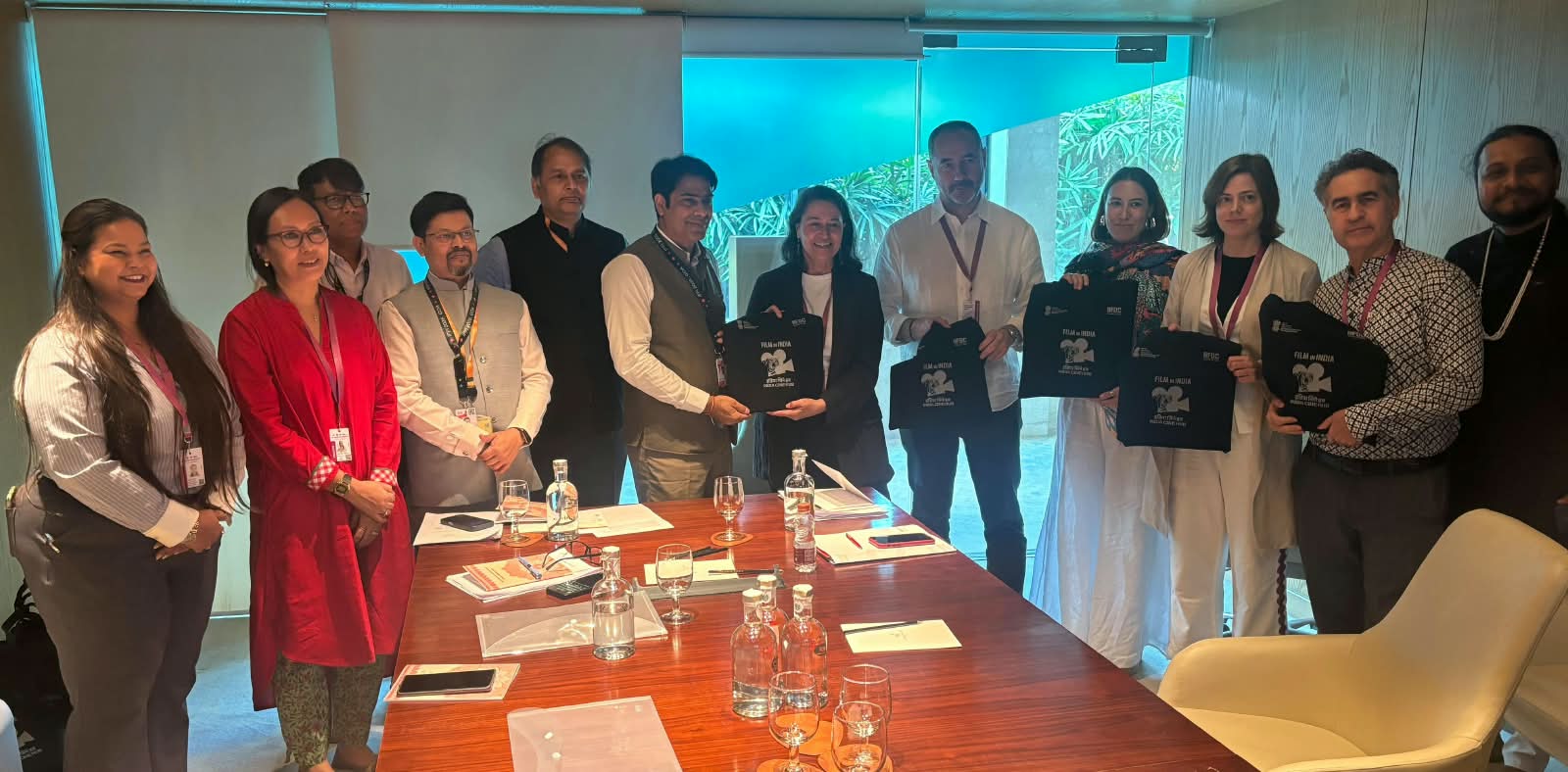
India and Spain discussed updating their audiovisual co-production agreement at the International Film Festival of India in Goa. The talks, reported by India’s Press Information Bureau on 21 November, brought together officials from both countries while Spain was appearing as Country of Honour at the festival. The existing agreement dates to 2012. Spain’s proposed scope reaches across film and television, with fiction, animation and documentaries among the types of work covered in the discussions.
Who took part in the discussions?
Prithul Kumar, joint secretary for broadcasting in India’s Ministry of Information and Broadcasting, met the Spanish delegation alongside officials from the ministry and India Cine Hub. Marta Serrano, director general of Spain’s Institute of Cinematography and Audiovisual Arts, led the visiting delegation. The PIB account of the meeting says the two sides explored updating the agreement and finding more ways for their audiovisual industries to work together through WAVES.
The announcement describes talks about a proposed update. For a filmmaker planning a project, the published text of any eventual revision would be the place to look for eligibility and application details. The meeting does establish which formats Spain wants to discuss, including television series. That detail matters because a producer bringing an episodic project to a market may have a different set of production and distribution partners from someone raising money for a single film.
Why co-production rules matter to a film crew
In a cross-border production, companies may share work on a project from development through delivery. An animated production, for example, might develop characters and scripts with one team while arranging part of the animation or post-production with another. A documentary may need collaborators who can work with archives, contributors and locations in each country. The work teams agree to share can influence how they build a budget, allocate time and decide which responsibilities belong to each producer.
Whether a project qualifies under an official agreement is a separate question from whether two companies can work together. Producers would still need to examine the applicable rules and decide how to divide rights, credits and costs. At this stage, the list of formats discussed in Goa gives producers a sense of the proposal’s scope. It leaves the practical details for a published agreement or subsequent guidance.
Where the industry conversations fit into IFFI
Spain’s Country of Honour appearance gave the festival a programme of Spanish cinema alongside meetings between industry professionals. The 20th WAVES Film Bazaar runs in Panaji from 20 to 24 November, within the wider festival’s 20 to 28 November dates. PIB said the Spanish programme included a dedicated day on 22 November with an industry panel and opportunities for professionals from the two countries to meet.
Those meetings give filmmakers and producers room to discuss individual projects alongside the government talks. For anyone following the agreement itself, the next concrete development to look for is an announcement with the text or terms of a revision. The festival website is the place to check screening and event listings for the rest of IFFI.
Read more from Top Stories and World.
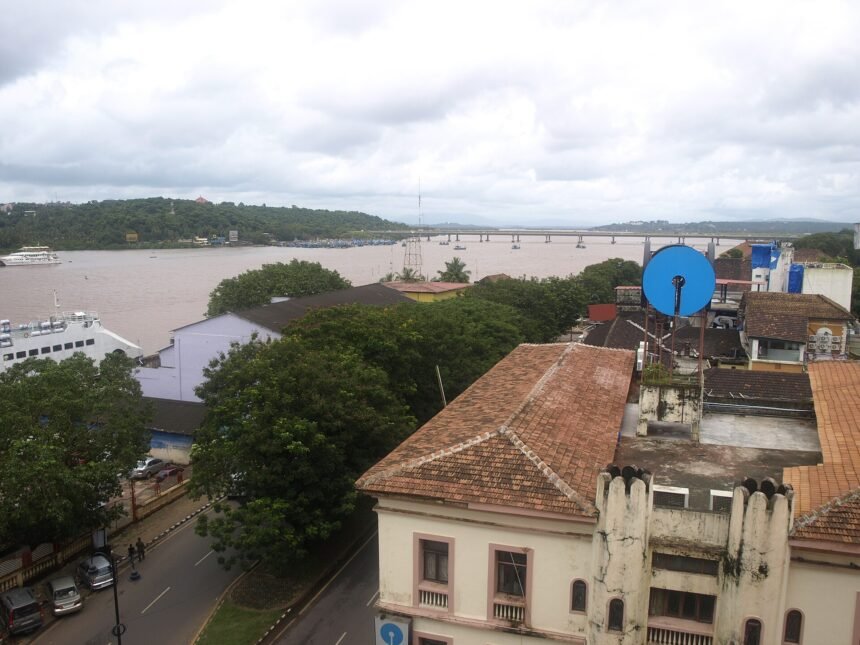
Featured image: Fredericknoronha, via Wikimedia Commons (CC BY-SA 3.0)