Long queues outside fertiliser shops have become a familiar rabi-season sight in parts of Rajasthan. This year the state government says supply is under control. At a review meeting in Jaipur on November 25, Chief Secretary V. Srinivas was told that the Rajasthan urea stock for rabi 2026, counting stock in hand plus consignments on the way, stands at 9.64 lakh metric tonnes, First India reported.
“Farmers should not have to struggle for fertiliser,” Srinivas said, according to First India (translated from Hindi).
The supply picture
- Urea available, including arrivals in transit: 9.64 lakh tonnes
- Urea supply received: 112 percent of the allocation so far
- DAP: most districts hold an 8 to 10 day advance buffer
For context, at an earlier review in October the state had listed about 7.81 lakh tonnes of total fertiliser stock for the rabi season, including 3.73 lakh tonnes of urea, CMV360 reported at the time. The higher figure now includes supplies that have arrived or are in transit since then.
Crackdown on hoarding and diversion
The state also listed enforcement action taken during the season, as reported by First India:
- 12,141 dealers inspected and 193 samples taken
- Notices served on 1,282 firms
- Sales stopped at 64 establishments
- 93 licences suspended and 31 FIRs registered
- 12,375 bags of fertiliser seized
Subsidised urea is meant only for farm use, but some of it is diverted to industry or sold above the fixed price. These numbers suggest the department has been more active this year, though the real test is whether farmers at village level see a difference.
Farmer-ID based sales by November 30
The biggest change for farmers is in how fertiliser is sold. The Chief Secretary directed that farmer-ID based distribution through the FFS portal be rolled out in all districts by November 30. The idea is to tie each sale to a verified farmer, so that subsidised fertiliser cannot be bought in bulk by hoarders.
Other directions from the meeting:
- Supply fertiliser down to village level through cooperative societies and KVSS
- Fix problems with POS machines at sale points
- Move supply from companies that are falling short to better-performing ones, in coordination with the Centre
- Promote nano urea, nano DAP, NPK and biofertilisers
What farmers should do
- Make sure you have your farmer ID, and that your Aadhaar and mobile number are linked to it.
- Buy from authorised dealers or your cooperative society and insist on a POS receipt.
- Do not pay more than the printed maximum retail price on the bag. Report overcharging to the local agriculture office.
- Ask your agriculture supervisor whether nano urea suits your crop; it can reduce the number of bags you need.
What it means
If the numbers hold, wheat and mustard growers should not face the shortages seen in some earlier seasons. The farmer-ID system may cause short-term friction at shops where POS machines or records are not ready, so expect some teething trouble in the first week of December.
Farmers elsewhere are also getting support this season; read about rabi crop insurance deadlines under PMFBY.
Reporting based on First India, with earlier stock figures from CMV360.
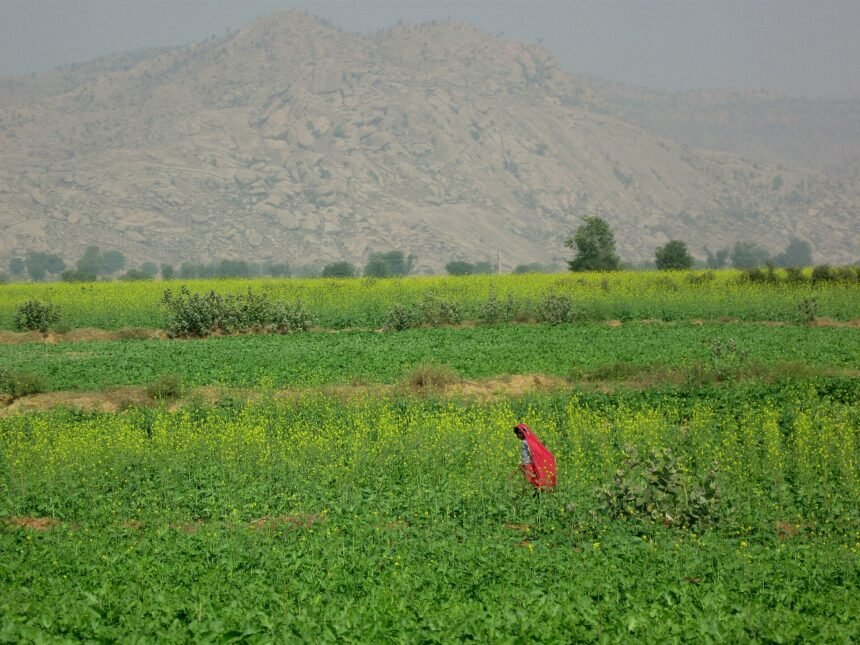
Featured image: Trees ForTheFuture, via Wikimedia Commons (CC BY 2.0)