The SAD BJP alliance is back. Union Home Minister Amit Shah announced on Tuesday, 24 November, that the Shiromani Akali Dal has returned to the National Democratic Alliance and will contest the 2027 Punjab Assembly election alongside the BJP. He made the announcement at a joint press conference in New Delhi with SAD president Sukhbir Singh Badal.
“BJP’s oldest ally, Shiromani Akali Dal, is back in the NDA,” Shah said, according to The Tribune.
The reunion ends a split that began in September 2020, when the Akali Dal walked out of the NDA in protest against the three farm laws. Those laws were later repealed. For most of the two decades before that, the parties were partners in Punjab and ran the state government together for three terms between 1997 and 2017.
What was announced
The broad terms are clear, but the arithmetic is not. Telangana Today reported Shah as saying the Akali Dal would be the “elder brother” in the partnership and that the Chief Minister’s post would go to the SAD if the alliance wins. The same report said the two parties would fight all 117 seats together.
Seat sharing has not been settled. BJP president Nitin Nabin said it would be decided “in due course of time.” The parties say a joint manifesto will follow, with drug abuse, farmers’ welfare and Hindu-Sikh unity named as early focus areas.
Sukhbir Badal framed the deal in personal terms. “This is not merely a political alliance; it is an emotional one,” he said, as quoted by Telangana Today.
Prime Minister Narendra Modi welcomed the move on social media, saying the alliance would be the preferred choice of Punjab’s people, All India Radio reported. The timing was symbolic too: the announcement came on the day of the 557th Parkash Purab of Guru Nanak Dev.
Why the SAD BJP alliance matters for Punjab
Punjab is currently governed by the Aam Aadmi Party, which won a large majority in 2022. In that election, the Akali Dal and the BJP fought separately and both finished far behind. The Congress, which ruled the state before AAP, is the other major player.
Running separately split a voter base that the two parties had shared for years. The Akali Dal has traditionally drawn strength from rural Sikh voters, while the BJP’s support is stronger in urban and semi-urban areas with a larger Hindu population. Putting those two blocs back together is the main logic of the deal.
The BJP also gains a regional face in a state where it has never led a government on its own. For the Akali Dal, which has struggled since 2017, the alliance offers a route back to relevance.
The questions still open
Three issues will decide how smooth this partnership turns out to be.
- Seat share: The BJP contested 23 seats under the old arrangement. After years of building its own organisation in Punjab, it is likely to ask for more. How the parties settle this will be the first real test.
- Farmers: The split happened over agriculture. Farm unions remain influential, and the alliance will need a clear message on crop prices and procurement.
- Leadership: If the CM post goes to the Akali Dal, the party will be expected to name a face well before polling.
What to know next
The Election Commission has not yet announced the schedule for Punjab, whose current Assembly term ends in early 2027. Expect seat-sharing talks, and the joint manifesto, to be the next headlines from this partnership. For other recent political moves in Parliament, see our explainer on the Winter Session bill on the women’s quota.
Until then, the main shift is simple: AAP and the Congress will now face a combined NDA in Punjab instead of two separate rivals.
Reporting based on The Tribune, Telangana Today and News On AIR.
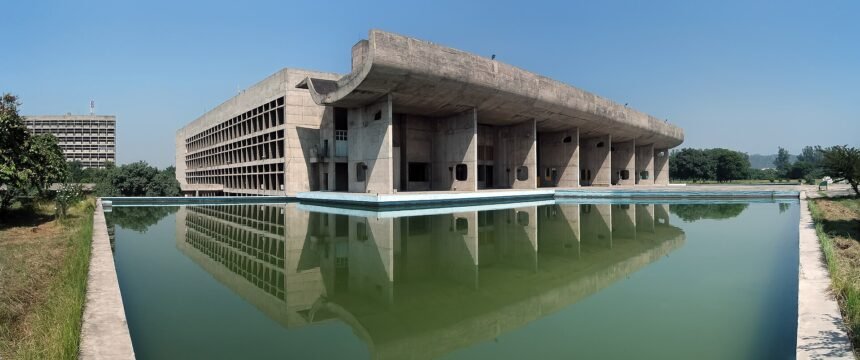
Featured image: duncid, via Wikimedia Commons (CC BY-SA 2.0)