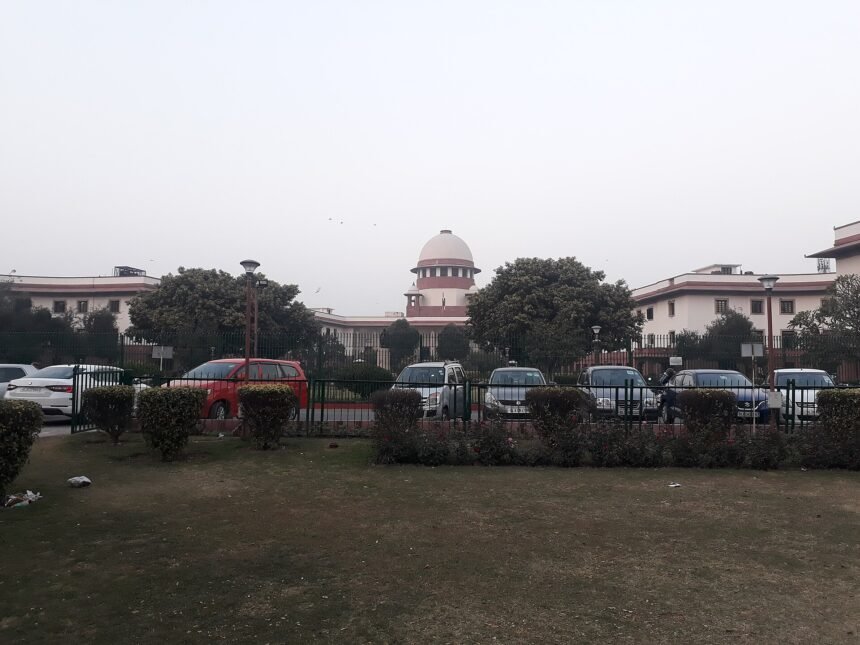
The Supreme Court has asked WhatsApp and other online platforms to tell it exactly what they will do to stop “digital arrest” scams. The order, reported on 10 November 2026, also puts pressure on banks to repay victims when they fail to act.
What the court ordered
A bench of Chief Justice of India Surya Kant, Justice Joymalya Bagchi and Justice V Mohana directed WhatsApp LLC, owned by Meta, and other intermediaries to explain the measures they plan to take against digital arrest fraud and related cybercrime.
The platforms must also send the same proposals to the Indian Cyber Crime Coordination Centre (I4C). “They shall also simultaneously submit their proposals to the I4C,” the bench said.
Police in every state and Union Territory have been told to report the status of FIRs and investigations in digital arrest cases, and to suggest ways to improve prevention, detection and prosecution.
Banks may have to pay victims back
The court said the Reserve Bank of India’s proposed rules must require banks and other financial institutions to compensate victims when the fraud happened because the institution did not take due care. The payout, the bench said, should be “not less than the amount lost by the customer.”
The RBI has been asked to give the court a list of all authorised financial institutions by the next hearing, which is set for 23 November.
What is a digital arrest scam?
In this fraud, callers pretend to be police, CBI, customs or other officials. They usually reach the victim over a video call, show fake documents or uniforms, and claim the person is linked to a crime. The victim is kept “under arrest” on camera and pushed to transfer money to “clear” their name.
No real agency in India arrests anyone over a video call or demands money to close a case. If you get such a call, hang up and report it on the national cybercrime helpline 1930 or at cybercrime.gov.in.
A case the court has tracked for months
The matter is titled In Re: Victims of Digital Arrest Related to Forged Documents. The Union government has filed a status report on steps taken since the court’s February 2026 directions. WhatsApp has reportedly banned about 9,400 accounts linked to these scams and to impersonation of law enforcement officers.
In August, the court had asked the RBI to frame a procedure allowing banks to place temporary holds on accounts linked to cyber fraud, along with a grievance system and a way to restore lost money. States were told to set up their own cybercrime coordination centres.
Reporting based on LiveLaw, The Federal, The Hans India
Featured image: Pinakpani, via Wikimedia Commons (CC BY-SA 4.0)