Western astrology and Vedic astrology, known as Jyotish, both use the zodiac, planets and houses, but they differ in how they measure the sky and what they emphasise. Both are belief systems and are not supported by scientific evidence, so this article is for general interest.
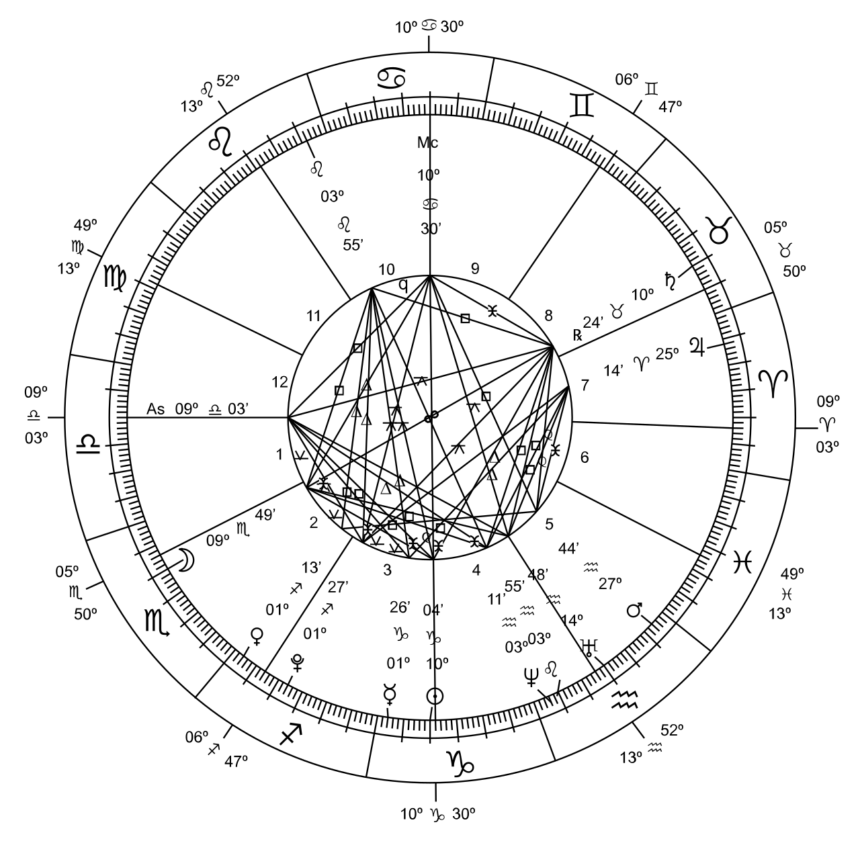
Photo credit: Fred the Oyster, CC BY-SA 4.0, via Wikimedia Commons.
Two different zodiacs
Western astrology uses the tropical zodiac, which is fixed to the seasons and begins at the spring equinox. Vedic astrology uses the sidereal zodiac, which is fixed to the background stars. Because of the slow wobble of the Earth’s axis, the two zodiacs have drifted apart by about 24 degrees. This gap is called the ayanamsa.
Why your sign can change
Because of that gap, a person’s sun sign in Vedic astrology is often the sign before the one they know from Western astrology. For example, someone born in the early part of a Western sign may be one sign earlier in the Vedic system.
What each tradition focuses on
- Western: mainly the sun sign, along with the Moon sign and rising sign. It also uses Uranus, Neptune and Pluto.
- Vedic: mainly the Moon sign (Rashi) and the ascendant (Lagna). It uses 27 lunar mansions called nakshatras and the lunar nodes Rahu and Ketu.
Planetary periods
Vedic astrology uses planetary periods known as dashas, such as the Vimshottari system, to describe when certain themes are said to be active in a person’s life. Western astrology more often uses transits and progressions.
Which one should you follow?
There is no scientific test that makes one system more accurate than the other. Many people follow the tradition they grew up with. If you want to compare, make sure your birth date, time and place are exact, since small errors can change the chart.
Written by The Popular Story desk. Astrology content is not a substitute for professional advice.