Utpanna Ekadashi falls on Friday, December 4, 2026. It is a special day in the Ekadashi calendar because, according to tradition, it marks the birth of Ekadashi herself. That is why devotees who wish to begin a vow of keeping all Ekadashi fasts through the year often choose this day to start.
Here are the date, tithi timings, parana time and the story behind the observance.
Utpanna Ekadashi 2026: date and timings
As per Drik Panchang for New Delhi:
- Utpanna Ekadashi: Friday, December 4, 2026
- Ekadashi tithi begins: 11:03 pm on December 3, 2026
- Ekadashi tithi ends: 11:44 pm on December 4, 2026
- Parana (breaking the fast): 6:59 am to 9:04 am on December 5, 2026
- Dwadashi ends: 12:51 am on December 6, 2026
Timings vary from city to city because they depend on local sunrise. If you live outside Delhi, check a reliable panchang for your own city before fixing your fast and parana time.
Which month does it fall in?
Utpanna Ekadashi is the Krishna Paksha Ekadashi that comes after Kartik Purnima. In the Purnimanta calendar followed in most of north India, this falls in the month of Margashirsha. In the Amanta calendar used in much of south and west India, the same day is counted in Kartik. The date of the fast is the same in both systems. Only the month’s name differs.
The story of Utpanna Ekadashi
The Puranic story behind this day is about a demon named Mur. Mur had grown so powerful that even the gods could not stand against him. Lord Vishnu fought him for a long time and then went to rest in a cave at Badrikashram. Mur followed him there, planning to kill Vishnu while he slept.
At that moment, a radiant goddess emerged from Vishnu’s body and destroyed Mur. When Vishnu woke up, he was pleased and named her Ekadashi, since she had appeared on the eleventh day of the lunar fortnight. He blessed her that anyone who fasts on this tithi with devotion would be freed from sins.
Because this is the day Ekadashi “was born,” it is called Utpanna, which means “arisen” or “born.” Goddess Ekadashi is seen as one of Vishnu’s protective powers.
How the fast is usually observed
Practices differ by family and region, but the common pattern is:
- On Dashami (the day before): a light, simple meal before sunset, without rice.
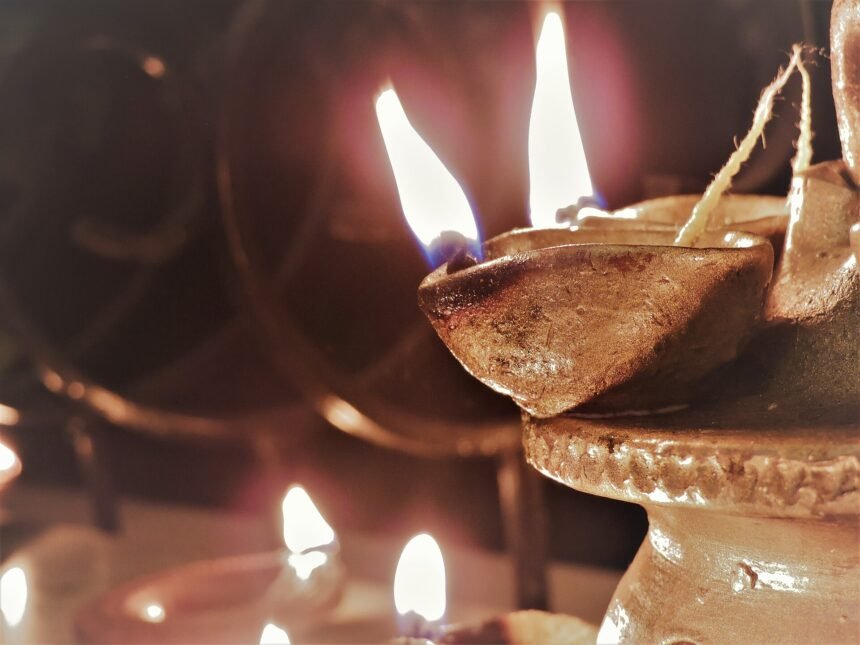
- On Ekadashi: an early bath, worship of Lord Vishnu with tulsi leaves, flowers, a ghee lamp and fruit. Many devotees chant “Om Namo Bhagavate Vasudevaya” or read the Vishnu Sahasranama.
- Fasting: some keep a nirjala fast (no food or water), while most take fruit, milk, sabudana or other phalahar foods. Grains and pulses are avoided.
- Night: many devotees stay up for bhajans or kirtan.
- Parana: the fast is broken the next morning within the parana window, ideally after offering food to a needy person or a Brahmin.
Why the parana time matters
Breaking the fast at the right time is considered as important as the fast itself. Parana should be done during Dwadashi tithi, and not during Hari Vasara, which is the first quarter of Dwadashi. The window given above already takes care of this for New Delhi. Breaking the fast after Dwadashi ends is traditionally seen as an error.
A note on health
A strict nirjala fast is not suitable for everyone. Elderly people, pregnant women, children and anyone with diabetes, low blood pressure or other medical conditions should speak to a doctor first. A fruit and milk fast, or simply avoiding grains, is a perfectly accepted way to observe the day.
Starting the Ekadashi vow
If you have been thinking of keeping Ekadashi fasts regularly, Utpanna Ekadashi is traditionally the day to begin. Many devotees take a small sankalp (resolve) during the morning puja and then follow the 24 Ekadashis of the year. Start with what you can sustain. Consistency and sincere devotion are what the tradition values most.
Date and timings based on Drik Panchang (New Delhi).
Featured image: Ara Basu, via Wikimedia Commons (CC BY-SA 4.0)