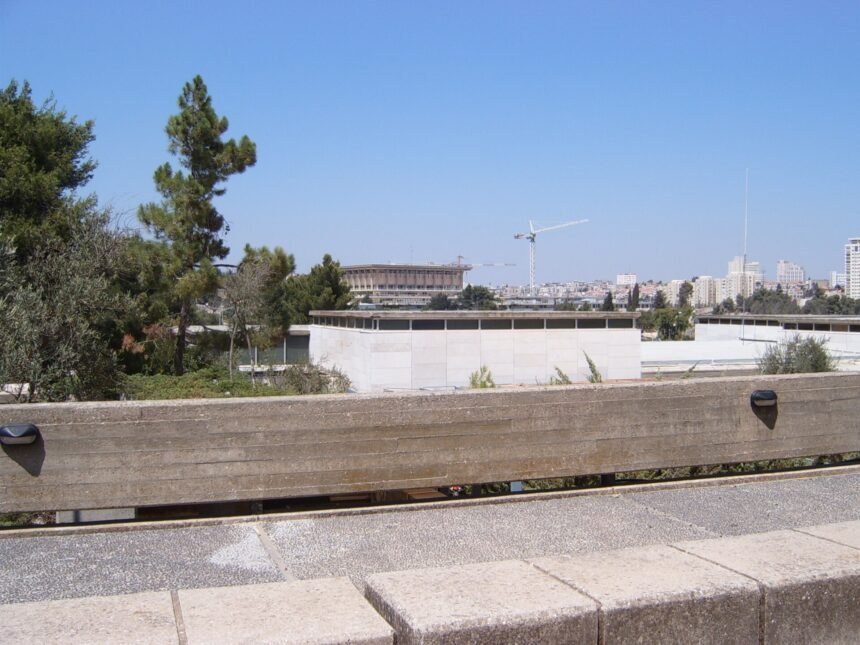
Israel’s new parliament was sworn in on Tuesday, November 10, but the country still has no new government. The October 27 election ended in deadlock, costing Prime Minister Benjamin Netanyahu his majority without giving his rivals a clear path to power.
President Isaac Herzog has asked Gadi Eisenkot, a former army chief who leads the centre-right Yashar party, to try to form a coalition. Eisenkot himself has called the task “extraordinarily complex.”
How the seats split
The Knesset has 120 seats, so a government needs at least 61. The results left no bloc close to that:
- Netanyahu’s Likud and its allies (far-right and ultra-Orthodox parties): 53 seats
- Eisenkot’s Yashar and partner factions: 48 seats
- Arab-led parties: 19 seats
Eisenkot’s three options
Each possible route has serious problems.
- A minority government backed from outside by Arab parties. This would be a major political shift in Israel and is hard to hold together.
- A coalition with ultra-Orthodox parties. They have said they will not join a government led by Eisenkot.
- A unity government with Netanyahu, which faces major obstacles of its own.
The deadline
Eisenkot has until December 6 to put together a government. The deadline can be extended by two weeks, to December 20. If he fails, Herzog would likely give Netanyahu a chance next. If that also fails, another candidate can try, and after that, Israel would head to yet another election.
Herzog urged lawmakers at the swearing-in: “You must do everything to avoid a repeat election.”
Netanyahu stays on for now
Until a new government is formed, Netanyahu remains caretaker prime minister. He has made claims of voter fraud involving Arab voters, which election officials say they have found no evidence for.
The new Knesset could still act on some issues. Arab parties support a commission of inquiry into the Hamas attack of October 7, 2023, which Netanyahu has largely opposed. There is also talk of replacing the Likud-linked Knesset speaker.
For India, which has close ties with Israel in defence, agriculture and technology, a long political deadlock could slow some high-level engagement, though day-to-day cooperation usually continues under caretaker governments.
The coming weeks will decide whether Israel gets a new leader for the first time in years or slides into another round of voting.
Reporting based on Reuters via Devdiscourse and Siasat.
Featured image: heatkernel from The Negev, via Wikimedia Commons (CC BY 2.0)