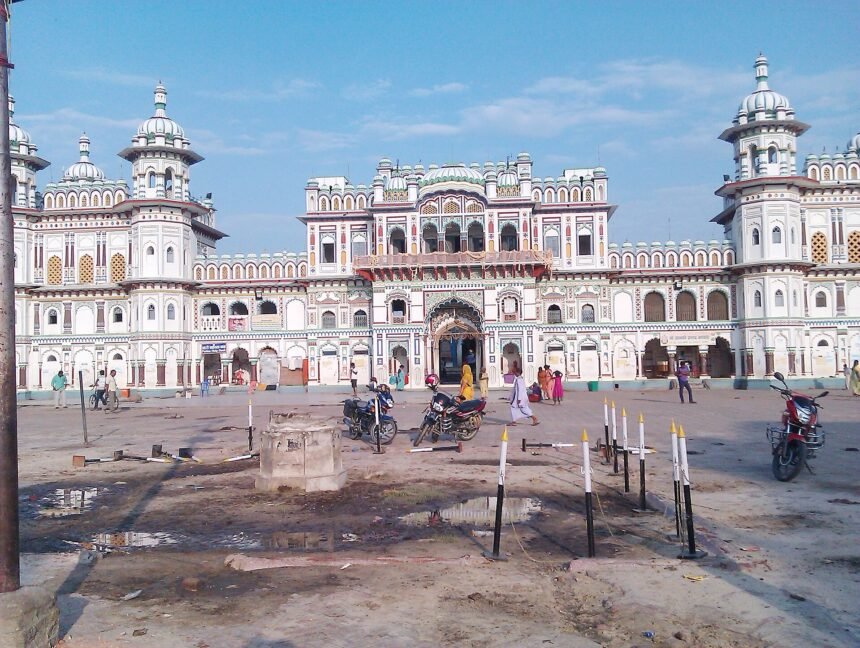
Vivah Panchami falls on Monday, December 14, 2026. The day marks the divine wedding of Lord Rama and Goddess Sita, and it is celebrated with special devotion in Ayodhya, in Janakpur in Nepal, and in homes across north India and the Mithila region.
Here are the date, tithi timings, the story behind the festival and a simple way to do the puja at home.
Vivah Panchami 2026: date and tithi
Vivah Panchami is observed on the Shukla Paksha Panchami of the month of Margashirsha. As per Drik Panchang for India:
- Vivah Panchami: Monday, December 14, 2026
- Panchami tithi begins: 4:47 pm on Sunday, December 13, 2026
- Panchami tithi ends: 7:15 pm on Monday, December 14, 2026
The festival is observed on the day when Panchami is present at sunrise, which is why December 14 is the main date in India. In Janakpur, Nepal, it is also December 14. Devotees in the USA and Canada will mostly mark it on December 13 because of the time difference. If you live abroad, follow your local temple’s announcement.
The story of Rama and Sita’s wedding
According to the Ramayana, King Janaka of Mithila announced a swayamvar for his daughter Sita. The condition was that the groom must lift and string the mighty bow of Lord Shiva. Kings and princes from many lands tried and failed. Rama, who had come to Mithila with his brother Lakshmana and the sage Vishwamitra, lifted the bow with ease, and it broke as he strung it.
Sita then garlanded Rama, and their wedding was celebrated with great joy in Janakpur. Rama’s brothers Bharata, Lakshmana and Shatrughna were also married to Sita’s sisters and cousins at the same time. Different versions of the Ramayana, such as Valmiki’s and Tulsidas’s Ramcharitmanas, describe the details a little differently, but the heart of the story is the same.
How it is celebrated
In Janakpur: As Sita’s birthplace, Janakpur celebrates as the bride’s side. The Janaki Mandir becomes the centre of several days of festivities, with re-enactments of the bow-breaking and a grand wedding procession for the groom.
In Ayodhya: Rama’s city celebrates as the groom’s side, with temple festivities, readings of the wedding episode and bhajans. Devotees planning a visit should check arrangements with the Shri Ram Janmabhoomi Teerth Kshetra trust closer to the date.
At home: Many families perform a symbolic wedding of Rama and Sita, read the wedding section of the Ramcharitmanas and sing bhajans.
Simple Vivah Panchami puja at home
- Clean the puja space and place a picture or idols of Sita and Rama together.
- Light a lamp and first offer prayers to Lord Ganesha.
- Take a sankalp (resolve) with water and rice in your hand.
- Offer flowers, rice, tulsi and water. Apply tilak to Rama and kumkum and haldi to Sita.
- Offer a red cloth to Sita and a yellow cloth to Rama.
- Perform a symbolic wedding by exchanging garlands and tying a thread between the two cloths.
- Offer sweets and fruits, then read the Bala Kanda or the wedding section of the Ramcharitmanas.
- Chant “Sita Ram” and end with aarti. Share prasad with family.
The whole puja can be done in about 45 minutes. Keep lamps and candles safely away from curtains and children.
Is it a good day for weddings?
This is where customs differ. Many families consider the day very auspicious because of its link to the divine wedding. But in parts of Mithila and Nepal, some families avoid fixing their daughters’ weddings on Vivah Panchami, remembering the hardships Sita faced later in her life. This is a regional custom rather than a rule from scripture. If you are planning a wedding around this date, it is best to talk to your family elders or priest.
Fasting
Fasting on Vivah Panchami is optional. Some devotees keep a fruit-only fast until the evening puja. Pregnant women, elderly people and anyone with diabetes or other health conditions should eat normally or consult a doctor first.
For many devotees, Vivah Panchami is a reminder of the values Rama and Sita stood for: devotion, patience and loyalty in marriage. It is also a lovely occasion for couples to pray together for a happy married life.
Date and tithi based on Hindutone, citing Drik Panchang.
Featured image: Nirmal Dulal, via Wikimedia Commons (CC BY-SA 3.0)