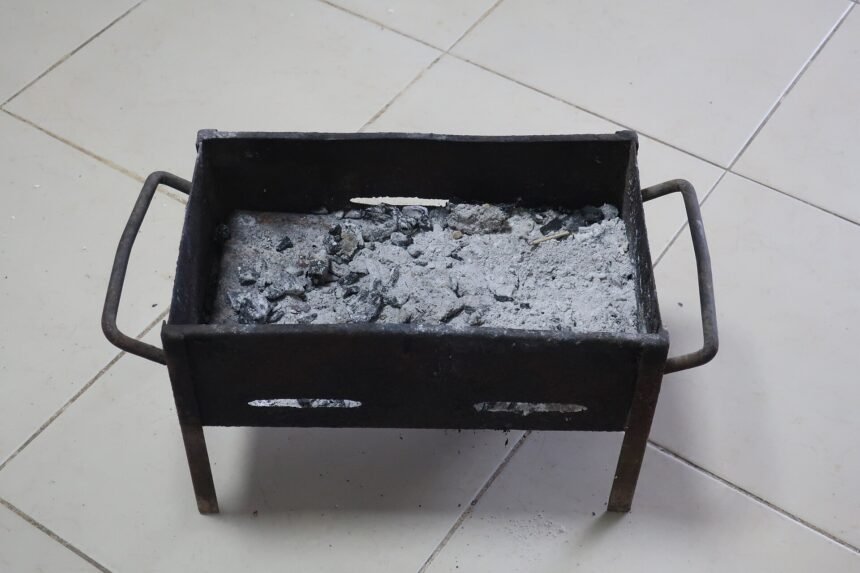
As nights turn colder across north India, room heaters, blowers and angithis come out of storage. They make winter evenings bearable, but every year they also cause fires and, in closed rooms, carbon monoxide poisoning. A few simple habits keep the warmth without the risk.
The hidden danger: carbon monoxide
Carbon monoxide (CO) is a gas you cannot see or smell. It is produced whenever fuel such as coal, charcoal, wood, kerosene or gas is burned. In a closed room, it builds up quietly. The US Centers for Disease Control and Prevention (CDC) lists headache, dizziness, weakness, upset stomach, vomiting, chest pain and confusion as common symptoms. People who are asleep can be overcome before they notice anything.
That is why burning a coal angithi or charcoal brazier inside a closed bedroom overnight is so dangerous. Many tragic winter deaths in India are linked to exactly this.
Safety tips for angithis and fuel heaters
- Never keep a coal or charcoal angithi burning in a closed room while people sleep.
- If you use one, keep a window or door partly open so fresh air can enter.
- Put out the fire completely before going to bed.
- Do not run a generator, gas stove or kerosene heater indoors to warm a room.
- Get gas heaters and chimneys checked before the season starts.
Safety tips for electric heaters
Electric heaters do not produce carbon monoxide, but they can start fires.
- Keep the heater at least three feet (about one metre) away from curtains, bedding, sofas and clothes.
- Plug it directly into a wall socket. Avoid extension boards, which can overheat.
- Check the cord for cuts or burn marks. Replace a damaged heater instead of repairing it with tape.
- Do not dry clothes on or near a heater.
- Switch it off when you leave the room or go to sleep.
- Keep small children and pets away from it.
Do not forget the air
Heaters, especially fan and coil types, dry out indoor air. This can leave skin itchy and the nose and throat dry. A bowl of water in the room, a short daily airing when outdoor pollution is lower, and drinking enough water help a lot.
Warm without a heater
You may need the heater less than you think. Layer clothes, use a thick blanket or quilt, wear socks to bed, and close gaps under doors with a rolled towel. Heavy curtains drawn after sunset also hold warmth in.
When to get help
If anyone in the room feels dizzy, sick or confused while a fuel heater is running, get everyone out into fresh air at once and seek medical help immediately. Carbon monoxide poisoning is a medical emergency. Older people, infants and anyone with heart or lung problems need extra care in winter, so please consult a doctor if they have breathing difficulties.
Reporting based on guidance from the US Centers for Disease Control and Prevention.
Featured image: Davidbena, via Wikimedia Commons (CC0)