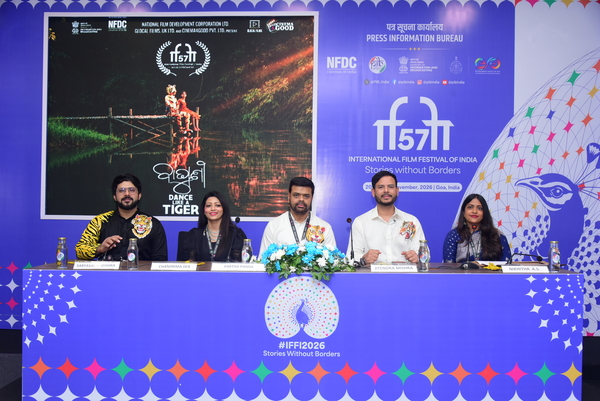
An 11-year-old girl in an Odisha village wants to learn a dance traditionally performed by men. That ambition drives Baghuni: Dance Like a Tiger, an Odia-language film directed by Jitendra Mishra that had its gala premiere at the International Film Festival of India in Goa on 22 November. The festival’s screening programme lists the film at 92 minutes and placed its gala at INOX Panjim. For Mishra, the screening marked the arrival of his first feature as a director after nearly two decades in the film industry, according to his remarks at IFFI.
Director Jitendra Mishra also wrote the film, which screened in the gala strand of the 57th festival.
A girl who wants to learn Bagha Nacha
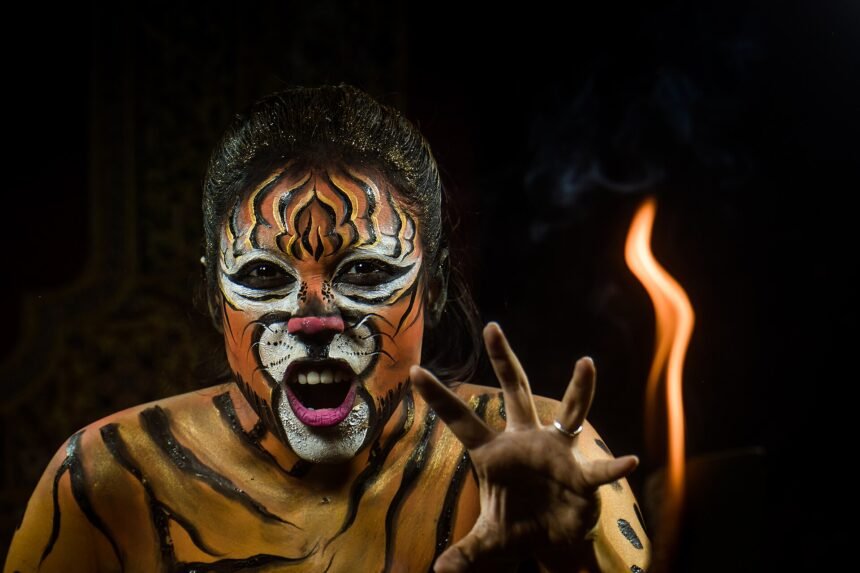
The film follows Mini, who wants to perform Bagha Nacha, the tiger dance that gives the story its setting. The Press Information Bureau’s account of the film and press conference describes Bagha Nacha as a tradition long dominated by men. It also says the film was inspired by true events. Mini is the character through whom the film explores the question of who gets to take part in a tradition that matters to their community.
At the press conference, actor Sabyasachi Mishra drew attention to the title: Baghuni means tigress. That choice puts Mini’s ambition at the front of the story. A girl may grow up familiar with the sounds, movements and occasions associated with a performance while still having few chances to learn it herself. The story’s premise is about the space between watching a tradition and being allowed to practise it.
What the cast and director brought to Goa
PIB says the filmmakers researched the subject in Berhampur, Odisha. Local children were cast following auditions in the state and trained for several months alongside Sabyasachi Mishra, who plays a Bagha Nacha performer. The actor told the press conference that preparing for the part involved learning about the ritual and the hours that can go into painting a performer’s body. The official event album identifies Archita Sahu and Chandrima Deb among the actors who joined the director and Sabyasachi in Panaji.
Jitendra Mishra said the women in his family helped inspire his approach to the story. He also described the dance as a setting for questions about courage and equal opportunity. The research and training offer a more specific way to understand those themes. If a film asks viewers to follow a child who wants to take on a physically demanding role, it matters that the performers understand the preparation behind the finished dance.
What the festival listing confirms
The event in Goa was a festival gala screening. The sources identify the language, length, director and gala venue. They give viewers a clear reference point for the film’s appearance at IFFI. Readers looking for a further festival show should check the official timetable for any additional listing. The premiere brought an Odia story to a festival audience and put its central question in plain view: what happens when a child asks to inherit a skill she has always been expected to admire from the sidelines?
Read more from Top Stories and Entertainment.
Featured image: TAPAS KUMAR HALDER, via Wikimedia Commons (CC BY-SA 4.0)