
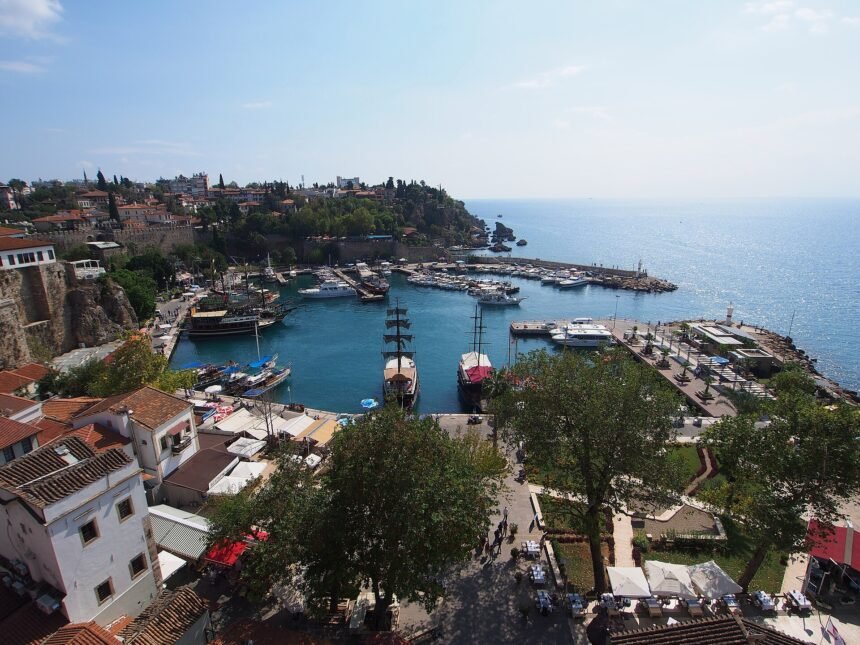
Two extra days of talks were not enough. The COP31 UN climate summit in Antalya, Türkiye, ended on Sunday, 22 November, without agreement on its main decisions. It was scheduled to run from 9 to 20 November and became the longest COP on record before it broke up.
The COP31 climate talks collapse came down to one issue: fossil fuels. A group of oil-producing countries led by Saudi Arabia blocked any text about moving away from coal, oil and gas, and pushed carbon capture technology instead.
What happened in the final hours
Around 130 countries had written to the summit presidency demanding that fossil-fuel language be included. They did not get it. The European Union called the decision to leave it out “unconscionable”. Panama and the Marshall Islands also rejected the draft text.
COP31 was unusual in having two co-presidents, Australia and Türkiye. At the close, COP31 President Murat Kurum confirmed that the decisions “have not been adopted”.
Several reports described it as the first COP since Copenhagen in 2009 to finish without a final deal. Copenhagen is still remembered as the low point of climate diplomacy, so the comparison is not a kind one.
What the UN said
UN Secretary-General António Guterres pointed to the gap between the evidence and the politics. “There is no ambiguity in the science,” he said.
UN climate chief Simon Stiell was more direct about the stakes. “The world cannot afford a repeat of this moment,” he said, according to UN News.
Why the COP31 climate talks collapse matters
To understand why this outcome hurts, it helps to look back two years. At COP28 in Dubai in 2023, countries agreed for the first time to “transition away” from fossil fuels in energy systems. Climate negotiators hoped later summits would turn that into timelines and targets.
Antalya did not build on it. That leaves the Dubai language as the high-water mark, with no clear plan for how countries will act on it.
There was also no progress on climate finance for developing countries, which has been one of the hardest issues at every recent COP. Meanwhile, the UN Environment Programme has warned that global warming will very likely pass 1.5°C within a decade.
What it means for India
India went to Antalya with a clear set of demands on finance and fairness. We covered them in our preview of what India wanted from COP31. The collapse leaves those questions open.
- Climate finance: India and other developing countries want rich nations to provide far more money for clean energy and adaptation. Without a deal, there is no new commitment to point to.
- Just transition: India still depends heavily on coal for electricity. It has argued that any phase-down must account for jobs and energy security. That debate now moves to the next summit unresolved.
- Heat and monsoon risk: slower global action means more extreme heat, erratic rainfall and coastal flooding for India, whatever the negotiators agree or fail to agree.
There is a slightly different reading too. A weak global deal puts more weight on national plans. India’s own targets on renewable capacity and emissions intensity stand regardless of what happened in Antalya.
What comes next
The next summit, COP32, will be held in Addis Ababa, Ethiopia. Expect pressure to rebuild trust well before then, through meetings of climate ministers and the regular mid-year UN climate talks in Bonn.
The question for Addis Ababa is simple: can countries agree on what to do about fossil fuels, or will the issue keep sinking COPs? Antalya has shown how hard the second scenario would be to recover from.
Reporting based on UN News and Al Jazeera.
Featured image: rheins, via Wikimedia Commons (CC BY 3.0)




