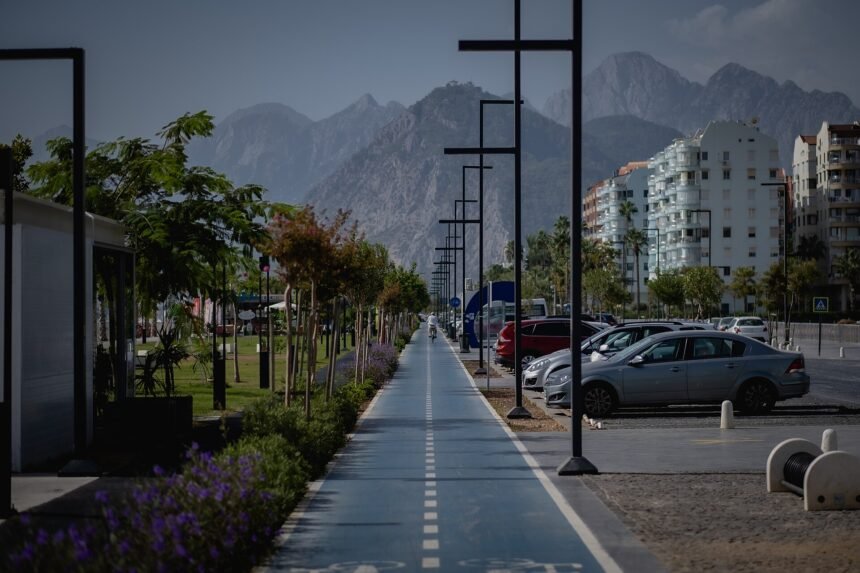
The UN climate summit COP31 is under way in Antalya, Türkiye, and world leaders are meeting there on November 11 and 12. India has gone in with a clear message: developed countries must pay and share technology, and poorer nations should not be handed new emission targets from the top.
COP31 at a glance
- Dates: November 9 to 20, 2026
- Host: Antalya, Türkiye, hosting a COP for the first time
- Who is there: delegates from 197 countries and the EU, with more than 100 heads of state expected at the leaders’ summit
- Leadership: Türkiye holds the presidency, while Australia’s climate minister Chris Bowen is President of Negotiations under a compromise reached last year
What India is asking for
Environment Minister Bhupender Yadav set out India’s positions at a briefing in New Delhi on November 3. The main points:
- Finance: India wants a formal decision to launch a Climate Finance Work Programme. It says developed countries are bound under Article 9.1 of the Paris Agreement to provide predictable, mostly public money that does not push developing countries deeper into debt.
- Adaptation: Indicators under the Global Goal on Adaptation should be voluntary, so they cannot become conditions for getting funds. India wants adaptation linked to farming, food security and small farmers.
- Technology: India calls technology transfer an obligation, and wants cost, patent and trade barriers addressed.
- Emissions: India opposes any new top-down targets and wants mitigation to stay nationally driven and non-punitive.
- Carbon markets: participation should stay voluntary.
India is working alongside the G77 and China, the Like-Minded Developing Countries group and the BASIC bloc.
The money gap
The numbers explain why finance dominates the talks. The UN Environment Programme’s Adaptation Gap Report 2026 estimates that developing countries will need about $305 billion a year for adaptation by 2035, and close to $420 billion once inflation is counted. International public finance for adaptation was only $28.2 to 31.7 billion in 2024.
Why it matters at home
For India, adaptation is not an abstract debate. Heatwaves, floods, erratic monsoons and coastal erosion already hit farm incomes and cities every year. Whatever is agreed in Antalya on finance will shape how much outside support is available for that work over the next decade.
Negotiations run until November 20. The real test will be the final text, and whether it turns promises on money into a concrete plan.
Reporting based on The Week and All India Radio News.
Featured image: Levi Meir Clancy, via Wikimedia Commons (CC0)