
Washing clothes in winter is easy. Getting them dry is the hard part. Short days, foggy mornings and cold, damp air mean a pair of jeans can take two days on the line and still come in smelling musty. Here is how to dry clothes in winter faster, without turning your home into a damp cave.
Start in the machine
The less water left in the fabric, the faster it dries. If your washing machine lets you choose, set the spin speed to the highest the fabric allows. Most cottons and towels can take a fast spin. Run an extra spin cycle for heavy items like jeans and bedsheets. It costs very little electricity and can cut drying time noticeably.
Do not overload the drum. Packed loads come out wetter and more creased.
How to dry clothes in winter: use whatever sun there is
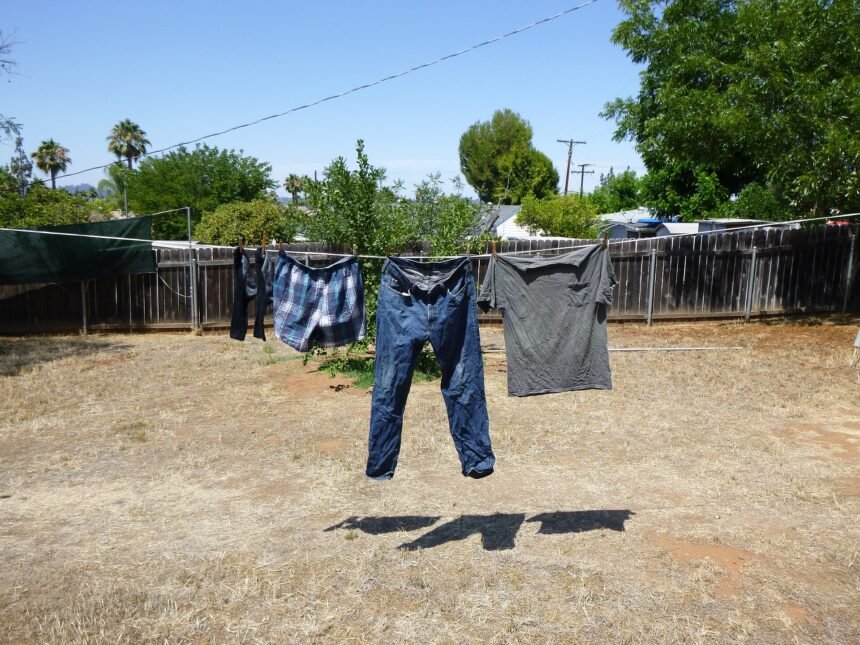
Even weak winter sun dries clothes far better than shade. Watch the weather. On a clear day, hang clothes out by 10 am and bring them in by 3 or 4 pm, before the evening dew settles. Leaving them out overnight undoes the day’s work.
- Hang darker clothes inside out so they do not fade.
- Shake each item hard before hanging. It loosens fibres and reduces creases.
- Leave a hand’s width between clothes so air can move.
- Hang shirts and kurtas on hangers, and fold bedsheets over two lines rather than one to open up more surface.
Drying indoors without the damp smell
On foggy or smoggy days you will need to dry indoors. A few rules keep it from going wrong:
- Pick the right room. A room with a window you can open slightly, or a bathroom with an exhaust fan, works best. Avoid bedrooms, where extra moisture overnight is unpleasant and can encourage mould on walls.
- Keep air moving. A ceiling fan on low speed makes a big difference. A table fan pointed at the drying stand works even better.
- Use a folding stand. Spread clothes out rather than draping them over doors and chairs, where they dry unevenly.
- Do not dry on heaters. Draping clothes over a room heater or oil heater is a fire risk and can damage the heater. Keep a safe distance.
- Do small loads. Washing a little every day dries faster than one huge weekend load with nowhere to hang it.
Fixing the musty smell
That stale smell comes from bacteria growing on fabric that stays damp too long. To prevent it, never leave washed clothes sitting in the machine. Hang them as soon as the cycle ends. If clothes already smell, rewash them with half a cup of white vinegar in the rinse cycle, or soak for 30 minutes in water with two tablespoons of baking soda before washing.
Also clean the machine. Run an empty hot cycle once a month and wipe the rubber door seal, where grime collects.
Special care for woollens and towels
Never hang wet sweaters. The weight of the water stretches them. Roll them in a dry towel to squeeze out moisture, then lay them flat on a stand or bed sheet. Our guide on washing and storing woollens has more on this.
Towels dry quickest when hung by their short edge, and should be fully dry before folding. A towel stored even slightly damp will smell in a day.
Is a dryer worth it?
If you live in a fog-prone city and have a large family, a dryer or a washer-dryer can save time through December and January. They do use more electricity than a washing machine alone. For most homes, a high spin, a folding stand and a fan are enough to get through the season.
Quick tips
- Iron slightly damp clothes. The heat finishes the drying and the creases come out easier.
- Bring clothes in before evening fog rolls in.
- Keep a few extra sets of school uniforms and office shirts in rotation during the coldest weeks.
Featured image: el cajon yacht club, via Wikimedia Commons (CC BY 2.0)




