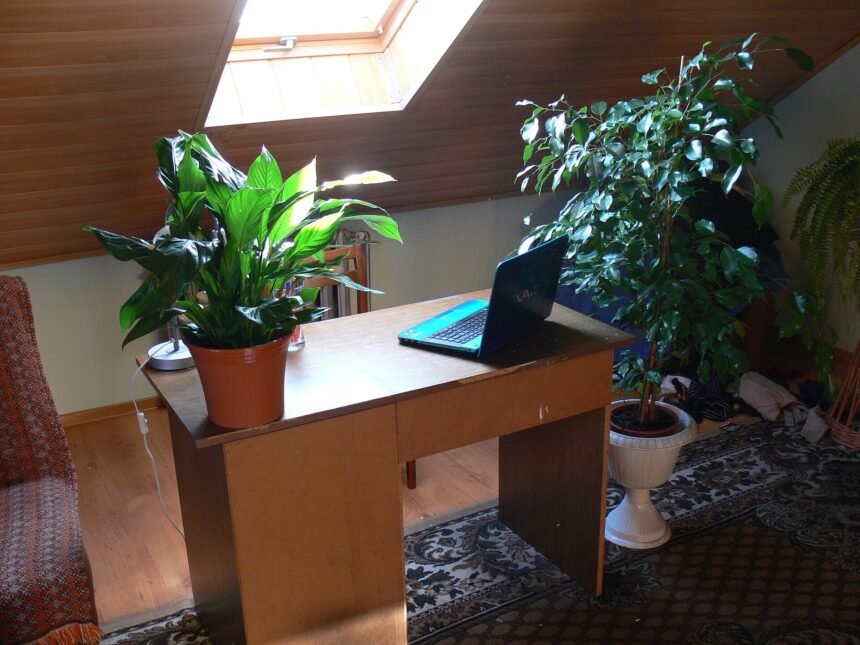
Most houseplants do not die in winter from cold. They die from too much water. Growth slows when days are short, yet many of us keep watering on the same summer schedule. This guide to indoor plant care in winter covers what changes between December and February in Indian homes, and the small adjustments that keep money plants, snake plants and peace lilies healthy until spring.
Why plants need less from you now
Shorter days mean less light, and less light means slower growth. A plant that is barely growing uses very little water, so the soil stays wet for longer. Wet, cold soil is exactly what root rot needs. In north India, add cold nights and room heaters that dry the air, and you have a season of mixed signals.
Indoor plant care in winter: watering
Forget the calendar. Push a finger about two inches into the soil. Water only when it feels dry at that depth. For most common houseplants that works out to once every 10 to 14 days in winter, compared with twice a week in May.
- Snake plant, ZZ plant, jade and succulents: once in three to four weeks is often enough.
- Money plant (pothos), spider plant, syngonium: every 10 to 12 days.
- Peace lily and ferns: they like steady moisture, so check weekly. A peace lily will droop dramatically when thirsty and recover within hours.
Use water at room temperature. Water straight from a cold tap or a terrace tank on a December morning can shock roots. Water in the late morning so the top layer has time to dry before night.
Move them closer to light
Winter sun is lower and weaker, which is good news for plants that would scorch in summer. Shift pots closer to east or south-facing windows. Turn each pot a quarter every week so it does not lean. Wipe dust off leaves with a damp cloth. A dusty leaf gets noticeably less light.
Watch out for heaters and cold glass
Keep plants at least a metre from room heaters and blowers. Hot, dry air browns leaf edges fast. At the same time, leaves touching a window pane on a cold night can get chilled. A small gap is enough.
If the air feels very dry, group plants together or set pots on a tray of pebbles with a little water below the pot base. Misting helps for a short while but is not a fix.
Hold off on fertiliser and repotting
Plants that are resting cannot use extra nutrients, and the salts can build up and burn roots. Stop feeding from December and start again in late February when you see new leaves. The same goes for repotting. Unless roots are pushing out of the drainage hole, wait for spring.
Balcony plants in north India
On open balconies, frost is rare in the plains but cold winds and smog are not. Bring tender plants such as tulsi and money plant in on the coldest nights, or cover them loosely with a cotton cloth. Rinse leaves now and then if a layer of dust and soot builds up. Winter is also a good season for flowering plants like marigold, petunia and calendula, which you can sow now.
Signs something is wrong
- Yellow lower leaves and soggy soil: overwatering. Let the pot dry out.
- Crispy brown tips: dry air or a heater nearby.
- Long, pale stems reaching sideways: not enough light.
- Tiny flies around the soil: fungus gnats, which love wet soil. Water less.
If dust and smog are your bigger worry, our guide on cleaner air indoors during smog season has more practical steps.
Featured image: Pedros.lol, via Wikimedia Commons (CC BY-SA 3.0)