
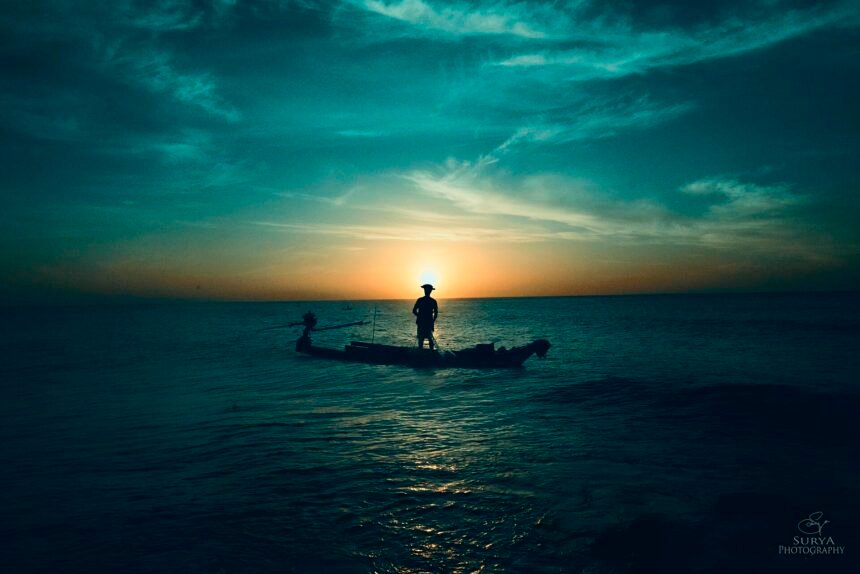
If your family is planning a wedding, griha pravesh or mundan this winter, the dates you will hear about most are those of Kharmas 2026. This roughly month-long period begins when the Sun enters Dhanu (Sagittarius) on December 16, 2026, and ends when it moves into Makar (Capricorn) on January 14, 2027. Many Hindu families in north India avoid new auspicious ceremonies during this time.
Kharmas 2026 start and end dates
For New Delhi:
- Kharmas begins: Wednesday, December 16, 2026, with Dhanu Sankranti at 10:29 AM
- Dhanu Sankranti punya kaal: 10:29 AM to 04:00 PM
- Maha punya kaal: 10:29 AM to 12:13 PM
- Kharmas ends: with Makar Sankranti, as the Sun enters Makar at 09:14 PM on January 14, 2027
- Makar Sankranti observed: Friday, January 15, 2027, with punya kaal from 07:15 AM to 05:46 PM
Because the Sun changes sign late at night on January 14, the Makar Sankranti festival and its holy dip fall on January 15. Wedding muhurats typically resume after that, depending on other planetary factors that your family priest will check.
What Kharmas means
Kharmas, also spelt Kharmaas or Malmas in some regions, happens twice a year: when the Sun moves through Dhanu in December-January and through Meen (Pisces) in March-April. Both signs are ruled by Jupiter (Guru). The traditional explanation is that when the Sun stays in Jupiter’s signs, Jupiter’s beneficial influence is considered weakened, so the period is not seen as right for starting major life events.
A popular folk story gives the name its meaning. The Sun’s chariot horses grew tired and thirsty after endless travel, so the Sun god swapped them for donkeys (khar) for a month. The chariot moved slowly, and the Sun’s energy was said to be dimmer. When the month ended, the horses returned.
What people usually avoid during Kharmas
- Weddings and engagements
- Griha pravesh (moving into a new house)
- Mundan and other samskaras
- Starting construction or laying a foundation
- Buying a new house or launching a new business, in some families
How strictly this is followed varies. Some families also avoid buying gold or vehicles. Others consider only weddings and griha pravesh off-limits.
What is considered good during Kharmas
Kharmas is not an unlucky time. It is seen as a month for devotion rather than celebration:
- Surya worship: offering water (arghya) to the rising Sun each morning.
- Daan: giving warm clothes, blankets, food and sesame to people in need is especially encouraged in the cold weeks.
- Scripture reading: many people read the Bhagavad Gita, Ramayana or Vishnu Sahasranama daily.
- Pilgrimage and holy dips: rivers and tirthas are visited, particularly around Ekadashi and Purnima.
Dhanurmas in the south
In Tamil Nadu and Andhra Pradesh, the same solar month is known as Margazhi or Dhanurmas. It is a deeply devotional season: Andal’s Tiruppavai is recited at dawn in Vishnu temples, and women draw elaborate kolams outside homes. Here too, weddings are generally not held.
Festivals that still fall in this window
Several observances fall inside Kharmas, including Mokshada Ekadashi and Gita Jayanti on December 20, and the Margashirsha Purnima period. Saphala Ekadashi follows on January 3, 2027. If you want to fix a wedding in December, the days before December 16, such as around Vivah Panchami, are the last window, though families in parts of Mithila avoid that particular day.
Exact muhurats depend on the couple’s horoscopes and local panchang, so consult your family priest or astrologer before fixing a date.
Dates based on Drik Panchang Dhanu Sankranti and Makar Sankranti timings for New Delhi, India.
Featured image: Surya1112, via Wikimedia Commons (CC BY-SA 4.0)




