Mokshada Ekadashi falls on Sunday, 20 December 2026. The same day is also marked as Gita Jayanti, the day many Hindus believe Lord Krishna spoke the Bhagavad Gita to Arjuna on the battlefield of Kurukshetra. In South India, the same Ekadashi is observed as Vaikuntha Ekadashi.
Here is a practical guide to the date, the tithi timings, the parana window and what the day involves. All timings below are for New Delhi. They shift by a few minutes in other cities, so check a local panchang if you live elsewhere.
Mokshada Ekadashi 2026: date and tithi timings
According to Drik Panchang, the Ekadashi tithi of Margashirsha Shukla Paksha runs as follows in New Delhi:
- Ekadashi tithi begins: 10:09 PM, Saturday, 19 December 2026
- Ekadashi tithi ends: 8:14 PM, Sunday, 20 December 2026
- Fasting day: Sunday, 20 December 2026
- Parana (breaking the fast): Monday, 21 December 2026, roughly 7:10 AM to 9:13 AM
The tithi begins late on Saturday night, but the fast is kept on Sunday. That is because Ekadashi is usually observed on the day the tithi is present at sunrise. Sunrise in Delhi on 20 December is around 7:08 AM.
The parana window of about 7:10 AM to 9:13 AM is listed by AstroSage and also cited by Hindutone from Drik Panchang. Drik Panchang’s ISKCON calendar gives a wider window for Vaishnava followers, from 7:10 AM to 10:36 AM on 21 December. Families who follow a specific sampradaya or temple calendar usually go by that calendar.
Why the day is called Mokshada
“Mokshada” roughly means “the giver of moksha”, or liberation. The story most often told with this vrat involves a king named Vaikhanasa. In the legend, he dreams that his late father is suffering in the afterlife. A sage advises him to observe this Ekadashi and offer its merit to his father, who is then said to be freed.
Because of this story, many devotees keep the fast with their ancestors in mind. It is a belief rooted in the Puranic tradition, and practices differ from family to family.
The month itself carries weight for Krishna devotees. In the tenth chapter of the Gita, Krishna says that among months he is Margashirsha. That verse is one reason the month is linked so closely with Vishnu and Krishna worship.
Gita Jayanti on the same day
Gita Jayanti marks the traditional anniversary of the Bhagavad Gita. The text is a conversation of 700 verses between Krishna and Arjuna, set just before the Mahabharata war. Tradition places it on Margashirsha Shukla Ekadashi, which is why both observances share the date.
On this day, many temples and households hold a reading of the full Gita or of selected chapters. Some people read one chapter, while others take up the twelfth chapter on bhakti or the fifteenth chapter, which is often recited before meals. Kurukshetra in Haryana, where the conversation is believed to have taken place, holds large Gita celebrations around this time each year.
You do not need to fast to mark Gita Jayanti. Reading even a few verses with their meaning is a common and simple way to observe it.
How the fast and puja are usually observed
Customs vary, but the general pattern looks like this:
- Many people eat a light, sattvic meal before sunset on Dashami (19 December) and avoid grains from then on.
- On Ekadashi morning, devotees bathe, take a sankalp and worship Vishnu or Krishna with tulsi leaves, flowers, a diya and fruit.
- The fast can be nirjala (without water), phalahar (fruit and milk) or a single simple meal without grains, depending on health and family custom.
- Rice, wheat, pulses, onion and garlic are commonly avoided. Chanting Vishnu Sahasranama or reading the Gita is popular.
- Some devotees stay awake for night-long bhajans, though this is optional.
Parana should be done on Dwadashi morning within the listed window. Tradition advises against breaking the fast during Hari Vasara, the first quarter of Dwadashi, and recommends finishing before Dwadashi ends. In New Delhi, Dwadashi ends at about 5:36 PM on 21 December, per Hindutone. Giving food or a small donation to someone in need before eating is a common custom.
A note on health
Fasting is a personal choice, not a requirement. Pregnant or breastfeeding women, older people, children and anyone with diabetes, low blood pressure, heart or kidney conditions, or on regular medication should consult a doctor before fasting. A fruit-and-milk fast or simply skipping grains is a gentler option. In the cold of December, it helps to drink enough water if your custom allows it.
Information based on Drik Panchang, Drik Panchang (ISKCON), AstroSage and Hindutone.
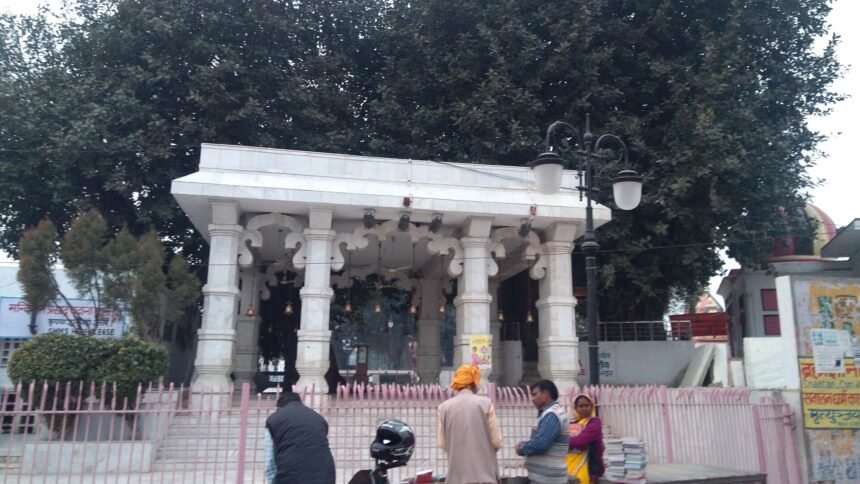
Featured image: आशीष_भटनागर, via Wikimedia Commons (CC BY-SA 3.0)