
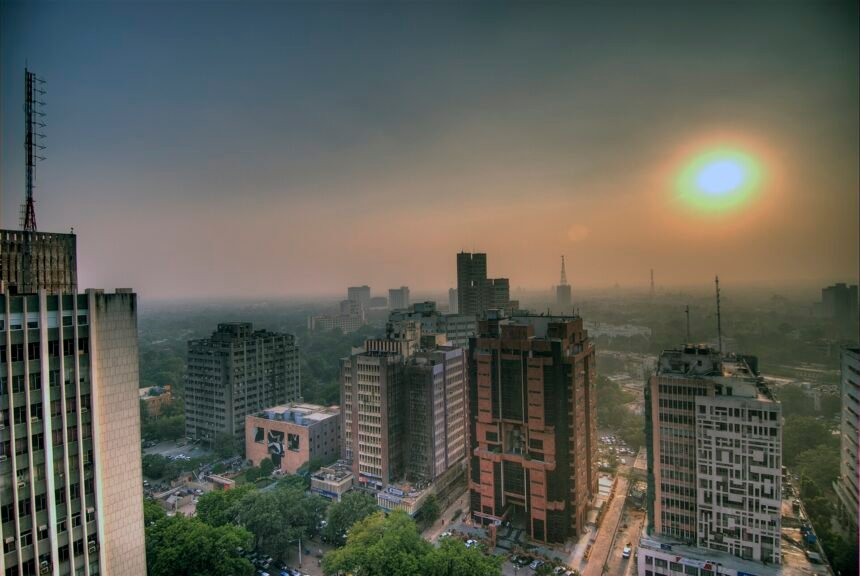
Smog season is hard on everyone, but it is hardest on small children and older family members. With Delhi-NCR’s air swinging between “very poor” and “severe” through much of November, protecting kids and elderly from smog has become a daily household job across north India. The most useful steps are simple, cheap and backed by advice from the Union Health Ministry and the World Health Organization.
Why children and older people are more at risk
The Health Ministry’s advisory on air pollution lists children under five, older adults, pregnant women and people with asthma, other lung disease or heart disease as vulnerable groups. Children breathe faster than adults and their lungs are still growing, so they take in more polluted air for their size. The WHO calls air pollution “one of the greatest environmental risks to child health.”
For older people, the danger is mostly to the heart and blood vessels. WHO estimates that ambient air pollution caused 4.2 million premature deaths worldwide in 2019, and about 68 percent of those were from heart disease and stroke. That is why a grandparent with high blood pressure or diabetes needs extra care on bad-air days.
Read the AQI and plan the day around it
The first habit is to check the Air Quality Index every morning, either on the CPCB’s SAMEER app or a trusted weather app. The Health Ministry’s advisory links each AQI band to clear advice for vulnerable people:
- 51-100 (Satisfactory): cut down on long or strenuous outdoor activity.
- 101-200 (Moderate): avoid long or strenuous outdoor exertion.
- 201-300 (Poor): avoid outdoor physical activity altogether.
- 301 and above (Very Poor and Severe): stay indoors and keep activity low.
In practice, this means shifting grandparents’ morning walks indoors, or to a short stroll around midday when the air is often a little better. The advisory specifically warns against walking, jogging or exercising outdoors in the early morning and late evening on poor to severe days, when pollution tends to sit close to the ground. For children, it means indoor play instead of the park, and asking the school about outdoor assemblies and sports.
Make the home a cleaner-air zone
Most of us spend the bulk of the day indoors, so small changes inside count. The advisory suggests keeping doors and windows shut in the morning and late evening, and airing rooms between 12 pm and 4 pm if needed.
- Wet-mop floors instead of sweeping, which only throws dust back into the air. If you vacuum, use one with a HEPA filter.
- Do not burn incense sticks or mosquito coils in closed rooms, and keep the house smoke-free. No smoking indoors, ever.
- Cook and heat with gas or electricity rather than wood, coal or kerosene.
- If you run an air conditioner, keep it on recirculate mode.
- If you buy an air purifier, follow the maker’s instructions, change filters on time, and avoid models that produce ozone.
If you have only one purifier, put it in the room where the child or elderly person sleeps. That is where they spend the longest unbroken stretch of time.
Masks: what works and what does not
When stepping out is unavoidable, a well-fitted N95 or N99 mask can help, according to the Health Ministry. It has to fit snugly over the nose and mouth, and should be replaced as the instructions say. Cloth masks, paper masks, handkerchiefs and scarves are not effective against fine particles.
Small children’s faces are often too small for a proper seal, and older people with breathing or heart problems may find tight masks uncomfortable, so ask your doctor first. For these groups, reducing time outdoors matters more than any mask.
Food, water and warning signs
The advisory recommends a healthy diet with plenty of fruits and vegetables, enough water through the day, rinsing eyes with clean running water and gargling with warm water.
Keep prescribed inhalers and heart medicines stocked and within reach, and do not skip doses. Watch for breathlessness, persistent cough, chest pain or discomfort, dizziness, or red and watery eyes. The Health Ministry advises consulting a doctor if these appear, and seeking urgent help if symptoms worsen in someone with an existing lung or heart condition.
Note: This article is general information, not medical advice. Parents of infants, pregnant women and anyone with asthma, COPD, heart disease or another chronic illness should consult their doctor for a personal plan during the smog season.
Reporting based on NCDC, Ministry of Health and Family Welfare: Advisory on Air Pollution and Health, World Health Organization: Ambient air quality and health, Central Pollution Control Board.
Featured image: wili hybrid, via Wikimedia Commons (CC BY 2.0)

