India’s retail inflation rose to 6.09% in October 2026, crossing the Reserve Bank of India’s upper comfort limit of 6% for the first time in about two years. The figure, released on November 12, was up from 5.54% in September. It confirms what many households have been feeling at the vegetable market for weeks.
The RBI’s job is to keep consumer price inflation between 2% and 6%, with 4% as the medium-term target. A reading above 6% is a clear warning sign, and it puts fresh pressure on the central bank ahead of its December policy meeting.
Food is doing most of the damage
Food inflation climbed to 8.94% in October from 7.74% a month earlier. Some kitchen staples have become far more expensive than a year ago:
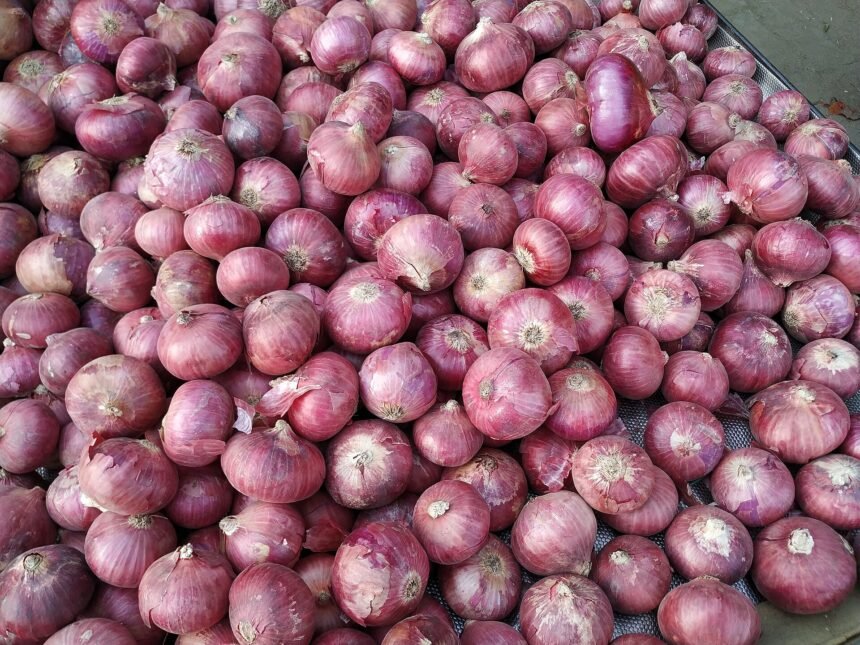
- Onion: up 116.22%
- Garlic: up 60.74%
- Ginger: up 48.32%
- Lemon: up 47.30%
Silver jewellery, at 52.39%, was also among the items with the sharpest price rise. Inflation picked up in 11 of the 12 broad categories tracked. Restaurant and accommodation services rose 10.06%, food and beverages 8.51%, and personal care and miscellaneous goods and services 10.14%.
Why prices are rising
Several pressures are adding up at the same time. Economists point to higher food and transport costs, worries about a weak monsoon and low reservoir levels that could hurt the rabi crop, and higher energy and raw material costs that are slowly feeding into the prices of other goods and services.
Fuel is a big part of the story. The West Asia conflict pushed crude oil sharply higher this year, and a weaker rupee made imports costlier. Crude has eased in recent weeks and the rupee has firmed a little, which offers some relief, but those gains take time to show up in shop prices.
What economists expect from the RBI
The RBI raised its repo rate by 25 basis points to 5.50% in October, its first hike in nearly four years. Most economists now expect another increase when the Monetary Policy Committee meets from December 2 to 4.
- ICRA’s chief economist Aditi Nayar said a 25 basis point hike in December looks “almost certain,” and expects food and beverage inflation to stay above 8% in November because of milk, sugar and onions.
- DBS Bank’s Radhika Rao said headline inflation has not yet peaked and expects a second straight hike.
- Vikram Chhabra of 360 ONE Asset also expects a 25 basis point increase, though he noted that cheaper crude and a stronger rupee give the RBI a little room.
What it means for you
For ordinary families, the most direct effect is on the monthly grocery bill. When onions, garlic and ginger all rise at once, it shows up in almost every Indian kitchen. Eating out is getting costlier too.
A rate hike in December would affect borrowers. Home, car and personal loans linked to the repo rate could see higher EMIs within a few months. On the other side, fixed deposit rates usually tend to rise when the RBI tightens, which helps savers.
A few simple steps can help in the meantime:
- Review any floating-rate loans and check how much your EMI would rise with a 0.25% increase.
- Buy seasonal vegetables, which are usually cheaper and fresher in winter.
- If you are planning a big purchase on a loan, compare lenders now, before rates move again.
What to watch next
The November inflation data, due in mid-December, will show whether October was the peak. The RBI’s December decision will be the bigger signal. If food prices start easing with the winter harvest, the pressure could fade early next year. If not, borrowers should be ready for a longer period of higher rates.
Reporting based on Outlook Business and Indian Opinion.
Featured image: Ravi Dwivedi, via Wikimedia Commons (CC BY-SA 4.0)