Milk got costlier in Delhi-NCR from Thursday, November 12. Mother Dairy, the biggest milk supplier in the region, raised prices of its liquid milk by Rs 2 to Rs 4 a litre. Reports say Amul has also revised the rates of some of its popular packs. For a family that buys two litres a day, the change adds up to a noticeable amount every month.
This is the second milk price increase from Mother Dairy this year. The company last raised prices on May 14, 2026. Before that, the previous revision was in April 2025.
Mother Dairy’s new milk prices
Here are the old and new rates per litre in Delhi-NCR, as reported by PTI and Business Standard:
- Full cream milk (pouch): Rs 72 to Rs 76, up Rs 4
- Cow milk: Rs 62 to Rs 65, up Rs 3
- Toned milk (pouch): Rs 60 to Rs 62, up Rs 2
- Toned milk (bulk vended, token milk): Rs 58 to Rs 60, up Rs 2
- Double toned milk: Rs 54 to Rs 56, up Rs 2
Full cream milk sees the steepest rise. Toned and double toned milk, which many households use for tea and daily cooking, go up by Rs 2.
What about Amul?
According to IBTimes India, Amul Taaza (toned milk) has moved from Rs 60 to Rs 62 a litre and Amul Gold (full cream) from Rs 76 to Rs 80, also from November 12. The report said Amul Shakti and Amul Tea Special are affected too, but it did not list their new prices. Readers should check the rate printed on the pack or with their local retailer, since prices can differ by city.
Amul had already raised prices of some dairy products this month. Business Standard reported that Amul ghee went up by Rs 50 a litre from November 2, with one litre of ghee moving from Rs 630 to Rs 680. A 500 g pack of table butter rose from Rs 310 to Rs 325.
How much more will a household pay?
A rough estimate helps here. These are our own calculations, not company figures.
- A family buying 1 litre of full cream milk a day will spend about Rs 120 more in a 30-day month.
- A family buying 2 litres of toned milk a day will spend about Rs 120 more a month.
- A family using 1 litre of cow milk a day will pay about Rs 90 more a month.
Why milk prices are rising
Mother Dairy did not give a detailed statement. A company spokesperson declined to comment, PTI reported. Sources quoted in the reports pointed to higher costs across the supply chain.
- Procurement prices: Dairies are paying farmers more for raw milk. Mother Dairy says it passes 75 to 80 per cent of its milk sales realisation to farmers, so higher procurement costs show up quickly in retail prices.
- Feed and fodder: Business Standard reported that cattle feed in September 2026 cost about 15 to 20 per cent more than a year earlier. Maize, de-oiled rice bran and soya-based ingredients have all become dearer.
- Other costs: Diesel, transport and packaging costs have gone up.
- Weak monsoon: A below-normal monsoon is expected to hurt milk output in some areas.
- Demand for real paneer: After a nationwide crackdown on analogue paneer, more buyers are choosing paneer made from milk, which has pushed up demand.
October to February is usually the flush season, when cows and buffaloes give more milk and prices tend to soften. This year, industry sources expect prices to stay high through that period because of the cost pressures.
Other states have also raised rates
Delhi is not alone. Karnataka Milk Federation raised the price of Nandini milk by Rs 8 a litre from November 1, and curd by Rs 14 a litre, Business Standard reported. Maharashtra approved a Rs 2 a litre increase in cow and buffalo milk prices in August.
What it means for inflation
Milk carries a large weight in India’s retail inflation basket. National Statistics Office data showed food inflation rose to 7.74 per cent in September from 5.97 per cent in August, and retail inflation was 5.54 per cent. A rise in the price of a daily staple like milk is likely to add to that pressure in the coming months.
Mother Dairy sells about 35 lakh litres of milk a day in Delhi-NCR and more than 50 lakh litres a day overall. Its pricing tends to influence other suppliers in the region, so smaller brands may also revise their rates.
Reporting based on The Federal (PTI), Business Standard and IBTimes India.
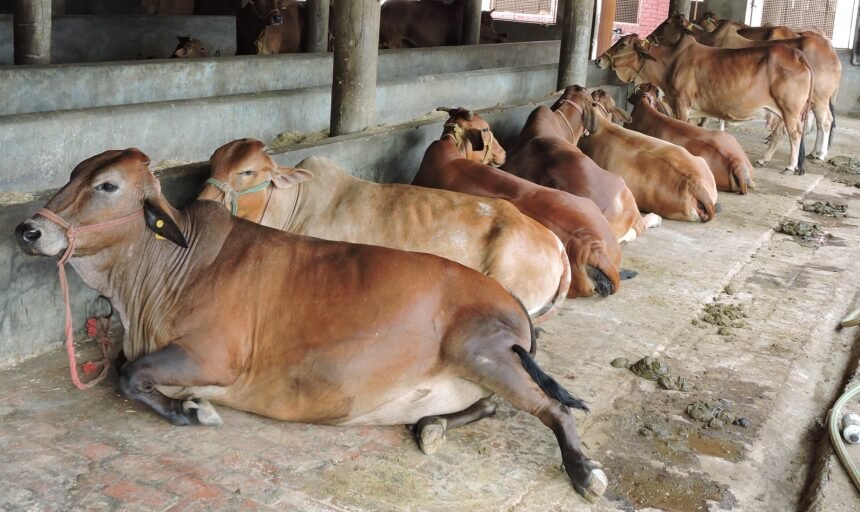
Featured image: Harvinder Chandigarh, via Wikimedia Commons (CC BY-SA 4.0)