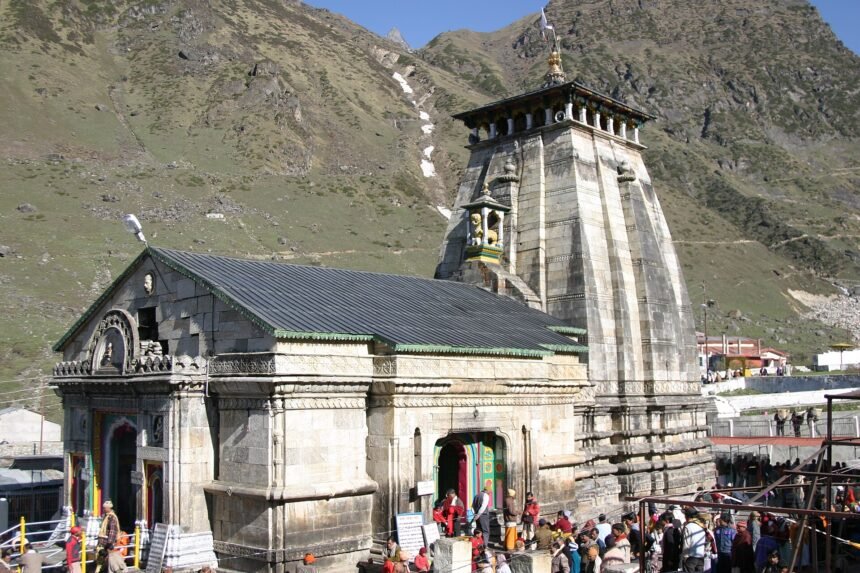
The doors of Kedarnath Dham closed for the winter at 8:30 am on Wednesday, November 11, on the day of Bhai Dooj. With that, the busiest pilgrimage season the Himalayan shrine has seen in years came to a quiet end. Snow is expected on the upper slopes within weeks, and the temple will stay shut until spring.
The same morning, Yamunotri Dham in Uttarkashi district closed at 10:28 am. Gangotri had closed a day earlier, on November 10, to coincide with Annakoot. Of the four Char Dham shrines, only Badrinath remains open for now, and it is expected to close later this month as per the date fixed by the temple committee.
Where Baba Kedar goes in winter
Closing the kapat is not just a matter of locking a door. After the final puja, the panchmukhi utsav idol of Lord Kedarnath is placed in a decorated palanquin, the doli, and carried down the mountain by priests and devotees. Its winter home is the Omkareshwar Temple at Ukhimath, about 40 km by road from Gaurikund, where daily worship continues until the shrine reopens.
The doli usually halts overnight on the way, and villages along the route turn out to receive it. For many families in the Kedar valley, this walk is as important as the opening ceremony in spring.
Goddess Yamuna’s palanquin, in the same way, has moved to her winter seat at Kharsali village, a short distance below Yamunotri.
A season of very large numbers
Kedarnath alone received more than 19.20 lakh devotees this year, according to figures reported at the close of the yatra. Across all four Char Dham shrines, more than 64 lakh pilgrims made the journey during the 2026 season.
Those numbers put real pressure on the 16 km trek from Gaurikund, on helicopter services, on parking at Sonprayag and on the small hotels and dharamshalas along the route. Online registration, staggered darshan slots and crowd control at the temple courtyard were used through the season to keep queues moving.
For local people, the yatra is the main source of income for the year. Pony and palki operators, porters, shopkeepers and homestay owners earn most of their annual living in these few months. The end of the season means many of them now head down to lower towns until April or May.
Can you still visit in winter?
Yes, but not the main temple. Devotees who want darshan of Baba Kedar during the winter months can travel to the Omkareshwar Temple in Ukhimath, which is reachable by road and does not need a trek. Similarly, Yamuna devotees go to Kharsali, and Gangotri’s winter seat is at Mukhba village near Harsil.
A few practical points if you are planning a winter trip to the region:
- Roads can close for hours after snowfall. Check with the district administration or local police before you set out.
- Carry proper woollens, gloves and a warm cap. Night temperatures in Ukhimath and Guptkashi drop close to freezing in December and January.
- Many hotels on the upper route close for the season, so book a stay in Ukhimath, Guptkashi or Rudraprayag in advance.
- Elderly travellers and anyone with heart or breathing problems should speak to a doctor before travelling to high altitude in winter.
When will Kedarnath reopen?
The opening date for the next season is not fixed in advance. By long tradition, it is announced on Mahashivratri at the Omkareshwar Temple in Ukhimath, after priests consult the panchang. In most years the doors open in late April or May, around the time of Akshaya Tritiya.
Until then, the temple stands under snow, and the town around it is almost empty, guarded by a small team of police and staff who stay back through the winter.
For the lakhs who climbed to the shrine this year, the season’s close is a reminder of how short the window is. If Kedarnath is on your list for 2027, the Mahashivratri announcement is the date to watch, and booking early will save you a lot of trouble once registrations open.
Reporting based on Dainik Jagran English and CareerIndia.
Featured image: Shaq774 at en.wikipedia, via Wikimedia Commons (Public domain)