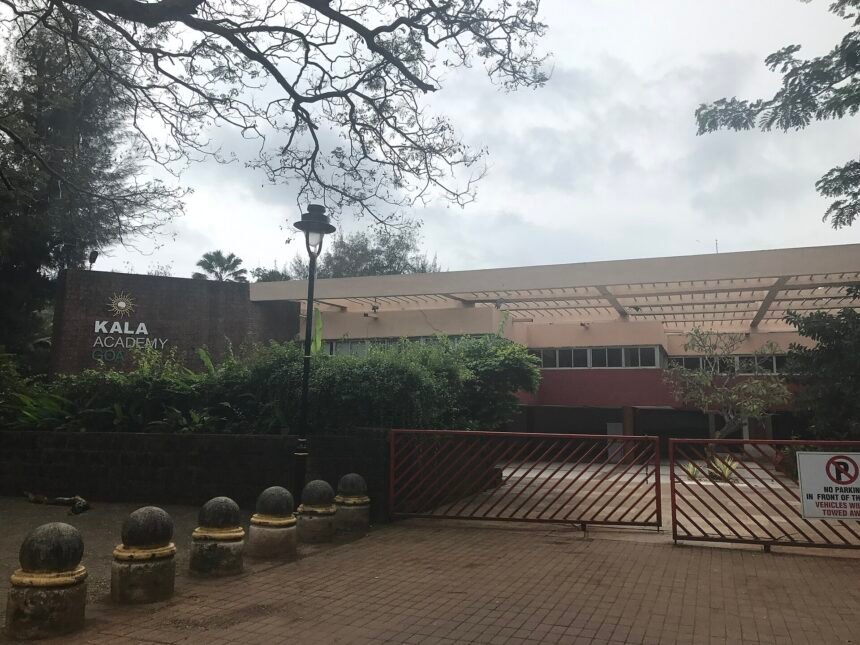
Five teams of young filmmakers were given 48 hours to turn an idea into a short film in Goa. The challenge opened on 21 November at Kala Academy as part of Creative Minds of Tomorrow, a programme at the International Film Festival of India. Its sixth edition brings together 100 participants from across India. Their specialisms range from writing and acting to cinematography, sound, costume and post-production. For participants, the deadline tests whether people accustomed to different parts of filmmaking can make decisions quickly enough to deliver a finished film together.
What the teams were asked to make
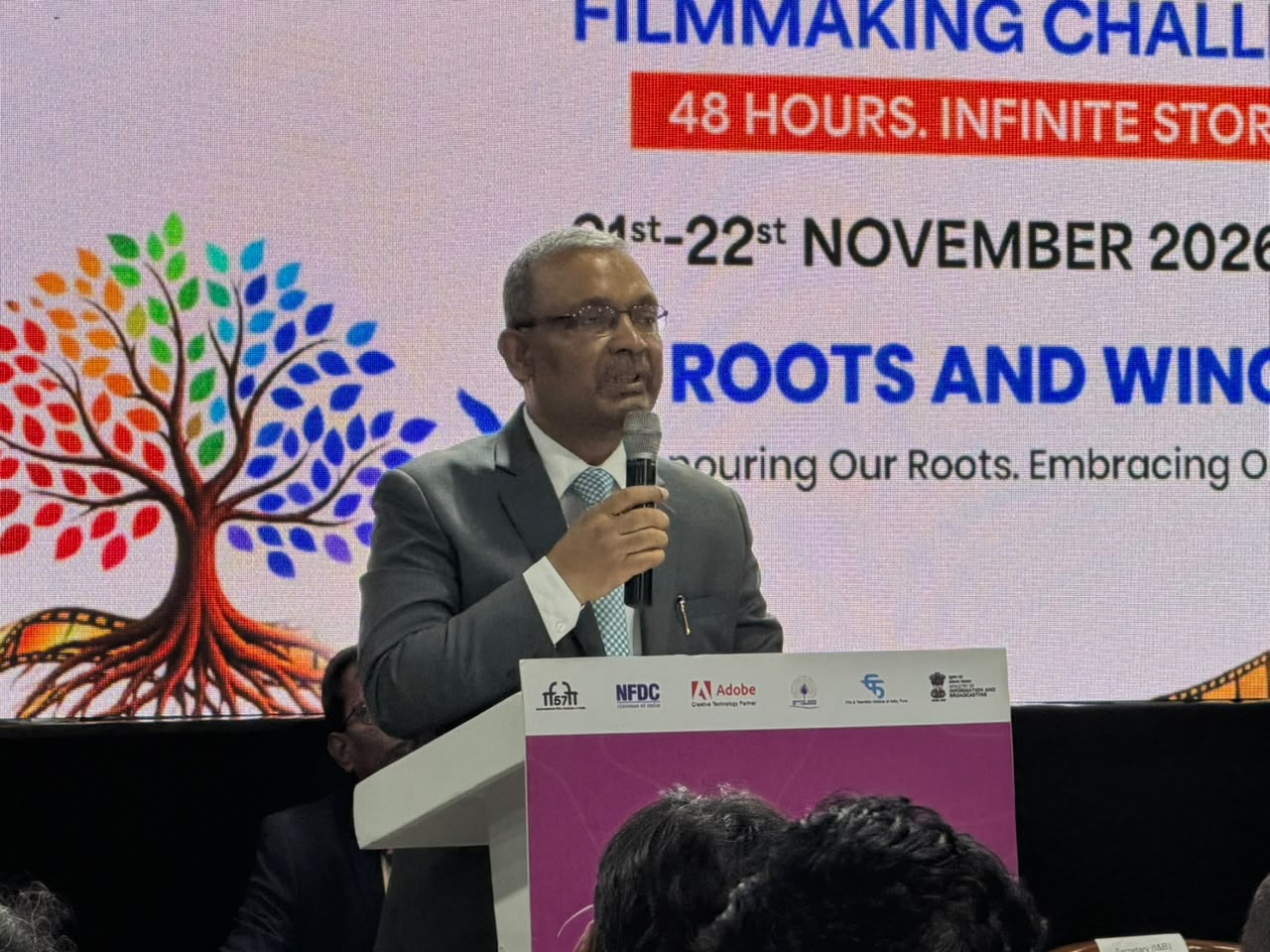
The Film and Television Institute of India in Pune is conducting the challenge in collaboration with the National Film Development Corporation. The official launch announcement says the teams were asked to conceive and produce short films within the 48-hour window. It says the completed films are to be screened at IFFI and assessed by a jury of film professionals. Information and Broadcasting Secretary Chanchal Kumar marked the opening by clapping a film slate.
The theme is Roots and Wings. At the launch, Kumar encouraged participants to draw on the places, languages and experiences they know. For a team deciding which idea it can finish, that leaves room for a story built around an ordinary conversation or a familiar setting. The time limit then forces practical decisions about what can be filmed, how the dialogue will be recorded and how much material an editor can handle before delivery.
How different crafts shape the result
The programme announcement groups the cohort’s work into 13 filmmaking crafts. Several of those skills can affect a scene long before a camera starts rolling. Costume and art direction can show how a character spends their working day. The sound team can spot a location where traffic will swamp a quiet line. A subtitler can help the team think through how an exchange might read to someone unfamiliar with the language in which it is performed.
Once the footage is in the edit, each missing detail can cost time. If the camera never captured how someone crossed a room, an editor may have to rethink the order of the scene. If a recording is unclear, the team may need another take or a fresh voice recording. Those are examples of the choices a deadline makes more visible. The films themselves will show which choices each group made.
What happens beyond the challenge
The programme also includes a Talent Camp designed to introduce participants to production houses, studios, broadcasters and streaming platforms. PIB reports that a casting company selected 18 participants from the previous edition, one example of how those introductions can lead to further opportunities. For this year’s teams, the immediate milestones are the screenings and jury evaluation described at the launch. The official IFFI site carries festival information through 28 November.
The festival screening gives an audience a different way to judge what can be achieved in two days. A short may depend on a single performance, on careful use of sound or on a location the team can make work within the allotted time. Each approach asks the crew to spend its limited time on different things.
Read more from Top Stories and Entertainment.
Featured image: Alisha Nicole Carvalho, via Wikimedia Commons (CC BY-SA 4.0)