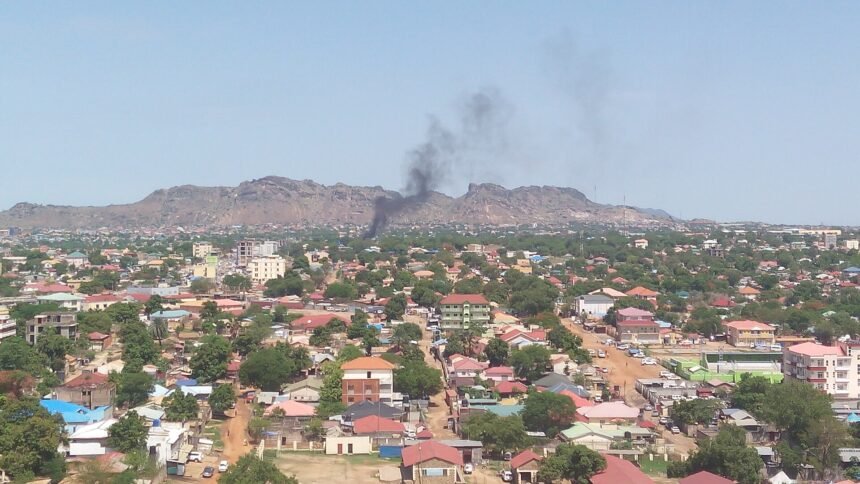
South Sudan has pushed back its first-ever national elections again. The vote for president and parliament, due on 22 December, will now be held on 11 February 2027, the country’s National Elections Commission said on Saturday. Results are expected four days after polling.
The commission posted a revised calendar on social media. Its secretary general, Ahon Malou Lueth, confirmed the change to AFP but did not give a reason.
Announced on the day registration was meant to begin
The timing tells part of the story. Saturday was the day voter registration was supposed to open. More than 3,100 registration centres had been set up across the country, but officials said not all the equipment needed had arrived, according to AFP.
A seven-week shift may sound small. In South Sudan it is the latest in a long line of delays. The country became independent from Sudan in July 2011 and has never held a national election since. A vote was first expected after the transitional period that followed the 2018 peace deal, and the transition has been extended more than once since then.
Why the vote keeps slipping
The commission offered no explanation, but the security situation is hard to ignore. In recent months, government forces have clashed with supporters of Riek Machar, the former first vice president who has been under house arrest since March 2025 and faces accusations of crimes against humanity.
On top of that, local ethnic conflicts and cattle raids continue in several states. These are not new, but they make it harder to move ballot materials, register voters and keep polling staff safe.
The UN Commission on Human Rights in South Sudan has reported deadly fighting, tens of thousands of people displaced and disrupted aid operations. In October it warned that an election held in these conditions could trigger renewed conflict. It has spoken of “the risk of renewed conflict and atrocity crimes.”
The shadow of the civil war
Many South Sudanese still remember the civil war that broke out in December 2013, two years after independence. It began as a power struggle between President Salva Kiir and Machar and quickly took on an ethnic shape. At least 400,000 people were killed before the 2018 peace agreement brought the two men back into a unity government.
That agreement is the reason an election is supposed to happen at all. It set out a transition that would end with a national vote. Machar’s detention since last year has put that deal under heavy strain.
What has to happen before February
For 11 February to hold, several things need to fall into place in under three months:
- Voter registration has to actually begin and reach people in remote and conflict-hit areas, including the displaced.
- Equipment and funding must arrive. The registration delay suggests logistics are already behind.
- Security arrangements need to cover both campaigning and polling day across a large country with poor roads and active local conflicts.
- Political agreement on the rules, so that opposition groups take part rather than boycott.
Observers have argued both ways. Some say another delay is safer than a rushed vote that could spark violence. Others warn that endless postponements leave the same leaders in place without a mandate and erode public trust. An analysis published in July on Polity.org.za made the second case, arguing that the first election will not be perfect but that further delays carry their own risks.
What it means for people on the ground
For ordinary South Sudanese, who have waited more than 15 years since independence to choose their leaders, the vote is about more than who governs. It is a test of whether the peace deal can deliver what it promised. For now, they have a new date, but no guarantee it will hold.
The next test is simple: whether voter registration opens in the coming weeks. If it does not, February will be difficult to meet.
Reporting based on The New Arab (AFP), Arab News and Polity.
Featured image: Rigan123, via Wikimedia Commons (CC BY-SA 4.0)