
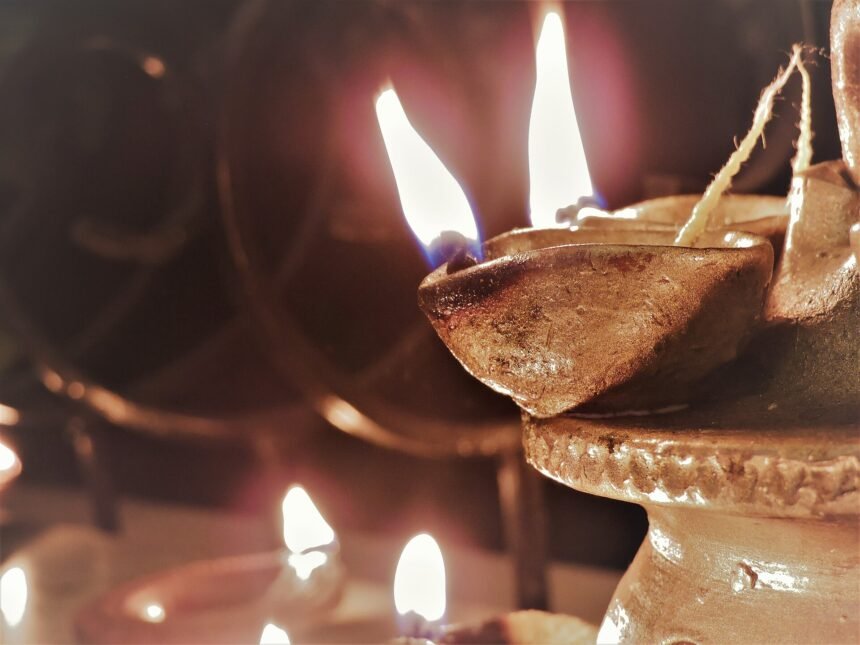
Utpanna Ekadashi 2026 will be observed on Friday, December 4. It is the Krishna Paksha Ekadashi of Margashirsha in the north Indian calendar, and for many devotees it carries a special place: according to tradition, this is the day Ekadashi herself was born. People who want to begin a lifelong practice of Ekadashi fasting often start from this one.
Utpanna Ekadashi 2026 date and parana time
For New Delhi:
- Utpanna Ekadashi: Friday, December 4, 2026
- Ekadashi tithi begins: 11:03 PM on December 3
- Ekadashi tithi ends: 11:44 PM on December 4
- Parana (breaking the fast): 06:59 AM to 09:04 AM on December 5
- Dwadashi ends: 12:51 AM on December 6
Parana should be done within the given window on Dwadashi. Breaking the fast after Dwadashi ends is considered improper in most traditions. Timings differ by city, so check a local panchang if you live far from Delhi.
The story of Utpanna Ekadashi
The Padma Purana tells of a demon named Mura who drove the gods out of heaven. Lord Vishnu fought him for a long time and then withdrew to rest in a cave at Badarikashram. When Mura came to attack the sleeping Vishnu, a radiant goddess emerged from Vishnu’s body and destroyed the demon. Pleased, Vishnu named her Ekadashi, because she appeared on the eleventh day of the lunar fortnight, and granted that anyone who fasted on her day would be freed of sins.
The name Utpanna means “born” or “arisen”, which is why this day is seen as the birthday of the Ekadashi vrat.
How to observe the fast
The day before
On Dashami, December 3, many devotees eat a single simple meal before sunset and avoid grains in the evening so the stomach is light for the fast.
On Ekadashi
- Bathe early and take a sankalp in front of an image of Vishnu.
- Offer yellow flowers, tulsi leaves, a ghee lamp, fruits and sweets.
- Read the Utpanna Ekadashi vrat katha and chant “Om Namo Bhagavate Vasudevaya”.
- Avoid rice, wheat, lentils and other grains. Many also avoid onion and garlic.
- Some devotees stay awake at night with bhajans, known as jagran.
On Dwadashi
Break the fast during the parana window on December 5, ideally after offering food to a Brahmin or someone in need. A light meal is easier on the stomach after a day of fasting.
Types of fast you can choose
Religious texts describe several levels of Ekadashi fasting, and you can choose one at the sankalp based on your health:
- Jalahar: only water.
- Ksheerbhoji: milk and milk products.
- Phalahari: fruits only.
- Naktabhoji: one non-grain meal, usually in the afternoon, using foods such as sabudana, singhara, kuttu, potato and sweet potato.
The intent behind the fast matters more than how strict it is.
Other Ekadashis coming up
The next Ekadashi after this is Mokshada Ekadashi on December 20, which also coincides with Gita Jayanti. Then comes Saphala Ekadashi on January 3, 2027.
Health note
Waterless fasting is not suitable for everyone. People with diabetes, kidney problems, low blood pressure, pregnant or breastfeeding women, older adults and anyone on regular medication should talk to a doctor before fasting and choose a milder form such as phalahari.
Dates based on Drik Panchang timings for New Delhi, India.
Featured image: Ara Basu, via Wikimedia Commons (CC BY-SA 4.0)




