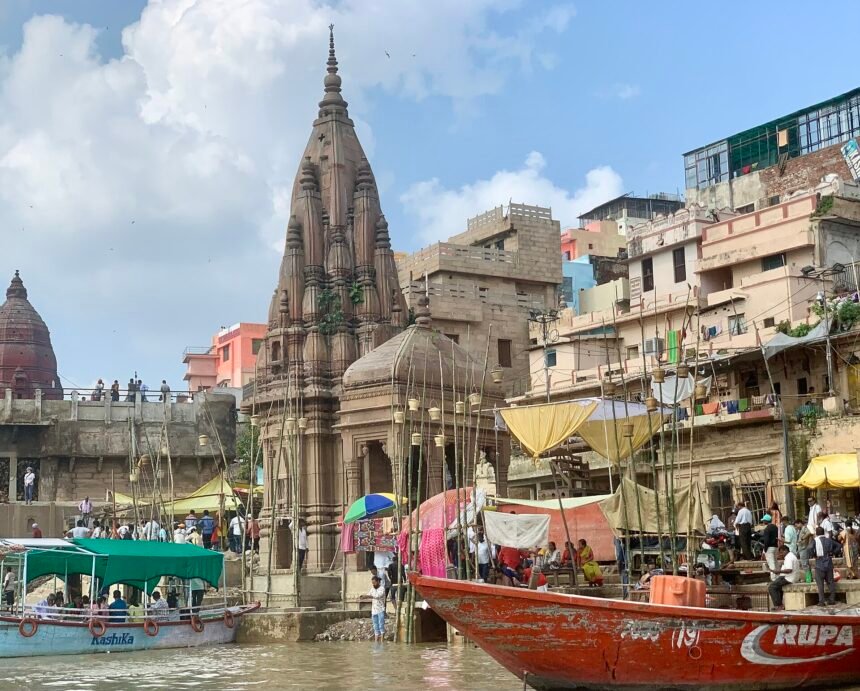
Vaikuntha Chaturdashi falls on Monday, 23 November 2026. It is one of the few days in the Hindu calendar when Vishnu and Shiva are worshipped together, and it comes a day before Kartik Purnima and Dev Deepawali.
The timings below are for New Delhi and are based on Drik Panchang, as cited by HinduTone. Times in your city will differ by a few minutes, so check a local panchang before you plan the puja.
Vaikuntha Chaturdashi 2026: date and muhurat
- Date: Monday, 23 November 2026
- Chaturdashi tithi begins: 2:36 AM, 23 November
- Chaturdashi tithi ends: 11:42 PM, 23 November
- Nishita kaal (for Vishnu puja): 11:41 PM on 23 November to 12:35 AM on 24 November, about 54 minutes
- Sunrise / sunset: 6:50 AM / 5:25 PM
Notice that the tithi ends just one minute after Nishita kaal begins. That overlap is short, which is why many families start the night puja a little before 11:41 PM.
Haindavam, which uses Ujjain as its reference city, gives the same Chaturdashi end time of 11:42 PM and a Nishita window of 11:47 PM to 12:39 AM. The small difference is because Ujjain lies west of Delhi.
In the USA, Canada and the UK, the day falls on Sunday, 22 November, according to HinduTone.
Why the day is special
Kartik Shukla Chaturdashi is called Vaikuntha Chaturdashi because, by tradition, the gates of Vaikuntha, Vishnu’s abode, are believed to open for devotees who worship sincerely on this day.
It also comes at the end of Chaturmas, the four months during which Vishnu is said to rest. Dev Uthani Ekadashi, when he is believed to wake, falls a few days earlier, on 20 November this year.
The story of the thousand lotuses
The best-known story is told in different ways. In the common version, Vishnu came to Kashi to worship Shiva and promised to offer him a thousand lotuses. When he counted, one was missing, because Shiva had hidden it to test him.
Vishnu, called Kamalnayan or “lotus-eyed”, decided to offer one of his own eyes in its place. Shiva stopped him, pleased with his devotion. In many tellings, Shiva then gave Vishnu the Sudarshana Chakra. HinduTone attributes this Shiva-centred version to the Shiva Purana, via Drik Panchang.
How the puja is usually done
Customs differ from family to family, but a simple home observance often looks like this:
- Morning: Worship Shiva with water, bel (bilva) leaves and flowers. Chant “Om Namah Shivaya”.
- Day: Read or listen to the Vishnu Sahasranama.
- Night, in Nishita kaal: Worship Vishnu with tulsi, lotus or other flowers, a ghee lamp and naivedya. Chant “Om Namo Bhagavate Vasudevaya”.
On this one day, some families reverse the usual offerings. They place tulsi before Shiva and bel leaves before Vishnu, as a sign that the two are one.
Fasting is optional. Some keep a fruit-and-milk fast, others eat one simple meal. If you are pregnant, elderly, diabetic or unwell, please speak to your doctor before fasting.
Manikarnika Snan in Varanasi
Drik Panchang lists Manikarnika Snan on this day. Devotees bathe at Manikarnika Ghat in Varanasi and many go on to Kashi Vishwanath temple. The next evening, Varanasi celebrates Dev Deepawali, when the ghats are lit with lakhs of diyas.
The Ganga is cold and fast in late November. If you plan a dip, use marked bathing ghats and avoid going in alone or too deep.
Hari-Har Milan in Ujjain
In Ujjain, the day is marked by the Hari-Har Milan. Lord Mahakal is taken in procession to the Gopal Mandir, where Shiva and Vishnu “exchange” garlands: bel for Vishnu, tulsi for Shiva. The belief is that after Chaturmas, Shiva hands the care of the world back to Vishnu.
The 2026 procession time and route have not been announced yet. Check the Mahakaleshwar temple’s official notices closer to the date.
Plan ahead
Vaikuntha Chaturdashi sits in a busy week: Dev Uthani Ekadashi on 20 November, this festival on 23 November, and Kartik Purnima on 24 November. If you plan to visit Varanasi or Ujjain, book travel and rooms early.
Information based on HinduTone (citing Drik Panchang) and Haindavam.
Featured image: Dudva, via Wikimedia Commons (CC0)