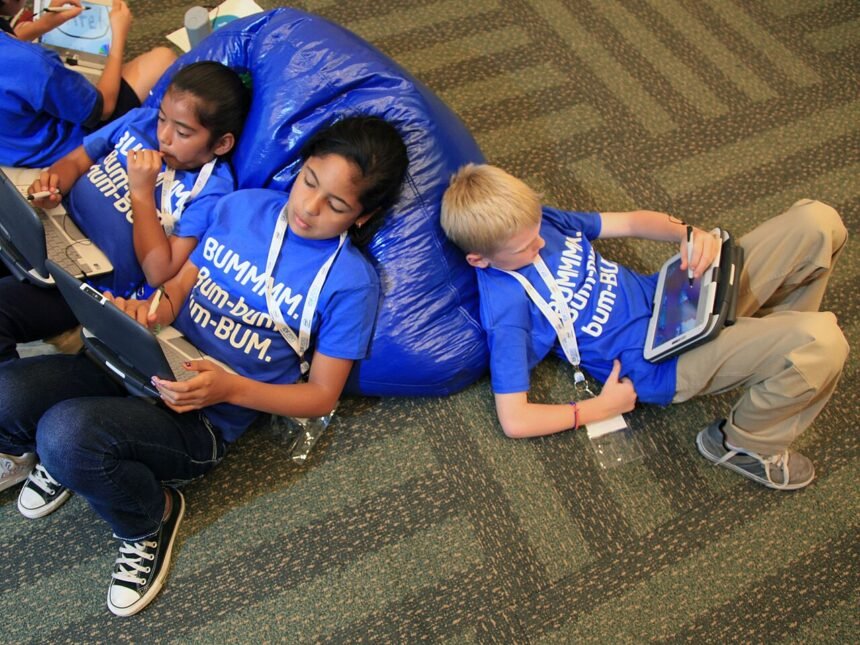
Phones, tablets and TVs are now part of childhood. The goal for most families is not to ban screens but to use them in a healthy way.
1. Set clear and consistent rules
Decide together when and where screens are allowed. Rules that stay the same each day cause fewer arguments.
2. Create screen-free zones
Keep meals and bedrooms free of devices. Better sleep and better conversation both follow.
3. Make content count
Time spent on learning apps, creative tools or video calls with family is different from endless scrolling. Check what your child is actually watching.
4. Offer other things to do
Children turn to screens when bored. Keep books, board games, art supplies and outdoor play easy to reach.
5. Set an example
Children copy what they see. If adults are on their phones all evening, limits feel unfair.
6. Talk instead of only punishing
Explain why limits exist. Older children respond better when they help set the rules.
Every child and family is different. If you notice sleep problems, mood changes or loss of interest in other activities, speak to your paediatrician.
Photo credit: Intel Free Press, CC BY-SA 2.0, via Wikimedia Commons.